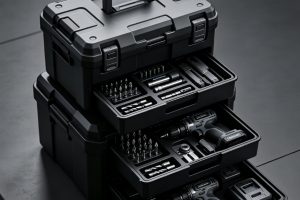
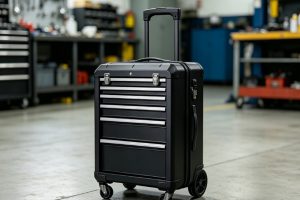
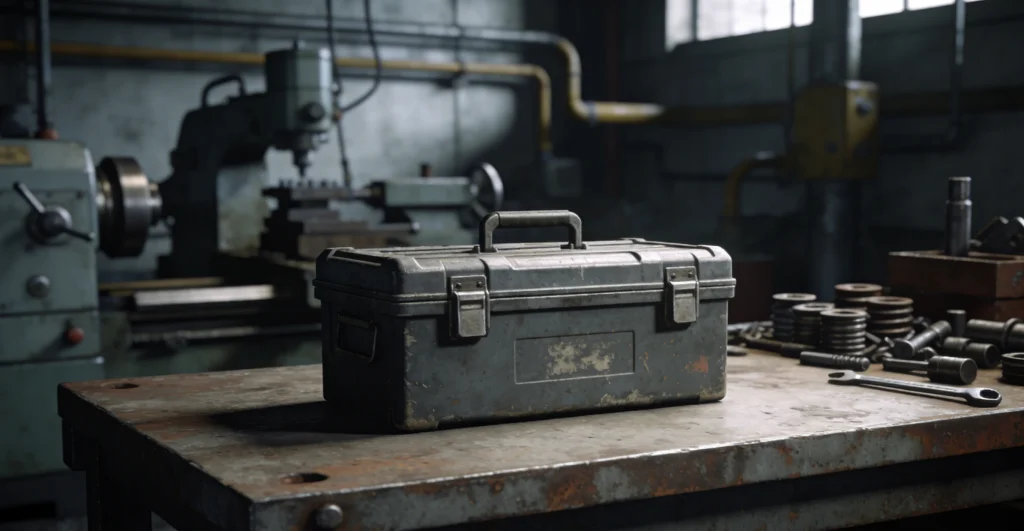
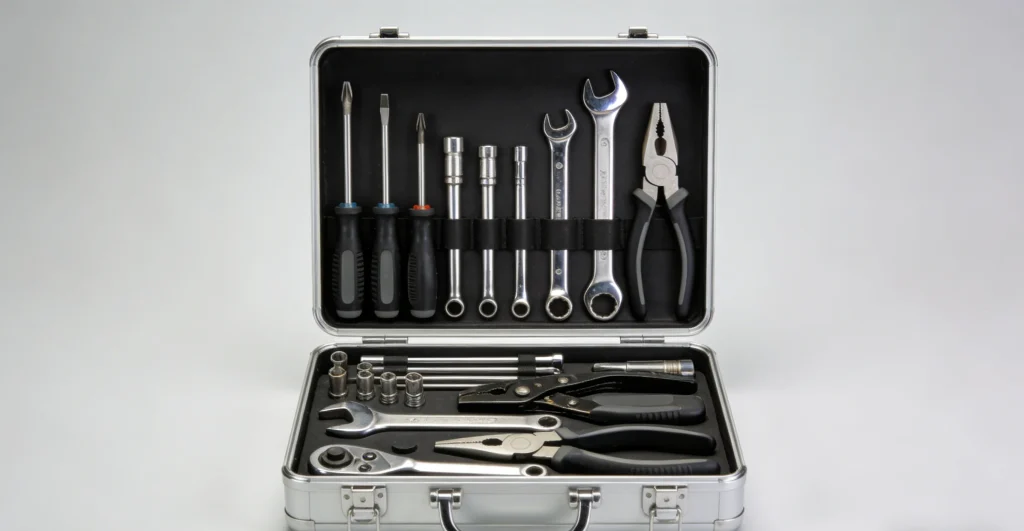
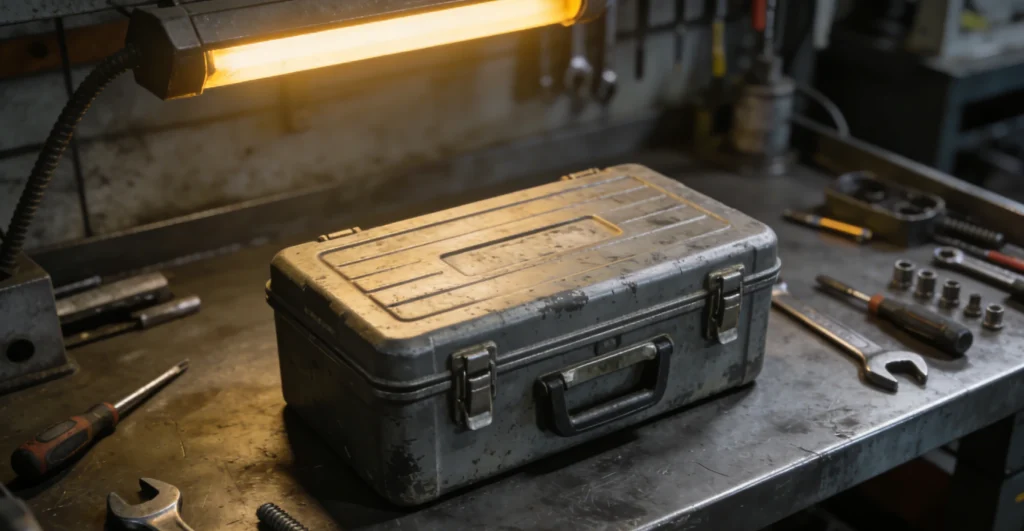
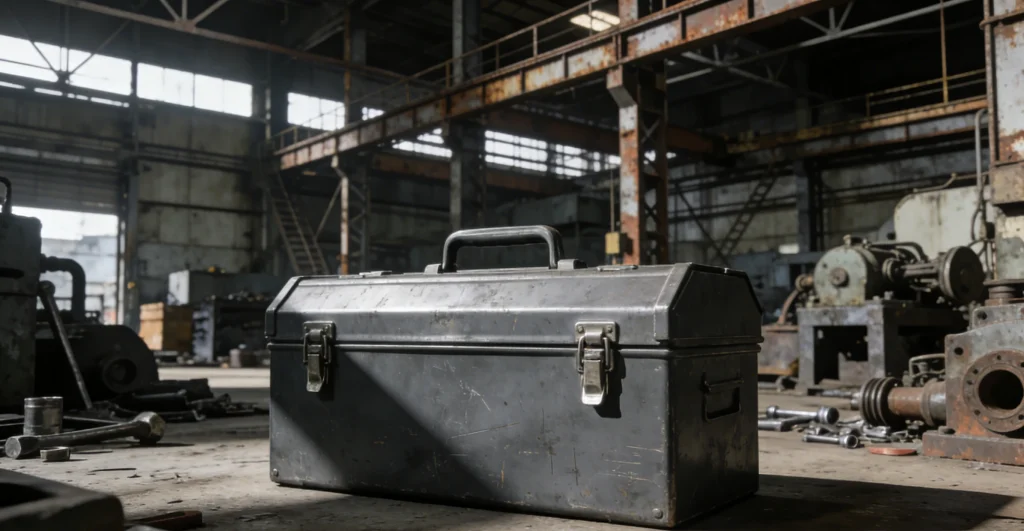
When the number of tools increases, storing everything in one large box can easily lead to small accessories being mixed together, large tools pressing against each other, and frequently used tools becoming difficult to access. Stackable tool boxes create a layered storage system through multiple independent boxes, allowing tools to be organized by type, size, weight, and frequency of use. By assigning a clear purpose to each layer, tools can remain well organized while different boxes can handle specific tasks. For repair, installation, engineering work, and home DIY applications, establishing a clear stackable storage system can improve overall tool management efficiency.
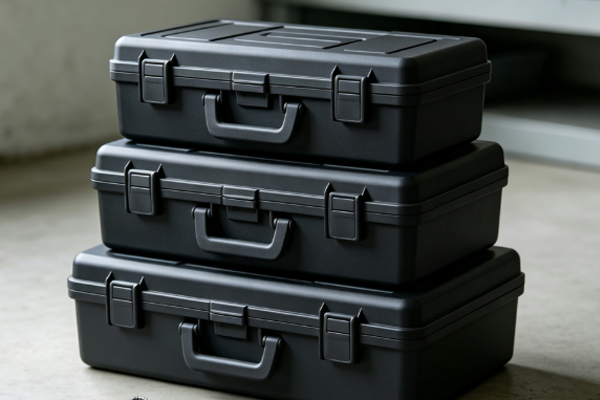
Create Different Storage Areas Based on Tool Types
The key to organized storage is not simply distributing tools evenly among different boxes, but establishing a clear storage system based on the characteristics of each tool.
Keep Hand Tools Organized by Category
Hand tools such as screwdrivers, wrenches, pliers, and hex keys are frequently used and can be managed as an independent category.
- Wrenches and sockets can be arranged by size so that tools with similar specifications remain in the same area.
- Screwdrivers and pliers can be grouped by length and purpose to reduce obstruction between different tools.
- Measuring tools such as tape measures and squares can be placed in a separate area to prevent damage caused by mixing them with metal tools.
Keeping frequently used hand tools together makes daily access more straightforward.
Small Accessories Need Separate Management
Screws, washers, nuts, drill bits, and connectors are small in size, making it especially important to separate them by specification and purpose.
- Use compartmentalized storage by size, keeping screws and nuts of different dimensions in separate sections to reduce specification confusion.
- Group items by purpose, with installation parts, connectors, and maintenance consumables placed in different areas for quick access according to the task.
- Use separate containers by placing small accessories in compartment boxes or transparent small containers before storing them inside the tool box to prevent loose parts from scattering.
- Add identification labels to the outside of compartments or small containers, indicating names, specifications, and other information to reduce the time needed to locate accessories.
After small accessories are carefully separated, the interior of the tool box becomes easier to keep organized and inventory replenishment becomes more convenient.
Arrange the Stacking Order According to Tool Size and Weight
After categorizing the tools, their weight and dimensions also need to be considered. The stacking structure should balance stability with accessibility rather than simply allocating boxes according to the number of tools.
Place Heavy Tools on the Lower Levels
Drills, impact wrenches, hammers, and larger repair tools are relatively heavy and are better suited to the bottom box.
- Large power tools should have sufficient height clearance to prevent them from pressing against the lid.
- Heavy hand tools such as wrenches and sockets can be concentrated in the lower section to keep the center of gravity low.
- Backup equipment that is heavy but used less frequently can also be placed at the bottom to reduce unnecessary handling.
Placing heavier items lower in the stack helps improve the stability of the overall combination.
Place Lightweight and Frequently Used Tools on the Upper Levels
Screwdrivers, tape measures, small testing tools, and frequently used consumables can be placed in the upper box. This makes frequently needed items easier to access while stacked and reduces the need to disassemble the entire storage system. The upper section can also be reserved for tools that are repeatedly used during the day’s work, allowing the access sequence to better match the actual workflow.
Divide Stackable Tool Boxes According to Usage Scenarios
When the number of tools is large, the boxes can also be assigned according to specific work tasks, allowing each tool box to correspond to a clearly defined application.
Store Repair Tools and Consumables Separately
Repair tools can be placed in one tool box, while consumables such as screws, tape, cable ties, and connectors can be stored in another box.
- Tool box: stores reusable tools such as wrenches, screwdrivers, pliers, and sockets.
- Accessory box: concentrates screws, washers, fittings, and small maintenance consumables.
- Testing box: measuring instruments such as multimeters can be equipped with custom inserts according to their dimensions to reduce impact during transportation.
Separating items with different functions makes tool management more closely aligned with actual work procedures.
Build Dedicated Combinations According to the Workflow
For multiple types of tasks, different boxes can correspond to specific positions or work stages, reducing the number of unrelated items stored together.
- Mechanical maintenance combination: concentrates wrenches, sockets, screwdrivers, and other tools for equipment assembly, disassembly, and maintenance.
- Electrical work combination: separately organizes multimeters, electrical testing tools, insulated tools, and related accessories to avoid mixing them with ordinary metal tools.
- Engineering installation combination: prepares fastening tools, measuring equipment, and commonly used consumables for convenient transportation.
- Temporary work combination: selects frequently used tools from different boxes to create a lightweight portable setup.
Organizing tool combinations according to actual workflows allows workers to prepare equipment more quickly while reducing the burden of carrying unnecessary items.
Improve Long-Term Management with Labels and Modular Structures
For stackable tool boxes to deliver lasting value, the classification system needs to remain consistent over time. Labels, transparent compartments, and adjustable internal structures can help users maintain an organized storage system.
Set Clear Identification Labels for Different Boxes
Labels can be assigned according to tool category, job role, or application scenario. Category labels can identify items such as “Hand Tools,” “Power Tools,” “Accessories,” and “Testing Equipment.” Scenario labels can distinguish tasks such as “Automotive Repair,” “Equipment Maintenance,” and “Installation Work.” Specification labels can further identify the sizes and models of small accessories such as screws, drill bits, and sockets. Clear identification makes it easier for multiple users to locate the appropriate tools.
Leave Room for Future Adjustments
As the number of tools increases, the original classification system may also need to be adjusted. Removable dividers, foam inserts, and adjustable compartments can help users reorganize the internal space.
- When the number of tools increases, additional boxes can be added according to the original classification system to prevent different tool types from becoming mixed together.
- When tool specifications change, dividers can be repositioned or inserts can be replaced to accommodate tools with different dimensions.
- When work tasks change, the boxes can be reorganized according to different job requirements while maintaining the existing storage system.
- For multiple application scenarios, box combinations can be adjusted for repair, testing, installation, and other tasks to improve management flexibility.
A storage structure with room for adjustment is better suited to working environments where tool quantities and job requirements continue to change.
For companies and professional users who need long-term tool management, the classification system should match actual work habits. Stackable structures allow tool boxes to be combined according to specific tasks while making future internal adjustments easier. SIPHIA BOX specializes in tool boxes, protective cases, aluminum cases, and customized storage solutions. Internal layouts can be planned according to tool dimensions, equipment characteristics, transportation methods, and application environments, providing flexible tool storage options for repair, engineering, inspection, and professional work scenarios.