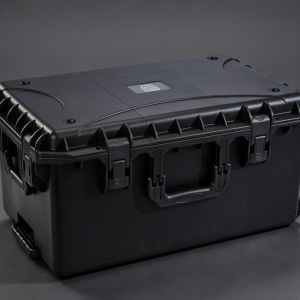
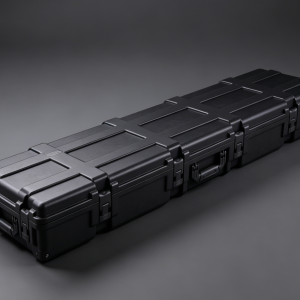
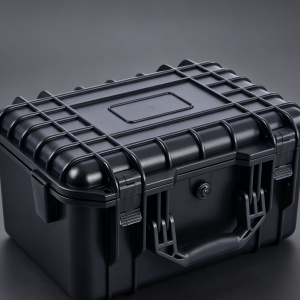
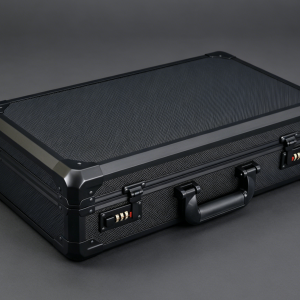
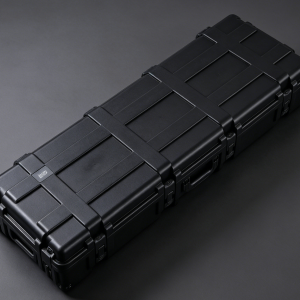
A plastic toolbox does more than protect tools. It also needs to solve common storage problems such as having many tools of different sizes, limited internal space, disorganized items, and difficulty finding the right tool quickly. A well-designed toolbox can make better use of its available space by organizing wrenches, screwdrivers, pliers, measuring tools, sockets, and small components in an orderly way. This allows users to locate the tools they need more quickly during repair and maintenance work. For technicians who frequently carry tools between different work locations, storage efficiency can have a direct impact on work productivity. Choosing a suitable plastic toolbox and using internal trays, dividers, drawers, fixed slots, and practical classification habits can reduce tool stacking and unnecessary movement while keeping the entire storage system organized and efficient.
How Can Proper Internal Space Division Improve Plastic Toolbox Capacity?
The way the internal space of a plastic toolbox is organized has a direct impact on its actual storage capacity. If all tools are simply placed together at the bottom of the box, they can easily become mixed up, while some available space may remain unused. Creating storage areas in different sizes allows long-handled tools, wrenches, screwdrivers, and small accessories to be stored separately, reducing wasted space. Tools with different heights can also be arranged using layered storage, creating a more efficient three-dimensional layout inside the toolbox. The lid, side walls, and internal trays can also serve as additional storage areas for small and frequently used tools. A well-planned internal layout gives each tool a relatively fixed position while making better use of the available capacity and simplifying daily organization.
How Can Tool Classification Make Access Faster?
Tool classification is a practical way to improve the storage efficiency of a plastic toolbox. Organizing tools according to type, size, frequency of use, and work requirements can reduce the time spent searching for equipment. The following storage methods can be used for everyday maintenance work:
- Hand tool classification: Store screwdrivers, pliers, wrenches, hammers, and other common hand tools in separate areas to prevent different types and sizes from becoming mixed together.
- Measuring tool classification: Keep measuring tapes, calipers, spirit levels, and similar equipment together to reduce unnecessary contact with heavier metal tools.
- Small component classification: Screws, nuts, washers, connectors, and other small parts can be placed in separate compartments or small containers to prevent them from scattering throughout the toolbox.
- Priority storage for frequently used tools: Tools that are used regularly can be placed in an upper tray or another easily accessible location, while less frequently used equipment can be stored at the bottom.
- Organized storage for tool sets: Socket sets, screwdriver bits, and hex keys can be arranged in size order so users can quickly identify the required specification and notice if a tool is missing.
Once a consistent classification system is established, the toolbox develops a clear storage logic. Even when the number of tools increases, the internal space is less likely to become disorganized.
How Do Internal Trays and Dividers Improve Storage Efficiency?
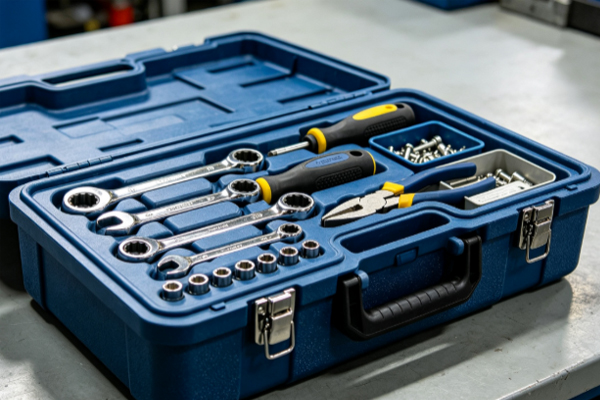
Internal trays and dividers are important structural features for improving the space utilization of a plastic toolbox. A tray can separate frequently used tools from larger equipment stored at the bottom, creating independent storage levels inside the box. When the lid is opened, users can immediately see the tools stored in the upper tray without having to move the items underneath. Adjustable dividers can also be repositioned according to tool sizes, making the internal space more flexible. For example, long wrenches can be stored in elongated compartments, screwdrivers can be secured in vertical slots, while small connectors and components can be placed in individual sections. Professional technicians who carry many tools can choose plastic toolboxes with multiple trays or drawers, allowing different tools to be arranged according to their work procedures. This design reduces pressure between tools and can also reduce unnecessary movement and collisions during transportation.
How Can Toolbox Layout Be Optimized According to Tool Usage Frequency?
Tool storage is not simply about placing everything inside a box. The internal arrangement should also match the actual workflow. Frequently used tools should be placed in areas that are easy to see and access, such as upper trays, lid compartments, or locations near the toolbox opening. Large tools that are used less frequently can be stored at the bottom so they do not occupy the most accessible storage areas. Tools that are commonly used for the same task can also be stored together. For example, sockets, ratchet wrenches, and extension bars used for automotive maintenance can be grouped together, while screwdrivers, wire strippers, crimping tools, and measuring equipment for electrical or plumbing work can be arranged according to the work sequence. With this approach, users can quickly locate the required equipment after opening the toolbox, reducing repeated searching and reorganization. As work requirements change, the internal layout can also be adjusted regularly by moving frequently used tools into more accessible positions, helping the plastic toolbox maintain high storage efficiency.
How Can Choosing the Right Plastic Toolbox Improve Overall Storage Capacity?
In addition to internal classification and layout, the size, opening design, load-bearing capacity, and structural configuration of the toolbox also affect storage performance. When only a small number of tools need to be carried, a compact plastic toolbox can be a practical choice because it avoids unnecessary bulk and remains easy to transport. When there are many different types of tools, a toolbox with trays, drawers, or multiple storage levels can provide dedicated locations for different equipment. For technicians who frequently move between work locations, toolbox weight and handle comfort are also important because a lightweight design can reduce carrying fatigue during extended use. The bottom of the toolbox should provide sufficient support for heavier tools such as wrenches and sockets. A properly designed lid can help prevent items from falling out, while a reliable locking mechanism can keep the toolbox securely closed during transportation. Before purchasing, users can also measure the dimensions of their tools and compare them with the internal storage space to avoid situations where the toolbox appears large enough but cannot accommodate longer or wider equipment. Matching the toolbox size to the actual number and dimensions of tools, combined with effective classification and internal organization, allows users to achieve greater storage efficiency within limited space while improving tool protection and everyday accessibility.