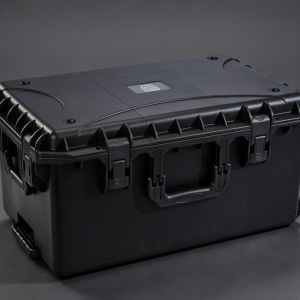
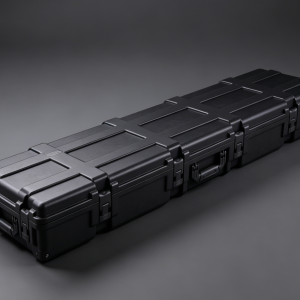
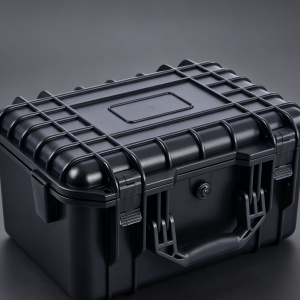
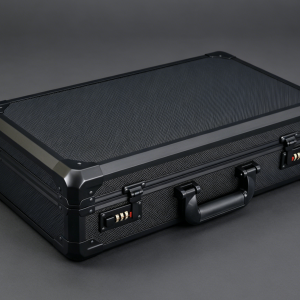
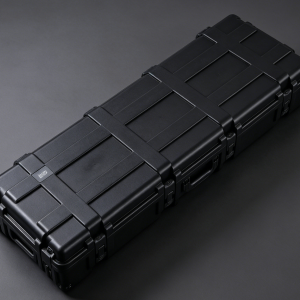
A plastic toolbox is widely used for home maintenance, automotive repair, electrical work, outdoor operations, and industrial maintenance because it is lightweight, durable, and convenient to carry. However, different plastic materials provide different levels of impact resistance, moisture resistance, chemical resistance, temperature resistance, and structural strength. Choosing the right material can directly affect the protection of tools, carrying comfort, storage performance, and service life of the toolbox. When selecting a plastic toolbox, users should consider the working environment, tool weight, transportation frequency, storage requirements, and expected service life. Understanding the characteristics of common plastic materials makes it easier to select a toolbox that matches actual working needs.
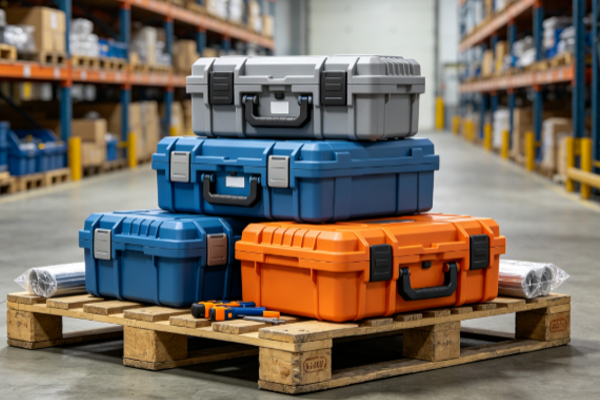
What Usage Conditions Should Be Considered When Choosing Plastic Toolbox Materials?
Choosing the right material is an important step when purchasing a plastic toolbox. Different working environments place different demands on toolbox materials. For home repairs, a lightweight and easy-to-carry toolbox may be sufficient, while automotive maintenance or industrial repair work requires stronger impact resistance and load-bearing performance. Users should consider the weight of the tools, frequency of transportation, working environment, exposure to moisture or chemicals, temperature changes, and expected service life. If the toolbox will frequently be moved between different locations, a lightweight material with good structural strength can reduce carrying fatigue. For outdoor work, moisture resistance, weather resistance, and resistance to temperature changes are particularly important. For workshops and industrial environments, stronger materials with better impact resistance can provide more reliable protection for tools.
What Are the Characteristics of Common Plastic Toolbox Materials?
Plastic toolboxes are commonly made from materials such as PP, ABS, HDPE, and engineering plastics. Each material has different characteristics, so the selection should be based on the actual working requirements.
- PP material: Polypropylene is lightweight, relatively tough, moisture-resistant, and suitable for everyday tool storage. It is commonly used for household maintenance, electrical repairs, and portable toolboxes.
- ABS material: ABS offers good impact resistance, rigidity, and surface quality. It can provide stronger protection for tools and is suitable for automotive maintenance, electrical equipment repair, and professional applications.
- HDPE material: High-density polyethylene has good chemical resistance, moisture resistance, and impact resistance. It can perform well in outdoor environments, workshops, construction sites, and other demanding conditions.
- Engineering plastics: Engineering plastics can provide higher strength, temperature resistance, wear resistance, and dimensional stability. They are more suitable for professional or industrial applications where the toolbox needs to withstand heavier loads and more frequent use.
Selecting the appropriate plastic material can make the toolbox better suited to its intended working environment while improving durability and protection.
How Does Toolbox Material Affect Durability and User Experience?
The material of a plastic toolbox directly affects its durability, weight, protection capability, and carrying experience. A lightweight material makes the toolbox easier to transport, which is useful for mobile maintenance personnel who frequently move between work locations. A material with high impact resistance can reduce the risk of cracks or deformation when the toolbox is accidentally dropped or exposed to external impacts. Moisture-resistant materials can help protect tools from humid environments, while chemically resistant materials can provide better protection when the toolbox is used near oils, cleaning agents, or other substances. Material rigidity also affects the stability of the lid, corners, handles, and other structural components. A well-selected material can balance strength and weight, allowing the toolbox to remain sturdy without becoming unnecessarily heavy. For users who frequently carry tools, open and close the toolbox, or work in complex environments, these material characteristics can have a noticeable effect on daily usability.
How to Choose Plastic Toolbox Materials for Different Applications?
Different application scenarios have different requirements for toolbox materials. Matching the material to the working environment can improve tool protection and extend the service life of the toolbox.
- Home repair: PP or ABS toolboxes are suitable for storing screwdrivers, pliers, wrenches, measuring tools, and other common household tools. Lightweight construction makes them convenient for daily use.
- Automotive maintenance: ABS or stronger engineering plastics can provide better impact resistance and structural stability for wrenches, sockets, diagnostic tools, and other automotive equipment.
- Electrical maintenance: A toolbox with good insulation-related characteristics, moisture resistance, and structural protection can help keep electrical tools organized and protected during repair work.
- Outdoor work: HDPE or other weather-resistant materials are suitable for environments exposed to moisture, dust, temperature changes, and frequent transportation.
- Industrial maintenance: Engineering plastics or high-strength plastic materials can be considered when the toolbox needs to carry heavier tools and withstand frequent handling, impacts, and demanding working conditions.
Selecting the right material according to the actual application can improve both tool storage efficiency and long-term toolbox performance.
What Else Should Be Considered Besides Plastic Toolbox Material?
Material is important, but the overall structure of a plastic toolbox also has a major influence on its practical performance. Users should pay attention to the strength of the handle, hinge structure, locking mechanism, lid design, bottom support, internal compartments, and storage layout. A toolbox made from a strong material may still have limited durability if the handle or hinges are poorly designed. Internal trays and compartments can prevent tools from moving around during transportation, while reinforced corners can improve impact protection. A well-designed sealing structure can also reduce the entry of dust and moisture, providing better protection for tools. When selecting a plastic toolbox, it is better to consider material, structure, tool capacity, carrying frequency, and working environment together. A suitable combination can provide a better balance between durability, portability, protection, and storage efficiency.