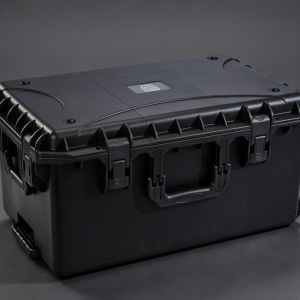
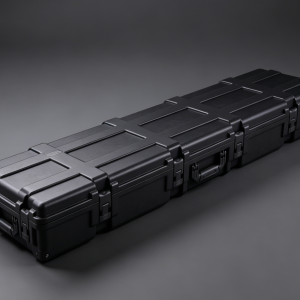
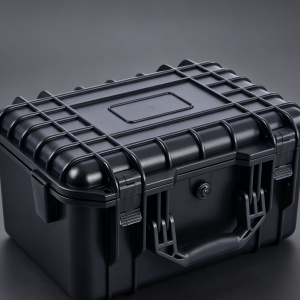
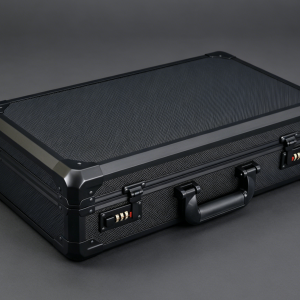
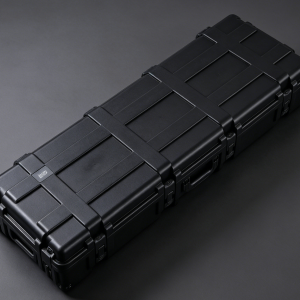
Equipment maintenance is essential in factories, engineering sites, warehouses, logistics facilities, property management, and many other working environments. Maintenance technicians often need to use wrenches, screwdrivers, sockets, pliers, measuring instruments, fasteners, and various small components. Maintenance work frequently involves moving between different locations, handling numerous tools, and working in complicated environments. Without an organized storage solution, tools can easily become difficult to locate, mixed together, or inconvenient to transport.
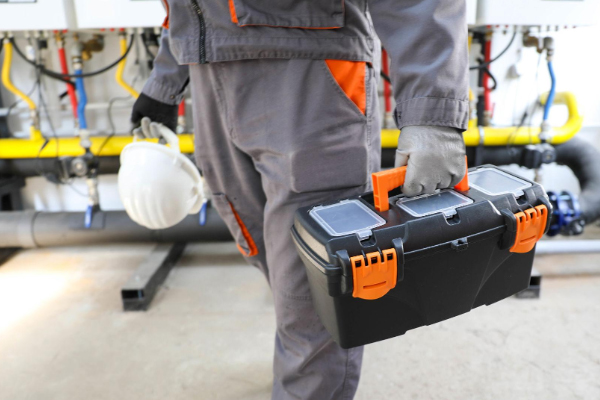
Plastic toolboxes provide a practical solution by keeping commonly used maintenance tools in one organized storage unit. Their internal compartments and portable structures make them suitable for equipment inspection, troubleshooting, component replacement, and routine servicing. Compared with traditional metal toolboxes, plastic toolboxes are generally lightweight, easy to clean, and resistant to surface rust, making them suitable for maintenance personnel who need to carry tools between different work areas.
What Equipment Maintenance Tasks Are Plastic Toolboxes Suitable For?
Equipment maintenance covers a wide range of applications, from production machinery and electrical equipment to warehouse systems and engineering facilities. Plastic toolboxes can be selected in different sizes according to the number and type of tools required, while trays, dividers, and small compartments can be used to organize different items.
For mechanical equipment in production workshops, a toolbox can hold adjustable wrenches, hex keys, sockets, screwdrivers, snap-ring pliers, and other commonly used tools. For electrical cabinets and control equipment, it can accommodate insulated screwdrivers, wire strippers, crimping tools, and accessories for electrical testing instruments.
For equipment such as air compressors, water pumps, fans, and conveyor systems, which often require tightening, adjustment, inspection, or component replacement, plastic toolboxes can serve as centralized storage for mobile maintenance tools. Different maintenance teams can prepare dedicated tool configurations according to their work requirements, allowing technicians to take the appropriate tools directly to the equipment and reduce time spent searching for individual items.
How Are Plastic Toolboxes Used in Routine Equipment Maintenance?
Equipment maintenance usually includes daily inspections, scheduled servicing, component adjustments, and troubleshooting. A toolbox can be prepared according to the maintenance schedule so that the required tools are available before the work begins. Proper organization keeps tools in fixed locations and also makes it easier to check whether all equipment has been returned after maintenance.
Common applications include:
- Daily inspection tool storage: Screwdrivers, wrenches, pliers, hex keys, and other frequently used tools can be stored together for checking fasteners and making basic adjustments.
- Mechanical component replacement: When replacing bearings, belts, gears, connectors, or other components, technicians can carry sockets, wrenches, puller accessories, and related maintenance tools.
- Electrical equipment maintenance: Plastic toolboxes can store electrical screwdrivers, wire cutters, wire strippers, crimping tools, and insulated tools for maintenance personnel working on different pieces of equipment.
- Small spare-part organization: Bolts, nuts, washers, fuses, terminals, and other small components can be separated into individual compartments to reduce mixing.
- Mobile maintenance work: For technicians working in different sections of a factory, warehouse, equipment room, or construction site, a plastic toolbox with a reinforced handle can be transported directly to the equipment.
Combining toolbox organization with an equipment maintenance schedule allows technicians to prepare commonly required tools and components in advance. Once they reach the maintenance location, they can begin working immediately without repeatedly returning to retrieve missing tools.
How Does Plastic Toolbox Design Meet Maintenance Requirements?
Maintenance tools vary considerably in shape and size. Without proper organization, tools stored in a conventional container can easily become stacked together, while small components may become mixed with larger equipment. Plastic toolboxes can provide multiple storage areas through upper trays, lower compartments, and individual sections.
Screwdrivers, pliers, and small wrenches can be placed in an upper tray for quick access. Larger sockets, maintenance accessories, and backup tools can be stored in the main lower compartment. For maintenance departments handling large quantities of fasteners, toolboxes with individual compartments can separate different sizes of nuts, bolts, and washers.
The opening and closing mechanism also affects convenience during maintenance work. Strong latches can reduce the possibility of the lid opening accidentally during transportation, while reinforced handles make carrying easier. For maintenance tasks involving longer distances, wheeled toolboxes can reduce transportation effort.
Larger toolboxes are suitable for storing a greater number of tools, while compact models are more convenient for routine inspections and quick repairs. Through different combinations of sizes, trays, and dividers, plastic toolboxes can support mechanical repair, electrical maintenance, equipment installation, and engineering servicing tasks.
How Can Plastic Toolboxes Protect Maintenance Tools?
Equipment maintenance environments may contain metal dust, oil, moisture, dirt, and other contaminants. Tools that remain exposed to these conditions for long periods can become dirty or damaged. Plastic toolboxes keep maintenance tools in an enclosed storage space, reducing direct exposure to the surrounding environment. Toolboxes with secure closing structures can also reduce the entry of dust and debris, which is useful when storing precision tools and small components.
Plastic materials generally do not develop surface rust in the same way as conventional steel boxes. This makes plastic toolboxes convenient for use in workshops, warehouses, maintenance stations, and other working environments. When the toolbox becomes contaminated with oil or dirt, it can generally be wiped and cleaned according to the properties of the specific plastic material.
For maintenance positions that require frequent transportation, the relatively low weight of plastic toolboxes can also reduce the carrying burden. When selecting a product, users should consider the wall thickness, material performance, hinge construction, latch strength, and bottom load capacity.
If the toolbox will hold heavy sockets, wrenches, and maintenance equipment, a model with stronger load-bearing performance should be selected. For precision maintenance tools, models with soft dividers or individual storage compartments can help reduce the possibility of tools colliding with each other.
How to Choose a Plastic Toolbox for Equipment Maintenance
The toolbox used for equipment maintenance should match the actual tool configuration. Before purchasing, maintenance teams can determine the quantity, dimensions, and weight of commonly used tools before selecting the appropriate toolbox capacity.
For daily inspection personnel, small or medium-sized plastic toolboxes are usually easier to carry. For mechanical maintenance teams, larger models can provide enough space for professional tools. If the toolbox will remain on a maintenance vehicle, beside equipment, or on a mobile workbench, the available installation space and mounting method should also be considered.
| Selection Item | Equipment Maintenance Requirement | Recommended Design |
| Toolbox Capacity | Different quantities of tools | Small, medium, or large capacity |
| Internal Storage | Tools have different sizes | Trays, dividers, and individual compartments |
| Material Performance | Frequent workshop use | Impact-resistant plastic, PP, etc. |
| Carrying Method | Movement between work areas | Reinforced handle or wheels |
| Closing Structure | Prevent tools from falling out | Secure latches |
| Protective Design | Dust, oil, and moisture environments | Enclosed lid and sealing structure |
| Load Capacity | Storage of heavy maintenance tools | Reinforced bottom and body structure |
During the purchasing process, users should also consider usage frequency and the actual working environment. For frequent mobile use, lightweight construction, comfortable handles, and convenient opening mechanisms are important. For toolboxes installed on maintenance vehicles, mounting stability and body durability deserve greater attention. Maintenance departments that store large quantities of spare parts can choose models with multiple compartments and multi-level trays.
A suitable plastic toolbox can help maintenance personnel establish an organized tool storage system, making tools easier to access, transport, and return after use. This organized approach can improve convenience during routine inspections, equipment servicing, and troubleshooting while supporting more efficient maintenance operations.