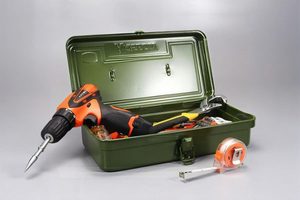
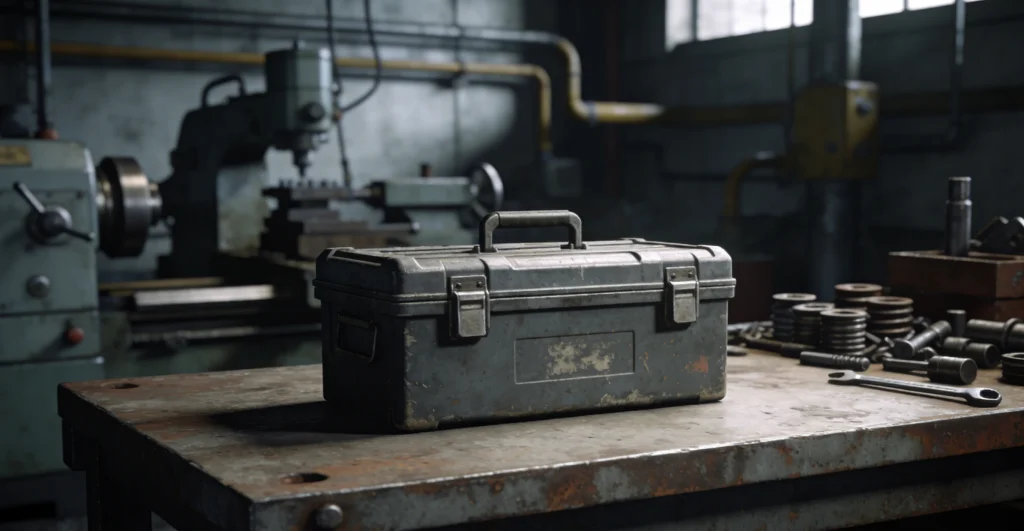
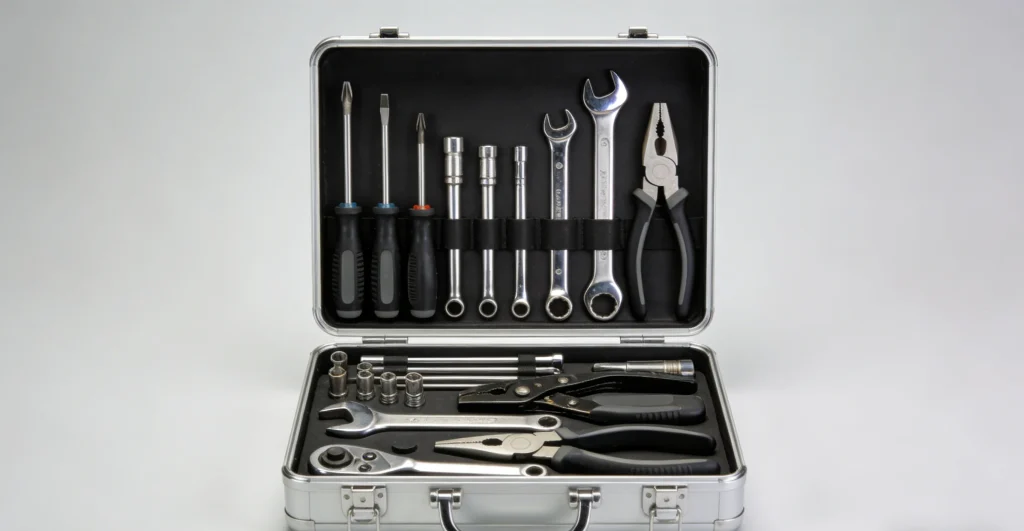
Lorry tool boxes are mainly used to store wrenches, screwdrivers, sockets, jacks, towing tools, and vehicle repair parts. They can be installed on the side of the chassis, underneath the cargo box, behind the cab, and in other locations. After long-term vehicle use, the tool box may need to be removed due to vehicle maintenance, vehicle replacement, storage space adjustments, or tool box replacement. Tool boxes that are usually secured with bolts can be removed using common tools such as wrenches and sockets. If welding, special fasteners, or complex brackets were used during installation, the removal process will be more difficult. Aluminum alloy lorry tool boxes are usually relatively lightweight, making them easier to move manually, but their weight can increase significantly when the box is filled with tools. It is best to remove all items inside before disassembly. For users who need to operate their vehicles for a long time, choosing a tool box with a clear structure and a reasonable fixing method not only facilitates installation but also makes later maintenance and replacement easier.

Is It Easy to Remove a Lorry Tool Box?
It Mainly Depends on the Installation and Fixing Method
Lorry tool boxes are usually not welded directly onto the vehicle. Instead, they are secured using mounting brackets, bolts, nuts, and other components. This installation method provides a certain degree of flexibility. When the vehicle chassis needs maintenance, the tool box position needs to be adjusted, or the box needs to be replaced, the fixing bolts can be removed first, after which the box can be taken off. If the tool box is secured with multiple brackets, the fasteners need to be loosened one by one according to their installation positions. When the box is small, one person may be able to move it. For large tool boxes or boxes that still contain heavy tools, two people should work together to prevent the box from suddenly falling. If future maintenance was considered during installation, sufficient operating space is usually reserved. This makes it less likely for wrenches or sockets to be obstructed by the chassis, cargo box floor, or other vehicle components when removing the bolts.
Which Designs Affect Disassembly Efficiency?
The difficulty of removing a lorry tool box does not depend only on the box itself. The fixing structure and installation position are also important. Even a tool box with a suitable size may take a long time to remove if the fixing bolts are hidden in a narrow location.
Bolted fixing structure: Tool boxes connected with bolts are usually relatively easy to install and remove. Suitable wrenches or sockets can be used to remove the fasteners, and the box can also be reinstalled more easily later.
Number and structure of brackets: The more brackets there are, the more fixing points usually need to be handled during removal. If the bracket structure is simple and the connection points are clearly positioned, the operation will be easier.
Installation position: When the tool box is installed on the side of the chassis or underneath the cargo box, sufficient hand and tool operating space needs to be considered. If the fixing position is too far inward, the chassis and other components may interfere with bolt removal.
Box weight: When the tool box itself is relatively lightweight, it is easier to move after the fasteners have been removed. If the box is large or contains many tools, it should be emptied before removal. Two people may be needed for the operation.
How Should a Lorry Tool Box Be Removed?
Empty the Tool Box Before Removal
Before formal disassembly, all wrenches, sockets, jacks, screwdrivers, and other repair supplies should be removed. This reduces the weight of the box and prevents tools from falling during removal. If there are small screws, nuts, or other parts inside the tool box, they should also be organized in advance.
Check the Fixing Points Before Starting
After determining which brackets and bolts are used to secure the tool box, select the appropriate wrench or socket. Do not directly apply force to parts whose purpose is unclear, as this may affect other vehicle components. For lorries that have been used for a long time, fixing bolts may have accumulated dust, rust, or dirt. The area can be cleaned first, followed by a check to determine whether the nuts can be loosened normally.
Inspect the Box and Brackets After Removal
After the tool box has been removed, the bottom, frame, hinges, locks, and mounting brackets can be inspected. If the original tool box will continue to be used, check for deformation, cracks, corrosion, or damaged mounting holes. If a new tool box will be installed, the reserved space on the vehicle can also be checked again based on the installation dimensions of the original tool box.
Frequently Asked Questions
Q: Can I remove a lorry tool box myself?
A: If the tool box is secured with standard bolts and brackets and there is sufficient operating space, it can usually be removed using common tools such as wrenches and sockets. However, for large tool boxes or boxes installed at a high or low position, two people are recommended to work together to prevent the box from falling.
Q: Does removing a tool box require professional equipment?
A: A tool box secured with standard bolts generally does not require complex equipment. Common wrenches, sockets, screwdrivers, and similar tools are usually sufficient for basic removal. If the fasteners are severely rusted, the structure is deformed, or a special connection method is used, additional tools may be required.
Q: Is an aluminum lorry tool box easier to remove?
A: Aluminum alloy tool boxes are usually relatively lightweight. When the fixing method is the same, they are convenient to carry and move. However, the actual difficulty of removal still depends on the bolts, brackets, and vehicle installation position, rather than being determined by the material alone.
Q: Can the original bolts be reused after removing the tool box?
A: The bolts should be checked for rust, deformation, thread damage, and other issues. If the fasteners are in good condition, they can be reused according to the actual situation. If there is obvious damage, it is recommended to replace them with new fasteners of the appropriate specifications.
Examples of Disassembly Under Different Installation Conditions
Example One: Standard Aluminum Alloy Tool Box
An aluminum alloy tool box is installed on the chassis side of a light truck, with the box secured using mounting brackets and bolts. Later, the vehicle needs chassis maintenance, so the tool box needs to be temporarily removed. The workers first remove all tools from the box and then use a socket to loosen the fixing bolts on the brackets one by one. Since sufficient space is available around the installation position, two people can move the tool box away after the fasteners are removed. This type of installation method also makes later reinstallation relatively convenient.
Example Two: Rusted Bolts After Long-Term Use
A lorry used for outdoor transportation for a long period has a tool box whose fixing bolts have become rusty. During removal, the nuts cannot be loosened normally. The rusted areas need to be cleaned and treated first. If the fasteners are already severely damaged, they need to be replaced with new bolts.
If a lorry tool box needs to be used for a long time, both fixing stability and convenience for future maintenance should be considered during installation. Using an appropriate bolted fixing method can keep the box stable while the vehicle is moving, while also making later removal, replacement, and maintenance easier. The mounting brackets need to match the size of the box and the vehicle structure. The fixing points should not be too concentrated or placed where commonly used tools are difficult to reach. During use, the bolts, nuts, and brackets can be checked regularly for looseness, rust, or deformation. The tool box doors, hinges, and locks should also be kept in normal working condition. Emptying the box before removal can significantly reduce the weight during handling. When dealing with a large box, having two people perform the operation can reduce the risk of the box falling or colliding with the vehicle.
Based on actual use conditions, lorry tool boxes secured with brackets and bolts generally provide good disassembly convenience. When purchasing a tool box, users can check the fixing structure, mounting holes, and bracket design in advance, and confirm whether the reserved vehicle space allows easy access with wrenches and sockets. For vehicles that require frequent adjustment, replacement, or maintenance of the tool box, a simple and clear fixing structure is more practical. A suitable installation method can keep the tool box stable while also making later removal, inspection, and reinstallation smoother. When choosing a lorry tool box, considering the box material, capacity, load-bearing capacity, protective performance, and installation method together can reduce difficulties during later maintenance.