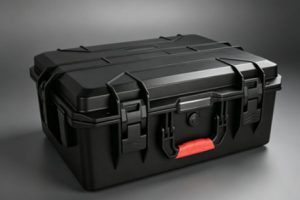
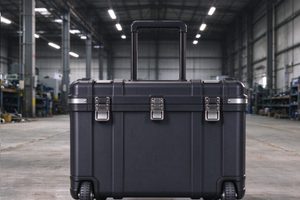
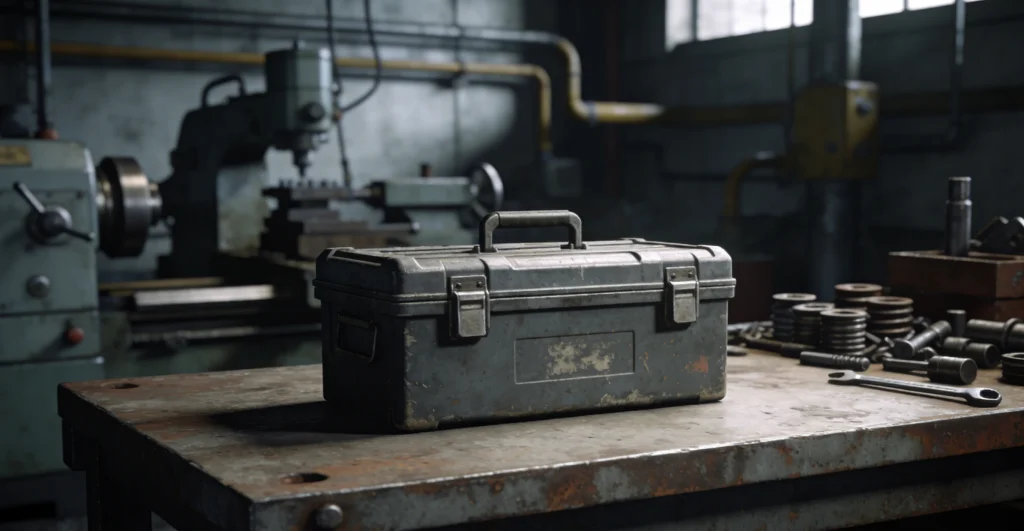
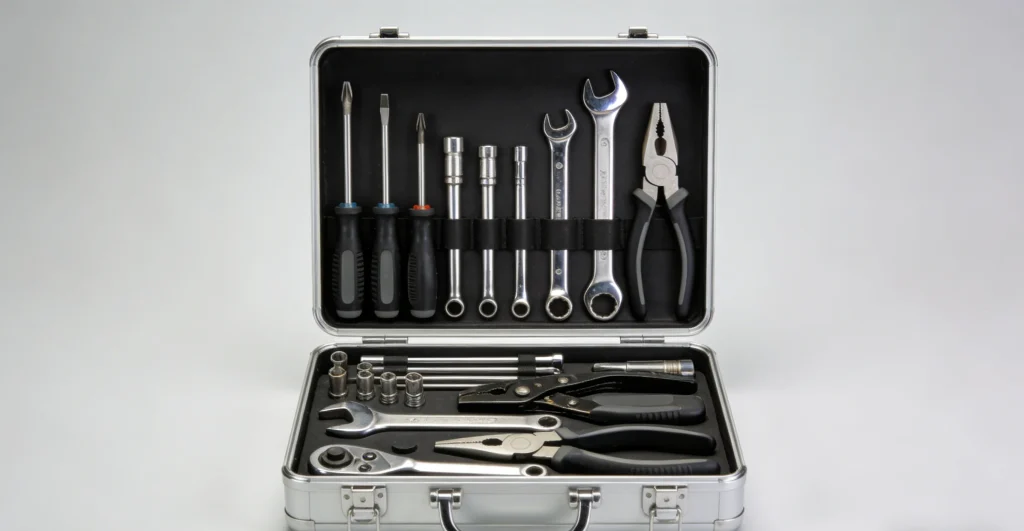
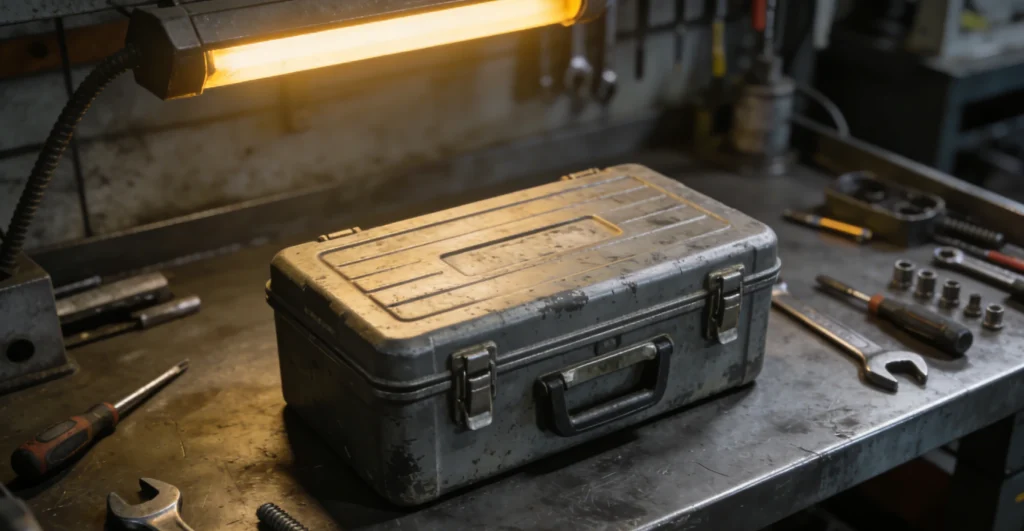
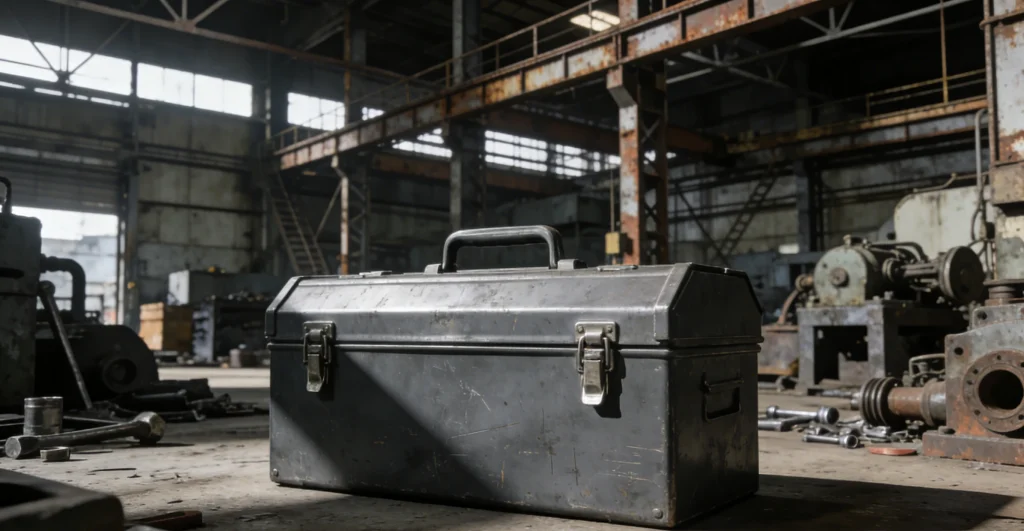
Portable tool boxes are mainly used to store wrenches, screwdrivers, pliers, sockets, tape measures, and various small repair accessories in one place. When there are many types of tools with significant differences in size, placing them all directly in the same storage space can easily cause them to collide during transportation. Especially when the tool box is frequently moved, carried, or transported, metal tools may continuously rub against each other, causing surface scratches, edge damage, or even affecting the operating condition of precision tools. Tools pressing against each other can also make the interior of the box disorganized. After opening the lid, users may need to search for the required tools again, reducing access efficiency. Therefore, preventing tool collisions is not only about keeping the tools looking neat, but also relates to storage organization and long-term use.
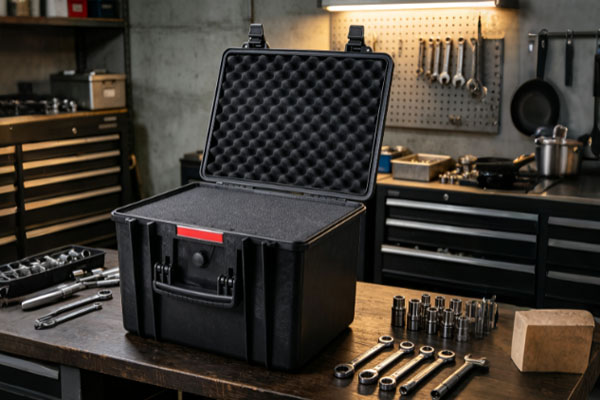
A portable tool box itself provides a certain degree of storage, but relying only on the box’s internal space cannot completely solve the problem of tool collisions. Properly dividing storage areas, using compartments or tool trays, arranging tools according to their weight, and controlling unused space inside the box can all reduce changes in tool position during movement. Larger and heavier metal tools such as wrenches and sockets can be placed in separate areas, while small parts such as screws, nuts, and screwdriver bits can be stored in covered compartments. Tools requiring a higher level of precision can also be separated with soft protective materials. Choosing a suitable tool box structure together with proper storage methods can keep tools relatively stable and reduce unnecessary collisions and wear.
Why Are Tools in Portable Tool Boxes Prone to Collisions?
Different Tool Sizes Can Cause Tools to Press Against Each Other
There are usually many tool specifications used in household and repair situations. For example, an adjustable wrench is significantly heavier than a screwdriver, sockets have relatively hard metal edges, while small screwdriver bits and nuts are much smaller. If these tools are all piled together, heavier tools can easily move on top of other tools when the tool box is carried. Long-term storage in this way can make the tools inside increasingly disorganized and may also cause surface wear. For tools with finely machined surfaces, frequent collisions may also affect their performance.
Carrying Can Increase Tool Movement
A key feature of a portable tool box is that it needs to be moved frequently. When the tool box is lifted, put down, or placed inside a vehicle, the box may shake to some extent. If there are no compartments inside, the tools will move with the box and continuously collide within the limited space. Therefore, the internal structure of the tool box is very important. Designs with fixed slots, trays, dividers, or separate storage compartments can reduce the range of tool movement and keep different tools in relatively stable positions.
How Can Tool Collisions Be Reduced?
The storage method used inside a portable tool box directly affects the stability of tools during transportation. During daily organization, tools can be classified according to their shape, weight, and frequency of use.
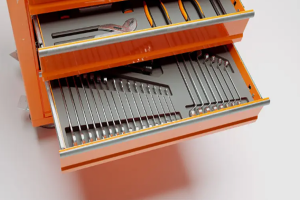
Use Compartments for Classification: Place wrenches, screwdrivers, pliers, sockets, and other tools in different areas to reduce direct contact between metal tools. The dividers do not need to be complicated as long as they can limit the range of tool movement.
Store Small Parts Separately: Small parts such as screws, nuts, washers, and screwdriver bits can easily fall into gaps between larger tools. Using small covered compartments to store them can prevent these parts from moving around inside the box.
Place Heavier Tools at the Bottom: Tools such as jacks, large wrenches, and heavier sockets should preferably be placed at the bottom of the box and kept stable. Lighter tools can be placed on top to reduce the impact on other tools when heavier items move.
Fill Excessive Gaps: When the tool box has significantly more capacity than the actual number of tools, the tools can slide back and forth inside the box. Tool trays, soft padding, or suitable storage boxes can be used to fill unused areas and reduce the distance the tools can move.
How Should Different Tools Be Arranged?
Wrenches and Sockets Need to Be Organized Separately
Wrenches and sockets are metal tools and are relatively heavy. If multiple specifications are mixed together, they can easily collide during transportation. They can be arranged according to size or secured using dedicated tool trays. Sockets can be arranged by size to prevent different specifications from pressing against each other. Frequently used sizes can be placed in easily accessible positions to reduce disturbance to other tools while searching.
Screwdrivers and Pliers Should Not Be Placed Crosswise
Screwdrivers usually have long shafts and handles, while pliers also have a certain length. If they are placed randomly across each other, they can easily become stuck together when the tool box is moved. A tray or long storage compartment can be used to separate them. If the internal space of the tool box is limited, tools with similar lengths can be arranged in the same direction so that closing the lid does not create additional pressure on the tools.
Small Parts Are Suitable for Independent Storage Boxes
When there are many screws, nuts, washers, and screwdriver bits, they can easily scatter across the bottom of the box. An independent storage box can separate these small parts while preventing them from entering areas such as hinges and locks. The storage box should preferably have a secure lid to prevent parts from falling out when the tool box is tilted or carried. Screws and nuts of different specifications can also be stored separately to reduce the time needed to find them later.
Frequently Asked Questions
Q: Will Tools Be Damaged if They Are Placed Directly in the Tool Box?
A: If there is a large amount of room for the tools to move, friction and collisions can occur during long-term transportation. Ordinary repair tools may only develop surface scratches, but precision tools or tools with special surface treatments require greater care. Therefore, it is recommended to use compartments, trays, or soft protective materials to separate the tools.
Q: Is a Larger Tool Box Always Better?
A: Not necessarily. If the tool box has excessive capacity but contains only a small number of tools, the unused space may actually increase the range of tool movement. The capacity should be selected according to the actual number of tools, with an appropriate amount of additional space reserved.
Q: Are Tools in Aluminum Alloy Tool Boxes Prone to Collisions?
A: Whether tools collide mainly depends on the internal storage method and is not determined entirely by the box material. Aluminum alloy tool boxes have good structural strength and relatively low weight. With properly designed compartments, trays, or storage boxes inside, they can also reduce tool movement.
Q: Can Foam Materials Be Used to Protect Tools?
A: Yes. Foam, rubber pads, or other soft isolation materials can be used to fill gaps between tools and reduce friction and collisions during transportation. When using these materials, make sure they do not prevent the lid from closing and do not block drainage or lock areas.
How Can Tools Be Organized in Actual Storage?
Storage of Household Repair Tools
For example, a household portable tool box may contain screwdrivers, an adjustable wrench, needle-nose pliers, combination pliers, a tape measure, and screws in multiple specifications. The screwdrivers and pliers can be placed in the upper tray, while the adjustable wrench and other heavier tools can be placed at the bottom of the main storage compartment. Screws can be placed in covered small boxes according to their specifications. After organizing the tools in this way, larger tools will not move back and forth at the bottom of the box during transportation, and small parts will not scatter into different areas. After opening the lid, the required tools can be found more quickly.
Storage of Vehicle Repair Tools
If the portable tool box is mainly used for vehicle repairs, sockets, wrenches, and screwdrivers can be classified according to their frequency of use. Heavier sockets and wrenches can be placed at the bottom, commonly used screwdrivers and pliers can be placed in easily accessible positions, while small bolts and washers can be stored in separate storage boxes. If there are still obvious gaps inside the box while the vehicle is moving or the tool box is being carried, additional padding can be added to reduce tool movement. After completing repair work, returning the tools to their original positions can help maintain a stable storage arrangement over the long term.
Portable tool boxes need to be carried frequently, and tool collisions are usually caused by excessive space inside the box, unclear tool classification, and unreasonable weight distribution. Solving these problems does not require complicated equipment; the internal space of the tool box can be used properly. Different types of tools such as wrenches, sockets, pliers, and screwdrivers can be organized using trays, dividers, and fixed slots. Heavier tools can be placed at the bottom, lighter tools on the upper layer, and small screws and nuts in separate storage boxes. For areas with excessive unused space inside the box, appropriate soft padding can be added to reduce the extent of tool movement. The tool box material should also be selected according to the intended use. Aluminum alloy tool boxes are relatively lightweight, structurally stable, and have good corrosion resistance, making them suitable for household repairs, vehicle maintenance, outdoor work, and other applications.
Regardless of the material of the tool box, a reasonable internal layout should be maintained. After placing the tools inside, check whether the lid can close properly and make sure that no tools protrude or press against each other. If tools are randomly piled together for a long time, the storage arrangement can gradually lose its effectiveness even when dividers are used. Returning each tool to its designated position after use can reduce movement during subsequent transportation. For precision tools or tools that are prone to scratches, additional protective sleeves or soft dividers can be used. Through classification, fixation, separation, and reasonable weight placement, the frequency of collisions inside a portable tool box can be effectively reduced, while keeping the tools organized and making them easier to access, which can also help extend the service life of the tools and internal tool box accessories.