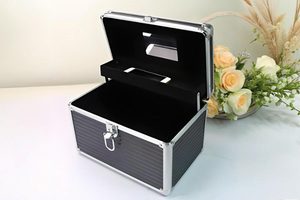
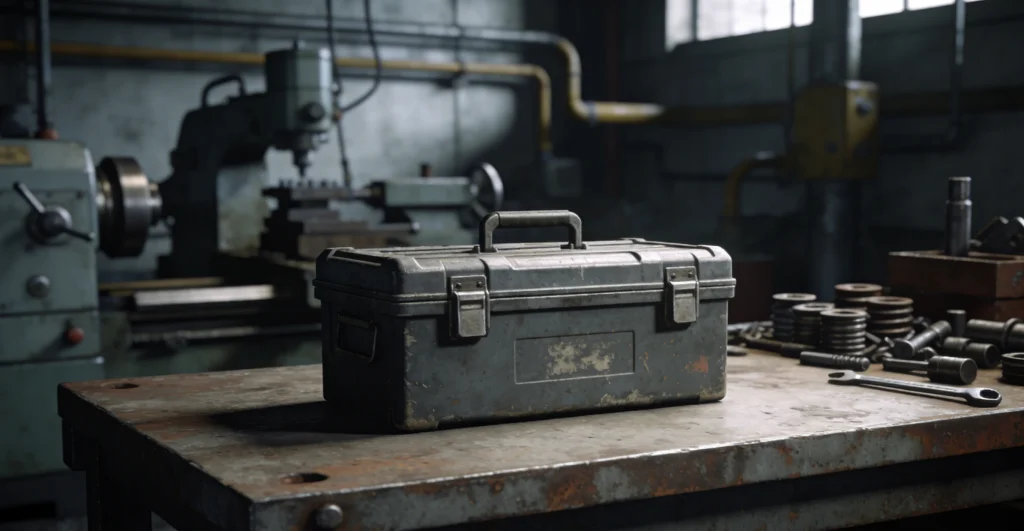
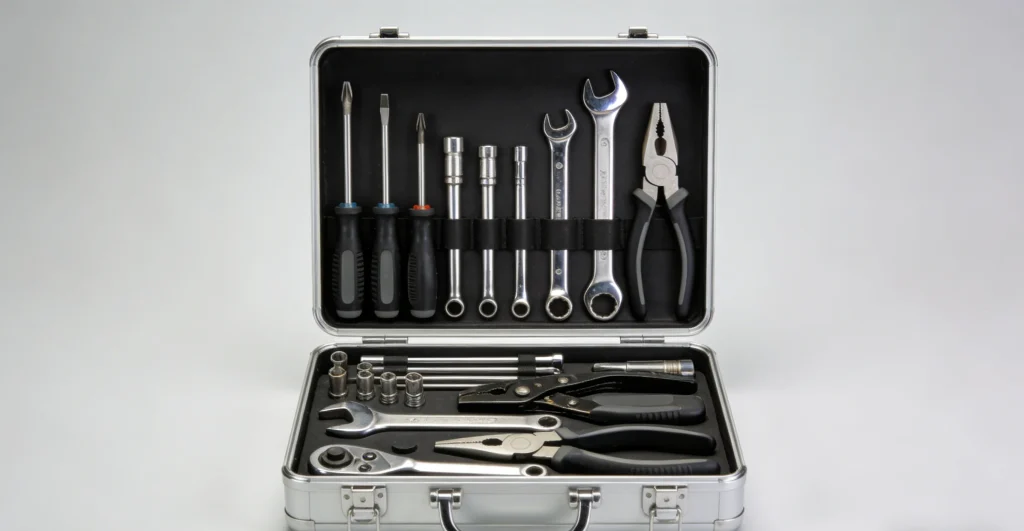
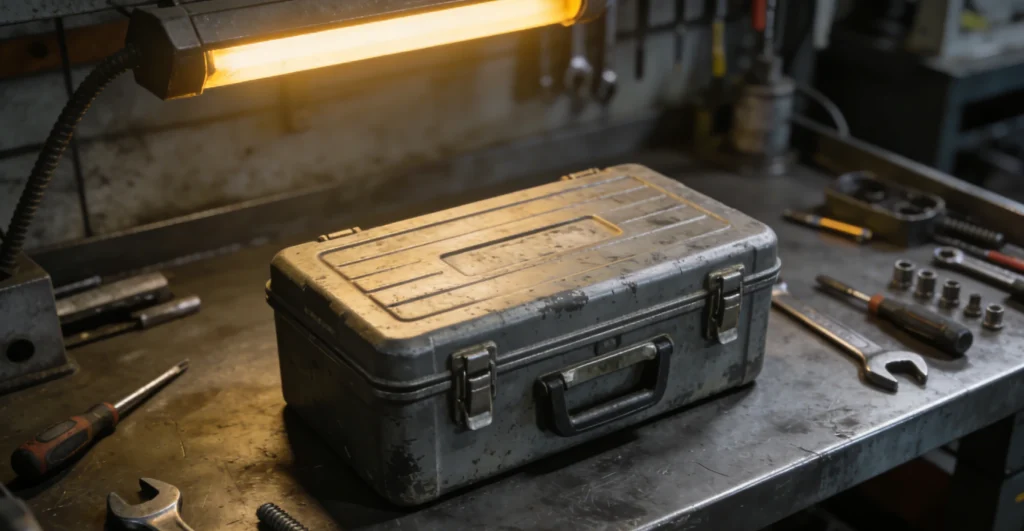
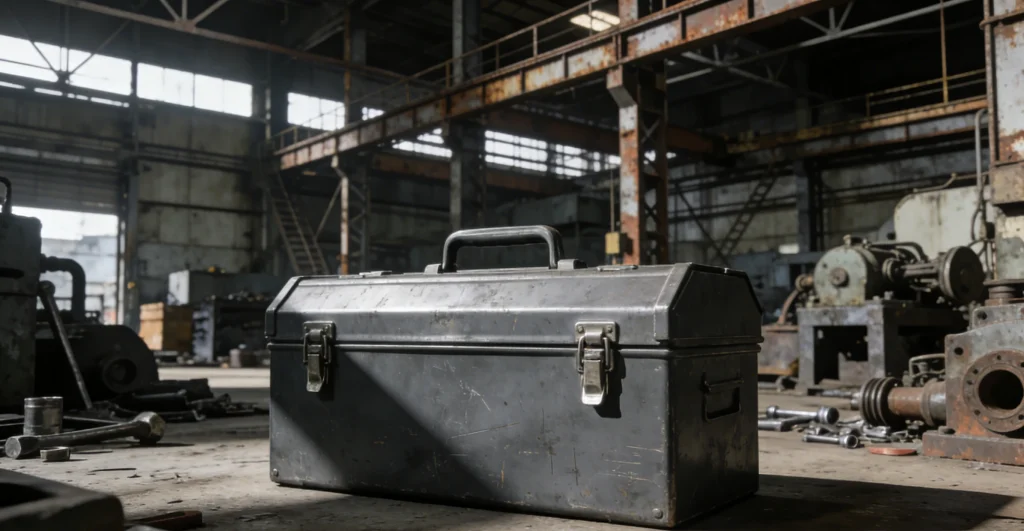
During cargo transportation, construction projects, logistics distribution, and long-distance driving, lorries often need to carry some repair tools and spare parts. Wrenches, screwdrivers, sockets, jacks, towing ropes, bolts, nuts, and other items may not necessarily take up much space, but there are usually many different types. If they are placed directly in the cab, cargo compartment, or other areas without fixed storage locations, tools can easily become scattered, difficult to access, and take up cargo space. A lorry tool box is a storage device designed for these needs. It can be installed on the side of the vehicle frame, under the cargo compartment, behind the cab, or in other suitable locations, providing a relatively independent storage space for vehicle tools.
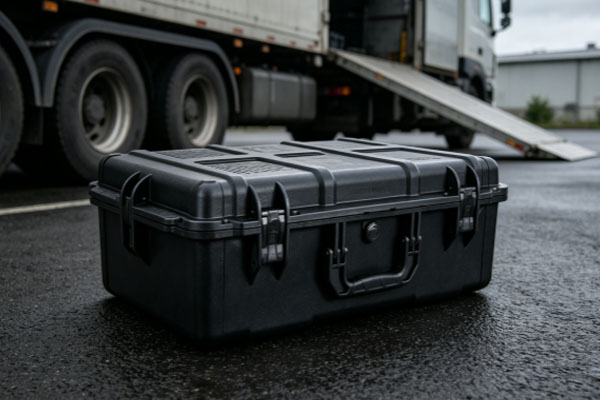
Not every lorry must be equipped with a tool box. If a vehicle mainly handles short-distance transportation, does not need to carry many repair tools during daily operations, and the driver can conveniently use other fixed storage spaces, the need for a tool box may not be significant. However, if the vehicle needs to travel for long periods, frequently enter remote areas, perform construction work, or carry a large number of repair supplies, the practical value of a tool box becomes more obvious. Especially when a minor vehicle fault occurs, if commonly used tools are stored together in the tool box, the driver can find the required items more quickly and avoid tools being scattered among the cargo. When choosing a tool box, it is also necessary to consider the vehicle size, number of tools, installation location, and actual operating environment to determine the appropriate box capacity, material, and mounting method.
These Vehicle Uses Require a Lorry Tool Box More
Long-Distance Transport Vehicles
Long-distance lorries usually need to travel continuously for long distances and may pass through highways, mountainous areas, township roads, and other areas with relatively few repair facilities. The longer the vehicle operates, the more apparent the need for the driver to carry basic repair tools usually becomes. A tool box can keep commonly used tools organized in one place and prevent them from being scattered in the cab or cargo area. For example, wrenches, sockets, screwdrivers, and pliers can be stored in the tool box, while small spare bolts and nuts can be classified separately. When simple vehicle adjustment work is required, the tool box can be opened directly to access the necessary tools without searching through the cab or cargo compartment.
Vehicles Frequently Used for Construction Work
The working locations of construction vehicles often change and may include construction sites, roadwork areas, mining areas, or other outdoor work environments. These vehicles not only perform transportation tasks but may also need to support on-site construction and equipment maintenance, so they usually need to carry more tools. The tools used by construction vehicles are often heavier than those used by ordinary cargo vehicles, such as large wrenches, sockets, jacks, and towing equipment. In this case, the tool box needs to provide sufficient storage space while also having good box strength and mounting capability.
How to Determine Whether a Tool Box Is Needed
Whether a vehicle needs a tool box can be determined based on its daily transportation tasks. If the following situations occur frequently, adding independent tool storage space can provide greater convenience.
A Large Number of Tools Are Carried: If the vehicle needs to carry wrenches, sockets, screwdrivers, jacks, and various spare parts for long periods, the storage compartments in the cab may not provide enough space. An independent tool box can offer more sufficient storage capacity.
Long-Distance Transportation Is Frequent: Long-distance transport vehicles have relatively fewer opportunities to stop at repair facilities during journeys. Carrying commonly used repair tools can make it easier to perform some basic inspection and adjustment work.
The Vehicle Frequently Enters Construction Sites: Construction environments often contain dust, sand, and moisture. Tools placed directly in the cargo compartment can easily become contaminated. A tool box with a door and sealing structure can provide a relatively independent storage space.
The Cargo Area Needs to Remain Organized: If the cargo compartment is mainly used for transporting goods, mixing tools, spare parts, and other miscellaneous items can affect loading and unloading efficiency. Storing repair supplies separately in a tool box can reduce the amount of cargo space they occupy.
What Should Be Considered Before Installing a Lorry Tool Box?
The Number of Tools Determines Box Capacity
A tool box is not necessarily better simply because it is larger. If the vehicle only needs to carry several wrenches, screwdrivers, and a small number of spare parts, a smaller box may be suitable. When there are many tools, more storage space is needed, with some additional capacity reserved to prevent all the tools from being piled together. If the box is too small, tools can press against each other, making them difficult to find when needed. If the box is too large, it may increase the amount of exterior space occupied by the vehicle and add unnecessary weight. Therefore, the actual number of tools is a relatively direct reference when selecting storage capacity.
The Installation Location Should Allow Easy Access
Common installation locations for lorry tool boxes include the side of the vehicle frame, underneath the cargo compartment, and behind the cab. When selecting a location, make sure that the box door can open normally and does not interfere with the wheels, suspension, exhaust pipe, or other vehicle components. If the tool box is installed in a relatively low position on the vehicle frame, it is also necessary to consider whether it may be struck when the vehicle passes over ramps, potholes, or uneven roads. After installation, the driver should also be able to open the locks and remove tools relatively easily.
Outdoor Use Requires Attention to Protective Performance
If a lorry is frequently used outdoors, the tool box needs to withstand rainwater, dust, sand, and sunlight. In this case, particular attention can be paid to the box material, door seals, locks, and drainage design. Aluminum alloy tool boxes are relatively lightweight and have good corrosion resistance, making them suitable for many exterior vehicle installation applications. For vehicles that frequently enter construction sites, it is also necessary to check whether the box structure and mounting brackets are sufficiently strong.
Frequently Asked Questions
Q: Does a short-distance transport lorry need a tool box?
A: Not necessarily. If the transportation distance is short, the vehicle frequently passes repair facilities, and the cab already has sufficient tool storage space, the decision can be made according to actual needs. If repair tools need to be carried every day, an independent tool box can still provide greater convenience.
Q: Why are long-distance lorries more suitable for tool boxes?
A: Long-distance vehicles need to operate continuously for extended periods, and simple fastening, adjustment, or replacement work may be required during the journey. Keeping commonly used tools together can reduce the time spent looking for tools and avoid taking up too much space in the cab and cargo area.
Q: Do construction vehicles necessarily need a large tool box?
A: Not necessarily. The size of the tool box should be determined according to the actual quantity and weight of the tools. If only basic repair tools are carried, a small or medium-sized box can also be used. If large wrenches, jacks, and many repair parts need to be stored, more storage space is required.
Q: Are aluminum alloy tool boxes suitable for long-term use on lorries?
A: Aluminum alloy tool boxes are relatively lightweight and have good corrosion resistance, making them suitable for exterior vehicle installation. During long-term use, the hinges, locks, seals, brackets, and fasteners still need to be checked regularly to prevent vehicle vibration and outdoor conditions from affecting normal use.
Whether a lorry needs a tool box can be determined based on the number of tools carried during daily operations, transportation distance, working environment, and use of cargo space. When selecting a tool box, capacity should not be the only consideration. The vehicle’s installation space and actual load-bearing conditions also need to be confirmed. After installation, the tool box must not interfere with the wheels, suspension, exhaust components, or cargo loading and unloading. At the same time, the door should open normally, and the locks and hinges should be convenient to operate. For vehicles used outdoors for long periods, attention should also be paid to the box’s resistance to rain, dust, and corrosion. Aluminum alloy tool boxes are relatively lightweight and have good corrosion resistance, making them suitable for many exterior lorry installation applications.
Regardless of the material selected, the box, seals, locks, hinges, mounting brackets, and fasteners should be inspected regularly. Therefore, the actual need for a lorry tool box is closely related to the vehicle’s operating tasks. Long-distance transportation, construction work, carrying a large number of tools, keeping the cargo area organized, and frequent outdoor operation are all typical situations in which a tool box can be useful. Selecting an appropriate capacity based on the actual number of tools, and then configuring the tool box according to the vehicle installation location, box material, load-bearing capacity, and protective performance, can keep tools more organized and make it easier for drivers to quickly find the required tools when vehicle repair or adjustment is needed.