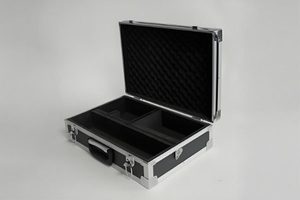
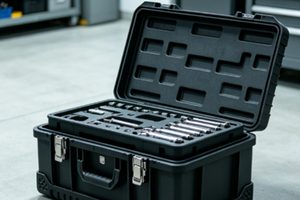
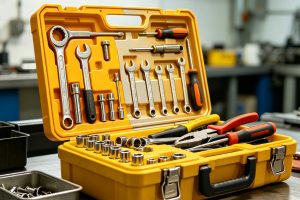
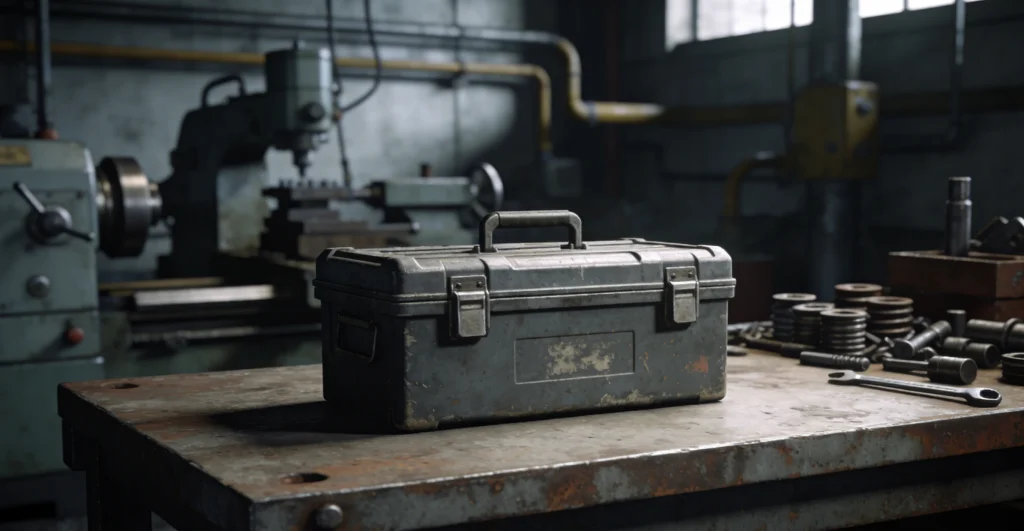
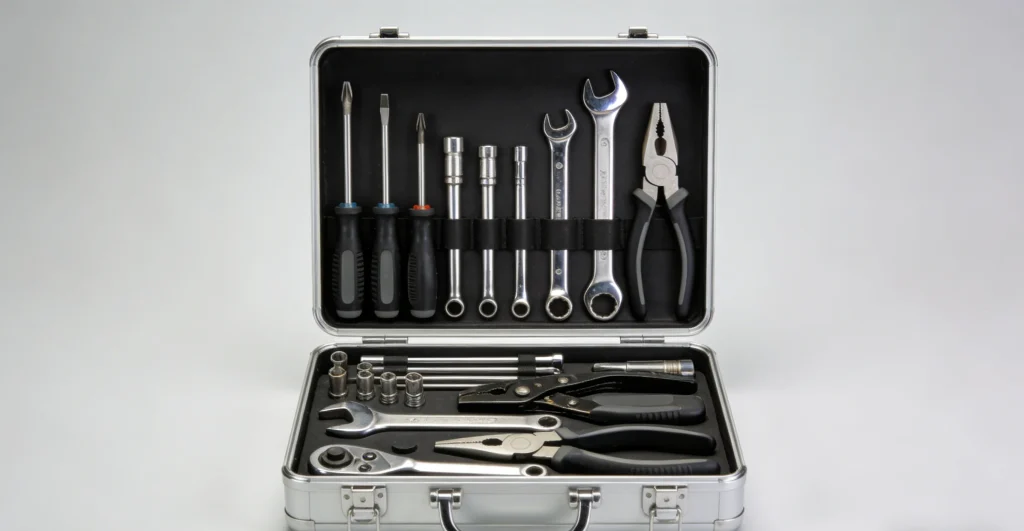
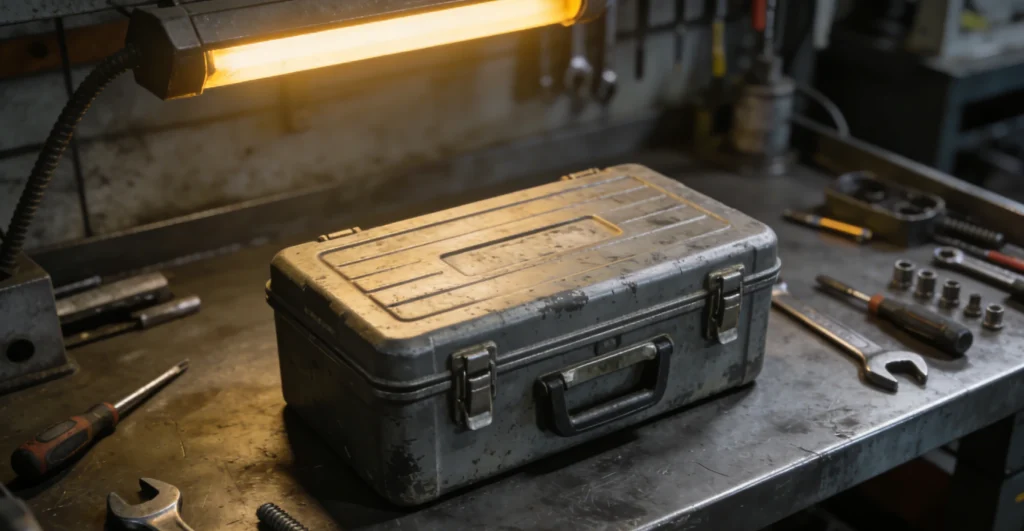
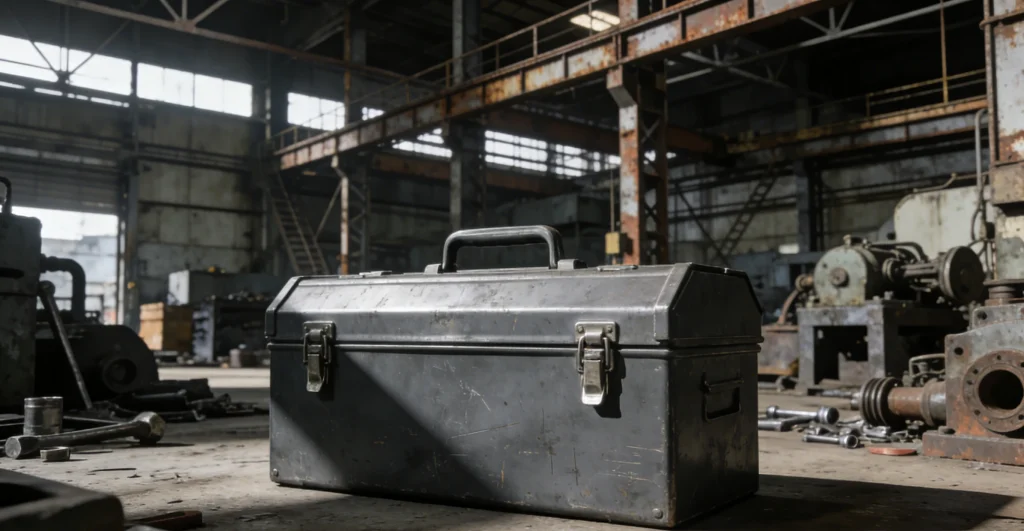
In everyday life and professional environments, people may not need a large number of tools, but screwdrivers, wrenches, pliers, measuring tapes, hex keys, and small accessories are often needed for quick repairs and adjustments. When these tools are left scattered around, they can take up valuable space in drawers, workbenches, and storage cabinets while making individual tools more difficult to find. A mini toolbox provides a compact way to keep frequently used tools together. With its small size, lightweight construction, portability, and flexible storage options, it can be used in household repairs, office maintenance, vehicle servicing, DIY projects, and outdoor work. Different toolbox sizes and internal layouts can be selected according to the actual requirements of each application.
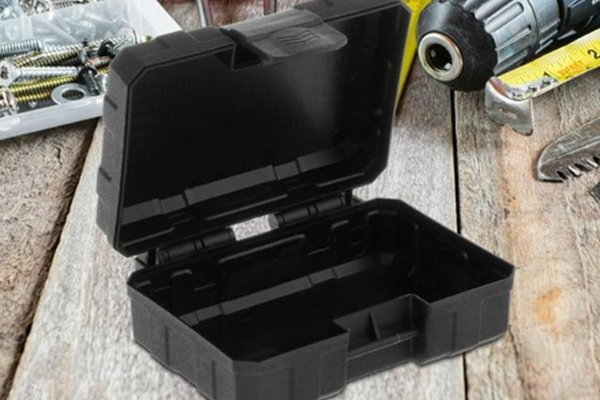
Mini Toolboxes for Everyday Household Repairs
The home is one of the most common environments where mini toolboxes are used. Everyday tasks such as furniture assembly, door and window adjustment, cabinet maintenance, and hardware replacement usually do not require large professional equipment. A few commonly used tools are often enough. By placing these tools in a mini toolbox, users can keep them together in a cabinet, tool drawer, balcony, garage, or other convenient storage location.
Household users can configure the toolbox according to their repair needs. For example, screwdrivers can be used for furniture and appliance screws, adjustable wrenches can handle nuts and bolts, needle-nose pliers are useful for gripping small components, and measuring tapes can be used when checking dimensions. If more tools are needed, internal dividers can be used to keep different items in relatively fixed positions.
For household applications, there is usually no need to select a toolbox with excessive capacity. Choosing a suitable size prevents the storage box itself from taking up unnecessary space while still providing enough room for commonly used tools. Lightweight plastic mini toolboxes are particularly convenient for regular household use because they are easy to move and handle.
Office and Electronic Equipment Maintenance
Modern offices commonly contain computers, printers, office furniture, filing cabinets, and various electronic devices. During long-term use, these items may require simple screw tightening, component adjustment, or accessory replacement. Although these tasks do not necessarily require professional workshop equipment, keeping commonly used tools in a mini toolbox can make maintenance more organized.
Office maintenance personnel can store precision screwdrivers, hex keys, tweezers, small pliers, and screwdriver bits in a compact storage box. When computers, office furniture, or printers require basic maintenance, the appropriate tools can be accessed quickly. For offices with limited desk or maintenance space, a small toolbox takes up very little working area.
Electronics repair and DIY electronic projects can also benefit from mini toolboxes. Precision screws and small components are easy to mix together without dedicated storage. A compact storage box with multiple compartments can separate different screws, connectors, and repair tools, making them easier to locate when needed.
Car and Bicycle Maintenance
Mini toolboxes are also suitable for use with cars, motorcycles, and bicycles. During routine vehicle use, basic tasks may include tightening screws, adjusting components, or performing simple inspections. Without a dedicated storage location, tools can easily become scattered throughout a garage, storage room, or vehicle compartment.
Vehicle owners can prepare a compact toolbox containing screwdrivers, adjustable wrenches, pliers, hex keys, and other commonly used tools. Because a mini toolbox takes up relatively little space, it can be stored in a car trunk, garage shelf, or household storage cabinet. When basic maintenance is required, the entire toolbox can be carried directly to the working area.
Bicycle maintenance usually requires a relatively limited collection of tools. Adjustments to tires, handlebars, seats, brakes, and other components may require different sizes of wrenches and hex keys. A suitably sized compact toolbox can keep these tools together and prevent users from searching for individual items during maintenance.
If the toolbox will be stored in a vehicle or outdoor environment for long periods, users can pay attention to the body material, closure mechanism, and moisture-resistant design. For applications involving frequent movement, a toolbox with a sturdy handle and reliable latch can provide additional convenience.
DIY Crafts, Model Building, and Creative Projects
DIY enthusiasts are another important group of mini toolbox users. Small woodworking projects, model assembly, handicrafts, mechanical models, and home creative projects often require numerous small tools and components. Although the quantity of each item may be limited, the variety can be relatively high, making organized storage especially useful.
A mini toolbox can provide a dedicated storage space for DIY projects. Depending on the project, users can store side cutters, screwdrivers, tweezers, utility knives, measuring tools, hex keys, and various small accessories. Storage boxes with individual compartments can also be used to separate screws, nuts, washers, and connectors, helping prevent small components from becoming mixed together.
For model-building enthusiasts, portability is another practical advantage. Model projects may be completed in a study, workshop, living room, or other location. A compact toolbox allows users to move the required tools together rather than carrying each item individually. After the project is finished, returning the tools to their designated positions also makes it easier to continue working later.
Outdoor Work and Temporary Repair Tasks
Mini toolboxes are also suitable for situations where a limited number of tools need to be transported outdoors, such as camping equipment maintenance, outdoor assembly, photography equipment adjustment, small mechanical repairs, and temporary installation work. In these situations, users generally only need a small set of basic tools, so a large toolbox may create unnecessary transportation weight.
A compact toolbox can be configured according to the task. For simple assembly work, users may carry screwdrivers, wrenches, and hex keys. For equipment adjustments, small pliers, measuring tapes, and precision bits can be included. If the task involves many small components, a toolbox with separate storage compartments can provide better organization.
Outdoor environments can place higher demands on tool storage products. In addition to weight, users may consider sealing performance, latch strength, and material durability. A well-designed toolbox can help reduce the possibility of tools becoming scattered during transportation or being exposed unnecessarily to external environmental conditions.
Mini toolboxes are suitable for a wide range of applications, from household repairs and office equipment maintenance to car and bicycle servicing, DIY projects, and temporary outdoor work. When selecting a product, users can consider the number of tools, tool dimensions, transportation frequency, and working environment to determine an appropriate capacity and structural design. For tool suppliers and online stores, organizing products according to applications such as household toolboxes, electronics repair toolboxes, portable automotive toolboxes, DIY tool organizers, and outdoor maintenance toolboxes can also help customers find a mini toolbox that matches their actual requirements more efficiently.