
Truck repair work usually involves more types of tools than ordinary passenger car repair. Engine inspection, chassis maintenance, tire replacement, electrical testing, fastener installation and removal, and roadside emergency repairs all require tools of different specifications. Common wrenches, sockets, screwdrivers, pliers, ratchet tools, testing instruments, and various repair accessories can easily become mixed together, difficult to find, or collide with each other during transportation without a suitable storage method. For repair shops, logistics fleets, automotive after-sales service centers, and roadside assistance teams, a toolbox needs not only sufficient capacity but also careful planning based on the actual number of tools, frequency of use, repair scenarios, and transportation methods.
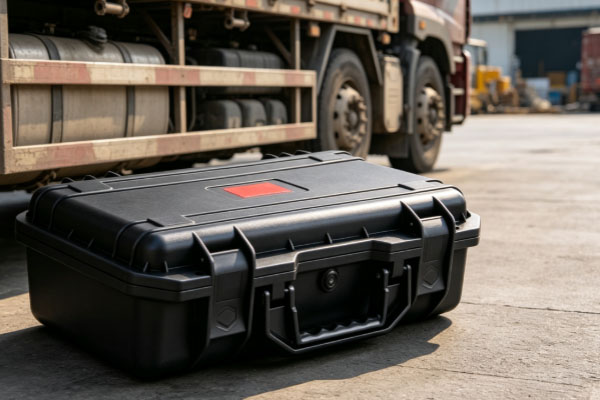
A properly configured truck repair toolbox can organize different tools by category and use foam inserts, layered compartments, fixed slots, and separate storage areas to reduce tool movement. This makes it easier for repair technicians to find the required tools during work. When companies purchase toolboxes in bulk, they also need to consider standardized product specifications, brand identification, internal layouts, future replenishment, and the tool requirements of different positions. Through customization, a toolbox can be transformed from a standard storage product into a dedicated tool storage solution that is better suited to daily truck repair work.
What Should Be Considered When Configuring a Truck Repair Toolbox?
The configuration of a truck repair toolbox should start with actual work requirements. Different vehicles, repair positions, and working locations have significantly different requirements for toolbox capacity and structure. Preparing a tool list in advance can reduce problems such as unsuitable dimensions or inefficient use of internal space.
Determine Toolbox Capacity Based on the Number of Repair Tools
A larger toolbox is not always better. If the box is too small, a large number of tools cannot be stored properly and may become stacked together. If the box is too large, it can increase the burden of transportation and occupy more space inside the vehicle or repair area. Therefore, commonly used tools can be listed first, followed by determining the toolbox dimensions according to the number of tools. For example, wrenches, screwdrivers, and pliers used for daily maintenance can be placed in easily accessible positions. Sockets, extensions, and ratchet handles can be arranged together, while multimeters and testing instruments can have dedicated storage areas.
| Tool Type | Common Tools | Recommended Storage Method |
| Basic repair tools | Wrenches, screwdrivers, pliers | Foam slots or tool panels |
| Socket tools | Sockets, ratchets, extensions | Classified slots |
| Tire repair tools | Tire tools, tire pressure testing tools | Separate area |
| Electrical testing tools | Multimeters, test pens | Protective cushioning |
| Small accessories | Bolts, nuts, washers | Classified boxes |
| Emergency supplies | Gloves, jumper cables, etc. | Separate storage area |
This configuration allows tools to be organized according to their actual applications while reducing pressure between tools of different sizes.
Arrange Internal Positions According to Frequency of Use
Repair technicians repeatedly use certain tools every day. These tools should be placed where they can be easily seen after opening the toolbox. Specialized tools with lower usage frequency can be placed in lower or separate compartments. For example, wrenches, screwdrivers, and ratchet wrenches can be arranged in the upper section; sockets and extensions can be placed in the middle section; heavier tools and spare accessories can be stored at the bottom. This layout can reduce the need to repeatedly search through the toolbox and also makes tool inspection easier after repairs.
Reserve Space for Additional Tools
Companies generally use truck repair toolboxes for a long period, and the number of tools may increase as vehicle models and repair projects change. If a toolbox is completely filled from the beginning, newly added tools can easily become mixed with existing tools. Therefore, some additional space can be reserved during the design stage. For bulk purchases, different configuration versions can also be produced using standardized specifications, allowing basic repair tools, electrical testing tools, and specialized repair tools to have suitable storage areas.
How Should the Internal Structure of a Truck Repair Toolbox Be Planned?
The external dimensions of a toolbox determine how many tools it can hold, while the internal layout directly affects daily usability. A suitable internal structure should provide a fixed position for each tool while making tools easy to take out, return, and check.
Use Separate Zones to Reduce Tool Mixing
Truck repair involves many tools. If all tools are placed directly into one large compartment, the toolbox can easily become disorganized after repeated use.
Different areas can be divided according to tool categories, such as: Common hand tools; Socket and connection tools; Testing equipment; Small repair accessories.
For customers with a large variety of tools, the toolbox can also be designed according to repair procedures. For example, tools commonly used for engine repair can be concentrated in one area, while tire repair tools can be placed in another. Technicians can then open the corresponding area according to the work being performed.
Foam Inserts Are Suitable for Precise Tool Positioning
If a toolbox needs to move with a truck or is frequently carried by workers, internal tools may collide due to movement. Foam inserts can be cut according to the shape of different tools, giving wrenches, sockets, screwdrivers, and testing instruments relatively fixed positions. Tools are less likely to move freely inside the case after being returned, while missing tools can also be identified more easily. For products requiring additional protection, such as multimeters and electronic testing equipment, thicker cushioning areas can be added to reduce impact during transportation.
Large Tools and Small Accessories Should Be Stored Separately
Truck repair involves both large tools and many small items, including bolts, nuts, washers, fuses, and other accessories. If small accessories are stored together with large tools, they can easily be covered by other tools or become scattered. Small accessories can therefore be stored in separate classified boxes and divided by size or application. This design makes them easier to locate and can reduce the risk of small accessories being left behind after repairs.
The Opening and Closing Method Should Match the Working Environment
If the toolbox is mainly used in a repair workshop, a larger opening structure can be selected. If it needs to be carried in a vehicle, the opening space should be considered together with the available vehicle storage space. For toolboxes that need to be opened frequently, the positions of hinges, handles, and locks should also be designed properly. For products stored inside vehicles for long periods, dust resistance, moisture protection, and other protective requirements can be considered according to the actual environment.
Truck Repair Toolbox Configuration Solutions for Different Applications
Different companies use toolboxes in different ways. Repair shops generally place greater emphasis on capacity and classification, logistics fleets focus more on standardized management, while roadside assistance teams place greater importance on portability. Therefore, customized toolboxes should be adjusted according to actual workflows.
Truck Repair Shops: Large Capacity and Classified Storage
Truck repair shops often service multiple vehicle models at the same time. They require a large number of tools, including some relatively large tools. This application can use a combination of large-capacity toolboxes, tool carts, and classified storage boxes. Commonly used tools can be placed in mobile toolboxes, spare tools can be stored in large tool cabinets, and small accessories can be managed using classified boxes. If a repair shop has multiple workstations, standardized toolboxes can also be configured for each workstation. This can reduce repeated tool borrowing between workers and make future replenishment easier.
Logistics Fleets: Standardized Specifications for Easier Management
Logistics fleets usually operate multiple trucks. Vehicles may travel long distances every day, while repair requirements can occur in different locations. Companies can establish standardized tool configurations based on common repair tasks. For example, each repair toolbox can maintain the same external dimensions and internal layout, with commonly used tools positioned in the same locations. Once workers become familiar with one toolbox, they can quickly use another product with the same configuration. Fleet managers can also use numbers, labels, and company logos to distinguish different vehicles or repair positions, making tool management clearer.
Roadside Assistance: Lightweight Requirements
Roadside assistance teams usually need to reach disabled vehicles quickly, so toolbox design should consider portability in addition to capacity. Basic repair tools, testing equipment, jumper cables, and commonly used emergency supplies can be stored together. For workers who frequently need to get in and out of vehicles or walk to repair locations, a portable toolbox with comfortable handles can be considered. If the number of tools is relatively large, a toolbox with wheels can also be selected to make movement easier on flat surfaces.
Automotive After-Sales Service Teams: Consistent Appearance and Configuration
Automotive after-sales teams often interact directly with customers, so toolboxes can also maintain a consistent corporate image while meeting storage requirements. Case colors, logos, labels, and internal tool positions can be standardized according to company requirements. For large after-sales teams, different toolboxes can also be configured for basic repairs, electrical testing, tire maintenance, and other tasks. This can meet practical repair requirements while making bulk purchasing and future management easier.
Truck Repair Toolbox Customization and Bulk Purchasing Solutions
When companies purchase truck repair toolboxes, choosing a standard product based only on general dimensions may result in insufficient capacity, wasted internal space, or tools that cannot be securely positioned. Customization allows the toolbox to be planned according to the actual tools and is more suitable for bulk purchasing and long-term use.
Start with a Tool List
Customers can provide tool names, quantities, dimensions, and photos, or they can directly provide overall photos of the existing tools. Based on this information, the following elements can be planned: external toolbox dimensions, internal space, foam thickness, tool slots, layered structures, handles, locks, and opening methods. If a customer does not yet have a complete tool list, the main tool photos and approximate quantities can be provided first, followed by further confirmation based on actual requirements.
Support Different Product Configurations for Different Order Volumes
Different companies have different purchasing quantities. Small repair teams may require a limited number of toolboxes, while large logistics companies or automotive service groups may require long-term bulk purchases. For bulk projects, product specifications can be standardized while different internal layouts are provided for different positions. For example, basic repair positions can use a standard configuration, professional testing positions can include additional space for instrument protection, and fleet emergency repair positions can include dedicated storage for commonly used emergency tools. This approach can reduce repeated design work and make future replenishment easier.
Corporate Logos and Appearance Can Be Standardized
Toolboxes can be customized according to corporate branding requirements, including colors, logos, labels, and identification numbers. For repair shops, automotive after-sales companies, logistics fleets, and roadside assistance companies, a consistent appearance can help distinguish company assets and allow workers to quickly identify their assigned toolboxes.
Guangzhou Siphia Case Co Provides Customization Support
Guangzhou Siphia Case Co can provide toolbox customization services for automotive repair, truck repair, roadside assistance, fleet management, automotive after-sales service, and other applications. From internal tool storage space and external case dimensions to foam inserts and brand identification, the design can be discussed according to the customer’s actual requirements. For companies requiring bulk purchases, product specifications can also be standardized according to long-term usage requirements, reducing repeated communication during future purchases. If you already have the tools, you can provide tool photos, dimensions, quantities, and usage environments, and we can further determine the appropriate toolbox capacity and internal layout.
Frequently Asked Questions
Can a truck repair toolbox be customized according to tool dimensions?
Yes. Based on the tool photos, dimensions, and quantities provided by the customer, the internal space can be planned and suitable storage positions can be designed according to the shape of each tool.
Can foam inserts be added to the toolbox?
Yes. Foam can be cut according to tool shapes to secure wrenches, sockets, screwdrivers, testing equipment, and other products, reducing movement and collisions during transportation.
Can a unified company logo be used for bulk toolbox purchases?
The case color, logo, labels, and identification numbers can be discussed according to specific project requirements. For fleets, repair shops, and automotive after-sales companies, the product appearance and specifications can be standardized.
How should a toolbox be selected when there are many tools?
It is recommended to organize the tool names, quantities, and dimensions first, and then determine the toolbox size. When there are many tools, a layered design or multiple toolbox combination can be used instead of simply selecting one oversized case.
Can the toolboxes be used for roadside assistance?
Yes. Roadside assistance applications can focus on weight, handles, internal fixing methods, and tool accessibility, while the tool configuration can be determined according to common roadside repair tasks.
Can small-batch orders be discussed?
Yes. Whether you need samples, small-batch purchases, or long-term bulk projects, you can provide your basic requirements for discussion before determining a suitable product solution.
The value of a truck repair toolbox is not simply providing additional space for storing tools. More importantly, it helps make repair work more organized. Wrenches, sockets, screwdrivers, testing equipment, and small accessories can each have fixed positions, making tools easier to access and allowing workers to quickly check whether all tools are present after repairs. For repair tools transported with vehicles, a suitable internal fixing structure can also reduce collisions between tools during movement. Guangzhou Siphia Case Co can provide customized toolbox solutions based on the customer’s actual tools, working environment, and purchasing quantity. You do not need to determine every detail at the beginning. Simply provide tool photos, dimensions, quantities, and application scenarios, and we can further discuss case specifications, internal structures, and customization requirements.
If you are purchasing truck repair toolboxes, automotive repair toolboxes, or custom tool storage cases in bulk, you can directly send tool photos, dimensions, quantities, and estimated purchase volume. Guangzhou Siphia Case Co will assist in confirming a suitable product configuration based on your actual requirements.
Email:marktingoffice@siphiabox.com
WhatsApp / Phone:+1 6027256314