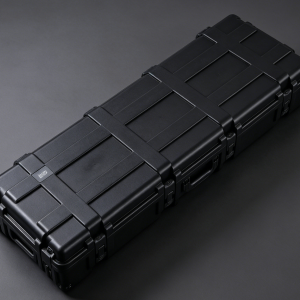
In factories, repair workshops, warehouses, construction sites, and equipment maintenance facilities, an industrial toolbox is designed not only for tool storage and protection. Its color can also affect identification efficiency, workplace organization, and user experience. Compared with ordinary household storage boxes, professional toolboxes are exposed to dust, oil, frequent handling, and complex working conditions. Therefore, toolbox color selection should consider more than appearance. Visibility, safety, cleaning requirements, and corporate branding should also be taken into account.
Why Is Toolbox Color Important in Industrial Workplaces?
Improve Toolbox Identification
In large workshops or warehouses, employees may need to manage dozens or even hundreds of toolboxes. If all toolboxes have the same appearance, finding a specific box can take unnecessary time. Different colors can help workers quickly identify toolboxes according to their purpose, department, or work area.
For example, different colors can be assigned to maintenance tools, inspection equipment, electrical tools, and specialized equipment. This color-based classification can reduce search time and improve workplace efficiency.
Increase Visibility in Complex Working Environments
Industrial workplaces may contain large amounts of equipment, limited lighting, and visually complex backgrounds. A toolbox with a distinctive color can create stronger visual contrast with its surroundings, making it easier for workers to locate.
For construction, outdoor maintenance, and equipment service applications, highly visible colors such as orange and yellow can make toolboxes easier to identify, providing an additional visual management solution for professional work environments.
What Factors Should Be Considered When Choosing Toolbox Colors?
Select Colors According to the Working Environment
Different working environments have different requirements for toolbox colors.
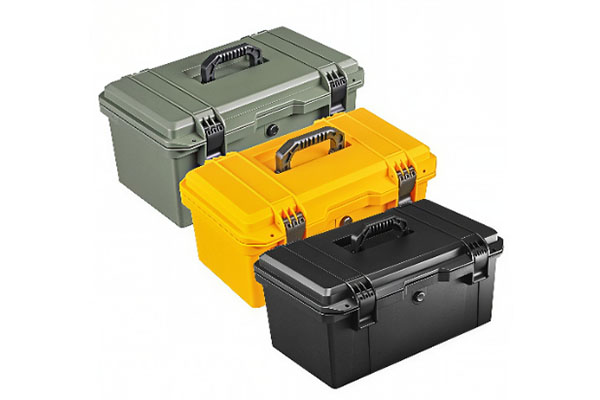
In machining workshops, black and dark gray toolboxes can provide a professional industrial appearance while blending naturally into the surrounding environment. For construction sites, road maintenance, and outdoor operations, orange and yellow can provide higher visibility.
For warehouses, toolbox colors can be selected according to storage zones, tool categories, or workplace management systems. This allows color to become part of an organized tool management process.
Consider Oil, Dust, and Cleaning Requirements
Industrial toolboxes are often exposed to metal dust, lubricants, grease, and other contaminants. Light-colored surfaces make dirt easier to see, which can help workers identify when cleaning is necessary. However, they may require more frequent maintenance to maintain their appearance.
Dark-colored toolboxes generally have a more dirt-resistant visual appearance and can be suitable for mechanical repair and manufacturing environments where oil and dust are common. Businesses should balance appearance, maintenance requirements, and actual workplace conditions when selecting colors.
Consider Workplace Safety Management
Color can also serve as an auxiliary tool for industrial safety management. Different colors can be used to distinguish tool categories, maintenance equipment, or tools assigned to specific work areas, allowing workers to understand their purpose more quickly.
However, toolbox colors should not replace formal safety signs or safety management procedures. Instead, they should function as part of a broader visual management system.
Common Industrial Toolbox Colors and Their Applications
Black and Dark Gray
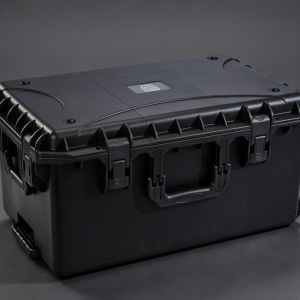
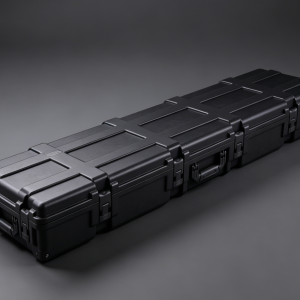
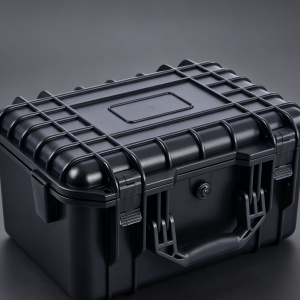
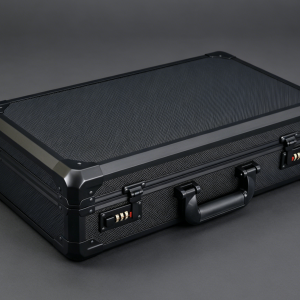
Black and dark gray provide a professional industrial appearance and are suitable for machining, equipment maintenance, automotive repair, and factory production environments. These colors can also visually conceal minor dust and oil stains, making them practical for demanding workplaces.
Orange and Yellow
Orange and yellow offer high visibility and are suitable for construction, outdoor maintenance, engineering projects, and other environments where tools need to be located quickly. In large work areas, brightly colored toolboxes can also support more efficient workplace organization.
Blue and Green
Blue and green can be used for tool classification and workplace organization. For example, different departments can use different toolbox colors, allowing employees to quickly identify tool ownership or application. This approach can help establish a clearer and more systematic toolbox management system.
What Should Businesses Consider When Customizing Toolbox Colors?
Balance Brand Identity with Practical Requirements
Businesses that require customized industrial toolboxes can incorporate their brand colors into the toolbox body, handles, or selected components. This helps maintain visual consistency across equipment and strengthens corporate identity.
However, brand colors should also be evaluated according to the actual working environment. Visual consistency should not come at the expense of toolbox visibility or practical usability.
Establish Consistent Color Management Rules
For large-scale toolbox procurement, businesses can establish color coding rules in advance. For example, specific colors can represent different departments, equipment categories, or tool applications.
A standardized color management system can reduce employee training requirements and make tool inventory, identification, and maintenance easier.
How to Choose the Right Industrial Toolbox Color?
There is no single toolbox color that is suitable for every industrial environment. When selecting a color, businesses should consider the working environment, visibility, resistance to visible dirt, cleaning frequency, tool classification, and brand identity.
For production workshops where practicality is the main priority, dark and industrial colors may be a suitable option. For outdoor engineering and maintenance applications, brighter colors can provide better visibility. For businesses purchasing toolboxes in large quantities, customized colors can also help establish a consistent tool management system.
The right industrial toolbox color can do more than improve product appearance. It can also support workplace organization, visual identification, safety management, and corporate branding. For businesses that rely on industrial toolboxes for daily operations, color is an important detail that can contribute to greater efficiency and more standardized workplace management.