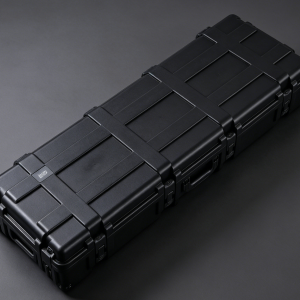
Repair workshops often need to manage wrenches, screwdrivers, pliers, inspection instruments, power tools, and various specialized maintenance equipment. Without a consistent system for toolbox appearance and color, tools can easily become mixed together, increasing search time and making it difficult to determine where tools should be returned. A well-planned industrial toolbox color coding system can connect colors with tool categories, departments, and work areas, making workshop tool management more visual and organized.
Why Is Toolbox Color Coding Important in Repair Workshops?
Improve Tool Identification Efficiency
When dealing with equipment failures, maintenance technicians often need to locate the right tools quickly. If every toolbox has the same appearance and color, employees may need to check labels or open multiple boxes before finding what they need.
Using different colors for different tool categories allows technicians to identify toolboxes from a distance and reduce the time spent searching for equipment.
For example, separate colors can be assigned to mechanical maintenance, electrical maintenance, and inspection tools, creating a clear visual distinction between different applications.
Reduce Tool Mixing and Misplacement
Large repair workshops may have different tools assigned to different teams or workstations. A standardized color coding system can help employees establish clear return procedures.
When each toolbox category has a designated color, workers can quickly identify where tools belong after use. This can reduce tool mixing and make daily workshop organization easier.
How Should Toolboxes Be Color-Coded in Repair Workshops?
Assign Colors According to Tool Applications
Classifying toolboxes by application is one of the most straightforward approaches.
For example, dark-colored toolboxes can be used for mechanical maintenance tools, blue toolboxes for electrical maintenance equipment, green toolboxes for inspection instruments, and orange or yellow toolboxes for emergency repair tools.
The specific color scheme can be adjusted according to the company’s internal management system. The key is to establish a consistent relationship between each color and its designated tool category.
Use Colors to Identify Different Work Areas
Toolbox colors can also be assigned according to workshop zones. For example, equipment maintenance areas, parts processing areas, inspection areas, and storage areas can use different colors.
This makes it easier for employees to identify which tools belong to a specific area when moving around a large repair workshop.
For larger facilities, this approach can be combined with area signs, shelf labels, and toolbox numbers to create a more complete visual management system.
Use Bright Colors for Special-Purpose Tools
Some emergency or frequently used tools need to be located quickly. Orange and yellow toolboxes can provide higher visual visibility and make these tools easier to find during unexpected equipment failures.
However, toolbox colors should only serve as an auxiliary identification method and should not replace professional safety signs or established workplace safety procedures.
Practical Applications of Different Toolbox Colors
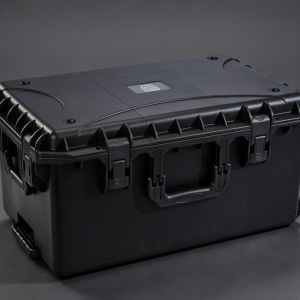
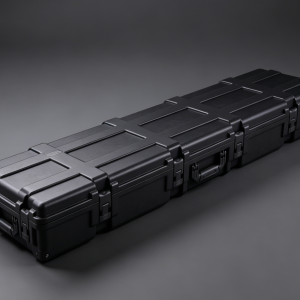
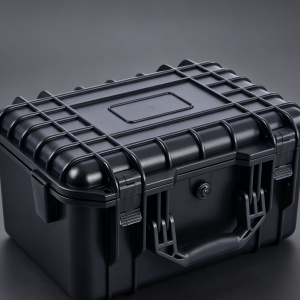
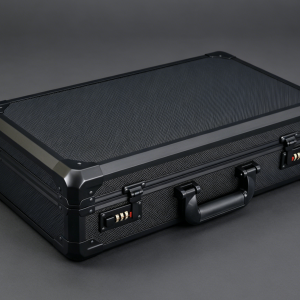
Black and Dark Gray: For General Maintenance Tools
Black and dark gray provide a professional industrial appearance and can visually conceal minor dust and oil stains. These colors are suitable for mechanical maintenance, automotive repair, and routine equipment servicing.
Blue: For Electrical and Specialized Tools
Blue can be used to identify electrical maintenance tools, wiring equipment, or specialized technical tools. When combined with labels and identification numbers, blue toolboxes can further improve tool recognition.
Green: For Inspection and Maintenance Equipment
Green can be used for inspection instruments, measuring tools, and quality maintenance equipment. This makes it easier for workers to distinguish inspection devices from conventional repair tools.
Orange and Yellow: For Emergency and Frequently Used Tools
Orange and yellow provide strong visual recognition and can be used for emergency repair tools, shared workshop tools, or equipment that needs to be accessed quickly.
What Other Factors Should Be Considered?
Consider the Workshop Environment
Toolbox colors should be selected according to the workshop’s lighting, walls, floors, machinery, and overall visual environment. Colors that are too similar to the surrounding background may reduce toolbox visibility.
Consider Cleaning and Maintenance
Repair workshops commonly generate oil, metal dust, and other contaminants. Dark-colored toolboxes can be practical when resistance to visible dirt is important, while lighter colors make surface contamination easier to identify and clean.
Establish Consistent Color Coding Rules
The key to effective toolbox color management is consistency. Businesses can create a simple color management chart that connects each color with a department, tool category, or work area.
Toolboxes can also include numbers, text labels, or identification tags to supplement the color system and provide more precise information.
How Can You Build a Clear Toolbox Management System?
An effective color scheme should work together with toolbox numbers, storage locations, and workplace procedures. Businesses can first classify tools according to their purpose and frequency of use, assign a color to each category, and then apply the system to toolboxes, shelving, and work-area signs.
For businesses that use industrial toolboxes for long-term operations or require large-volume procurement, customized toolbox colors can also be developed according to corporate branding and actual working conditions. This allows the toolbox management system to combine practical functionality with a consistent visual identity.
With a well-designed color coding system, repair workshops can move from searching for tools box by box to quickly identifying tools by color. When colors, labels, numbers, and storage areas are integrated into one system, businesses can reduce tool search and misplacement issues while improving the efficiency and organization of daily maintenance operations.