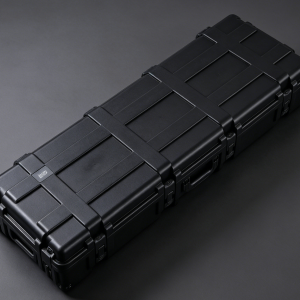
In factories, repair workshops, warehouses, and construction sites, toolboxes are frequently exposed to dust, metal particles, lubricants, grease, and other contaminants. When purchasing industrial toolboxes, businesses often focus on dimensions, materials, protection performance, and internal storage design, while the impact of color on daily use is sometimes overlooked. In fact, toolbox color can significantly affect how easily dust and oil stains can be seen, which can also influence cleaning frequency, workplace organization, and long-term appearance.
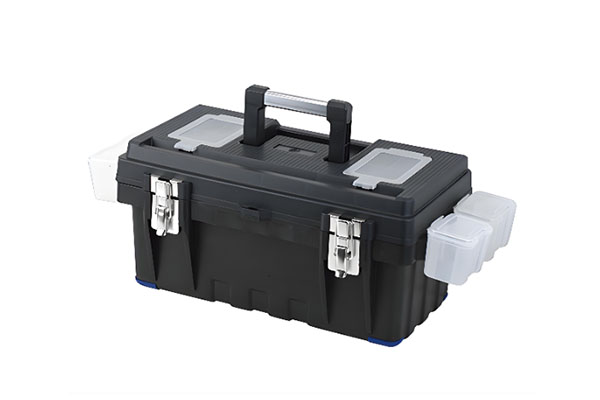
Why Does Toolbox Color Affect the Visibility of Dirt?
Different Colors Create Different Levels of Visual Contrast
The visibility of dust and oil stains depends partly on the contrast between the contaminant and the toolbox surface. The same type of dirt may look very different depending on the color of the toolbox.
For example, dark oil stains are usually more noticeable on light-colored toolboxes, while dust, metal particles, and light-colored debris may be easier to see on dark surfaces. Therefore, toolbox color does not change the dirt itself. Instead, it affects the visual contrast between the dirt and the toolbox surface.
Industrial Environments Can Make Color Differences More Noticeable
Repair workshops, machining facilities, and automotive service areas often contain oil, dust, and metal debris. After prolonged use, toolboxes in these environments can accumulate different types of contaminants.
When the toolbox color creates strong contrast with common contaminants, dirt is easier to identify. When the toolbox color is similar to the contaminants, minor stains may be less noticeable.
How Do Different Toolbox Colors Affect Dust and Oil Visibility?
Black and Dark Gray Toolboxes
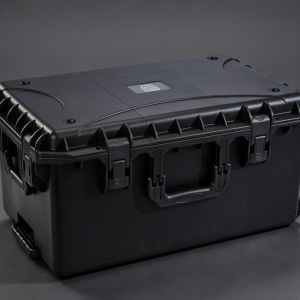
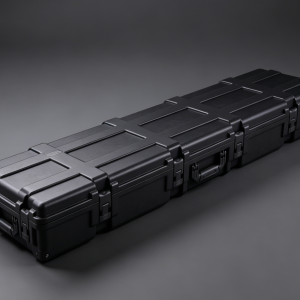
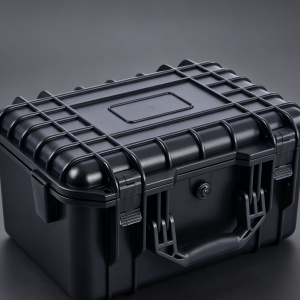
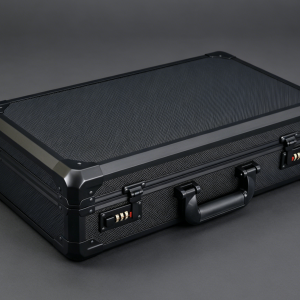
Black and dark gray toolboxes provide a professional industrial appearance and are widely used in repair and manufacturing environments. For certain dark-colored oil stains, these colors can visually conceal minor contamination, helping the toolbox maintain a relatively clean appearance during daily use.
However, dust, light-colored metal particles, and certain white residues can be more visible on dark surfaces. Regular cleaning is still necessary, especially in demanding industrial environments.
White and Light-Colored Toolboxes
Light-colored toolboxes generally make oil stains, dark dust, and fingerprints easier to identify. When a workplace requires a high level of visible cleanliness, light-colored surfaces can help workers notice contamination more quickly.
However, in dusty or oil-heavy industrial environments, light-colored toolboxes may require more frequent cleaning to maintain a clean appearance.
Orange, Yellow, and Other Bright Colors
Orange and yellow offer high visual visibility and are often used for industrial equipment and toolboxes that need to be identified quickly. Their main advantage is improved visibility rather than reduced stain visibility.
When dark oil stains or dust accumulate on these surfaces, contamination can also be relatively easy to detect. Therefore, bright-colored toolboxes can work well when combined with standardized cleaning procedures.
How Should Toolbox Color Be Selected for Different Work Environments?
Repair Workshops with Heavy Oil Contamination
If a working environment frequently involves engine oil, grease, lubricants, and other dark contaminants, black and dark gray industrial colors can be practical choices. These colors can help toolboxes maintain a relatively clean visual appearance during regular use.
Manufacturing Environments with High Dust Levels
Machining and manufacturing facilities can generate considerable amounts of metal dust and particles. Businesses can select toolbox colors that provide suitable visual contrast with the dominant types of dust, making contamination easier to identify when cleaning is required.
Workplaces with Strict Cleanliness Requirements
Laboratories, inspection areas, and workplaces with strict 5S management requirements may benefit from colors that make contamination easier to see. Although this can result in more frequent cleaning, it can also help establish clearer maintenance standards.
How Can Toolbox Color Work with Cleaning Management?
Establish a Regular Cleaning Schedule
Toolbox color only affects the visual appearance of dirt. It does not actually reduce dust or oil contamination. Businesses should still establish cleaning schedules according to toolbox usage frequency and the conditions of the working environment.
Combine Color with Area Management
Different areas can use different toolbox colors and combine them with identification numbers and labels. This approach can improve tool identification while making it easier to monitor the cleanliness of different work areas.
Customize Colors According to Actual Requirements
For businesses purchasing industrial toolboxes in large quantities, colors can be customized according to the working environment, common contaminants, and corporate branding. A well-planned color scheme can balance tool identification, workplace organization, and daily maintenance.
Toolbox Color Is Not the Only Factor That Determines Dirt Resistance
Toolbox color can affect how easily dust and oil stains are seen, but it does not directly determine whether a toolbox is resistant to dirt. Surface materials, finishing processes, coating quality, working conditions, and cleaning methods can also affect long-term appearance.
Therefore, businesses should not choose industrial toolboxes based solely on whether a color appears to be “dirt-resistant.” Working environment, types of contamination, cleaning frequency, visibility, and tool management requirements should all be considered.
For professional repair and manufacturing environments, the right toolbox color can do more than influence appearance. It can also become part of a practical visual identification and standardized workplace management system.