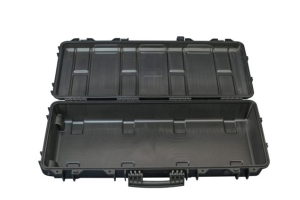
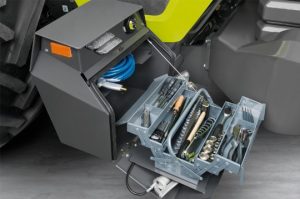
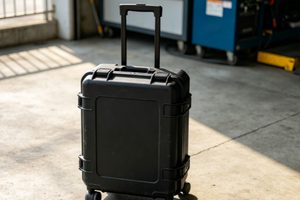
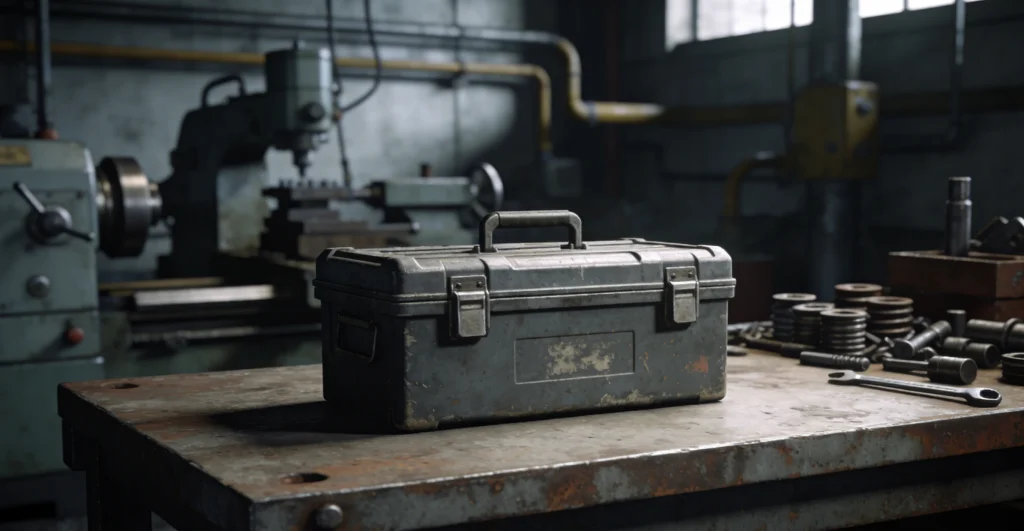
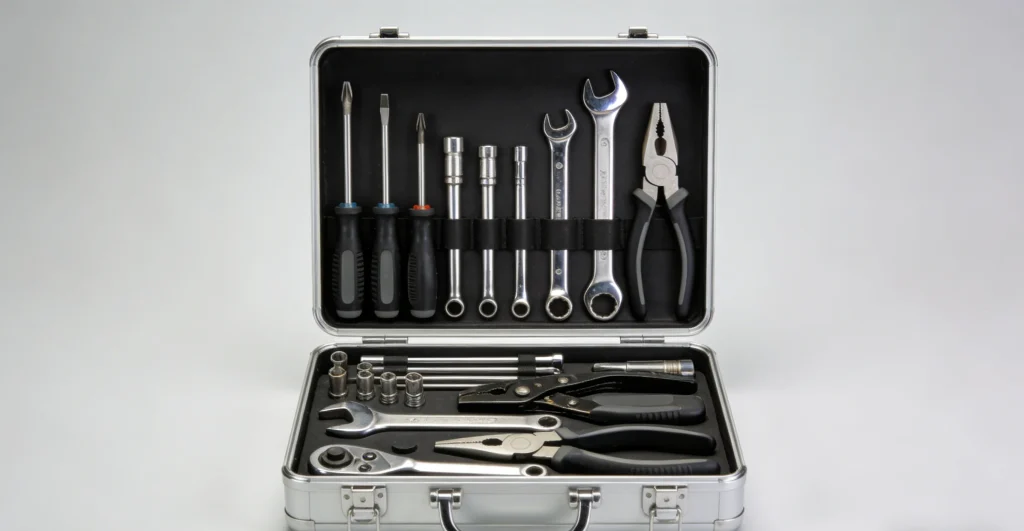
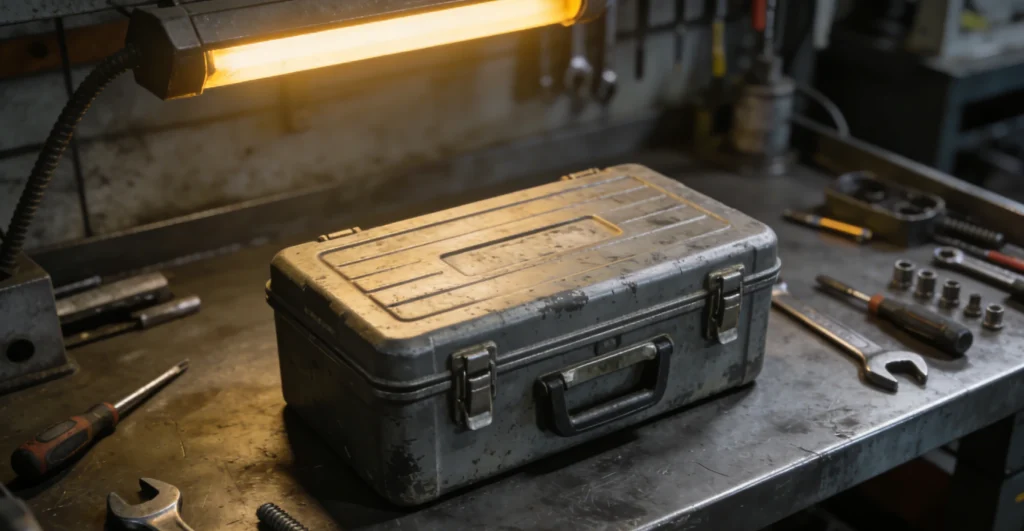
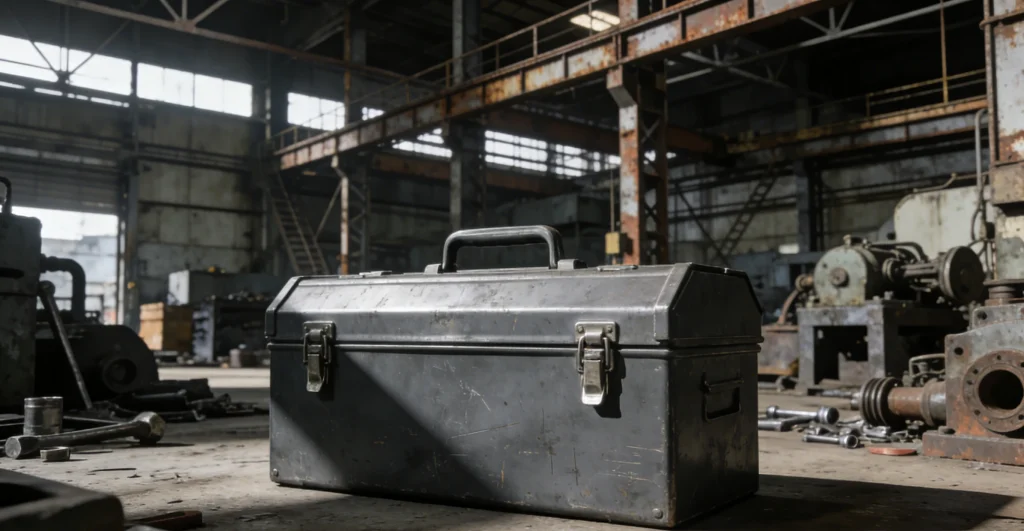
As you buy more and more tools, a small tool box can quickly run out of space. When it is time to upgrade to a large tool box, there are quite a few options to consider: metal or plastic? Drawers or a large open compartment? Should it stay in the workshop, or would wheels make it easier to move? Is bigger always better? These are the questions people often struggle with when choosing a large tool box. Choosing the right large tool box is not just about how much it can hold. You also need to think about the number of tools you have, where you use them, and how often you need to take them out.
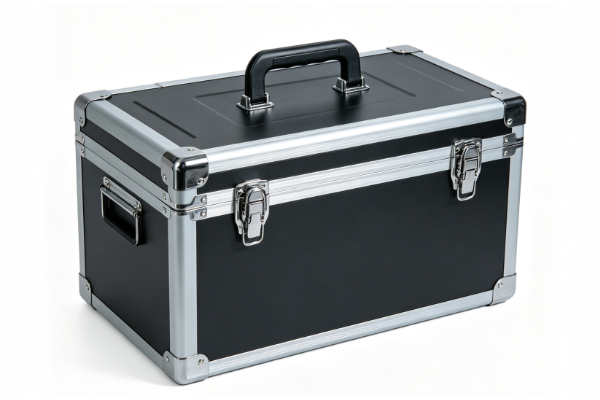
How Much Capacity Should a Large Tool Box Have? Tool Quantity Determines the Size
When choosing a large tool box, don’t immediately go for the biggest size available. Start by looking at how many tools you actually have. If you only have a few sets of common hand tools, an oversized box may simply take up unnecessary space. For repair professionals with many different tools and specifications, it is better to leave some extra room for future additions.
- If you have relatively few tools, a medium-capacity tool box may be enough. There is no need to buy an oversized box.
- If you have complete sets of wrenches, screwdrivers, pliers, and sockets, leave more room for organized storage.
- When you have many different types of tools, don’t just look at total capacity. Check whether the internal areas can be used efficiently.
- If you use power tools, pay attention to the internal height. Drills, chargers, and tool accessories usually take up more space than standard hand tools.
- Professional repair workers should leave some extra capacity for future tools instead of having to replace the tool box as soon as their collection grows.
There is also a practical way to check whether a large tool box has enough capacity: put all your most frequently used tools inside and see whether there is still some spare room. If everything is already packed tightly, the box will usually become more difficult to organize over time.
What Material Should You Choose for a Large Tool Box? Metal, Aluminum Alloy, or Plastic?
The material directly affects the weight, load capacity, and service life of a tool box. Home users and DIY enthusiasts may care more about portability, while workshop repair workers often place greater importance on durability. If the tools themselves are heavy, the strength of the tool box should not be overlooked.
- Steel tool boxes: Strong and durable, making them suitable for heavy wrenches, sockets, and mechanical tools.
- Aluminum alloy tool boxes: Relatively lightweight and suitable for users who need to carry or transport their tools.
- ABS and other plastic tool boxes: Lightweight and convenient for everyday DIY projects and home repairs.
When the tools are heavy, don’t judge the material only by the appearance of the box. Check the bottom panel, connection points, and handle structure as well. For a large tool box, stability when fully loaded is often more important than how light it feels when empty.
Should You Choose a Large Tool Box with Drawers? How Do You Know What Works for You?
This is something many people don’t think about carefully before buying. Once a large tool box is fully loaded, having only one large open compartment may give you plenty of capacity but still make it difficult to find the right tool. A tool box with drawers allows wrenches, sockets, screwdrivers, and small accessories to be stored separately, making it more suitable for people who use their tools frequently.
If most of your tools stay beside a fixed workbench, a multi-drawer tool box can be a practical choice. Frequently used tools can go in the upper drawers, heavier tools can be stored lower down, and small accessories can be separated for easier access.
If you often take your tools to different locations, weight and portability become more important. A large tool box with a handle is convenient to carry, while a mobile tool box is better for people with many tools who need to move between different workstations in a workshop. Don’t focus so much on capacity that you end up with a tool box that can hold everything but is too heavy to move.
What Else Should You Check When Choosing a Large Tool Box? Don’t Ignore Load Capacity, Casters, and Internal Layout
When buying a large tool box, many people focus only on size and price. After using it for a while, they may discover that the drawers stick, the casters wobble, or the box becomes unstable when loaded with tools. For repair workers who use their tools every day, these small differences become much more noticeable. Besides capacity and material, the following details are also worth checking carefully:
- Smooth drawer slides: Drawers are opened and closed repeatedly every day. If the slides stick, the tool box becomes frustrating to use, and having more storage space will not improve efficiency.
- Sufficient drawer load capacity: Sockets, wrenches, and pliers can be surprisingly heavy. Storing too many metal tools in one drawer puts continuous stress on both the slides and the box structure.
- Check the casters and brakes on mobile models: A fully loaded tool box can become much heavier. Small casters or poor steering can make it difficult to push.
- The handle should stay firmly in place, especially for mobile tool boxes that are frequently pushed around. The connection points need to be solid.
- Make good use of the internal space. A large open compartment may look spacious, but if all the tools are piled together, it can still become messy and difficult to use.
For a large tool box that stays in a workshop, stability and efficient use of internal space deserve more attention. If the box needs to move between different workstations every day, casters, brakes, and the push handle become more important. When storing heavy tools, the bottom should have sufficient structural support to reduce the risk of deformation during long-term use.
Choosing a large tool box is actually quite simple: more tools mean you need more capacity, heavier tools require better load capacity, frequent movement calls for reliable casters and handles, mixed tool types require better internal organization, and long-term use makes material and structural quality more important. For basic home repairs, there is no need to automatically choose a large professional model. For automotive repair, mechanical maintenance, equipment servicing, or workshop use, it makes more sense to consider capacity, drawers, load capacity, and mobility together. The right tool box is not simply one that holds everything—it should also make everyday tool access easier and more efficient.