Many items in everyday life require assembly, adjustment, fastening, or basic maintenance. Common examples include assembling furniture, replacing hardware accessories, repairing small objects, adjusting bicycles, and handling temporary fastening tasks. Although these activities usually do not require complex professional equipment, having the right tools can make the process much easier. When screwdrivers, wrenches, pliers, and measuring tools are stored in different locations, users may have difficulty finding the right equipment or may lose small accessories. A mini toolbox can keep commonly used small tools together and be configured according to daily requirements. It is suitable not only for household repairs but also for electronic equipment maintenance, handicrafts, outdoor activities, and emergency tasks. With its compact size, flexible storage design, and broad application potential, a mini toolbox has become a practical tool management solution for homes and individuals.
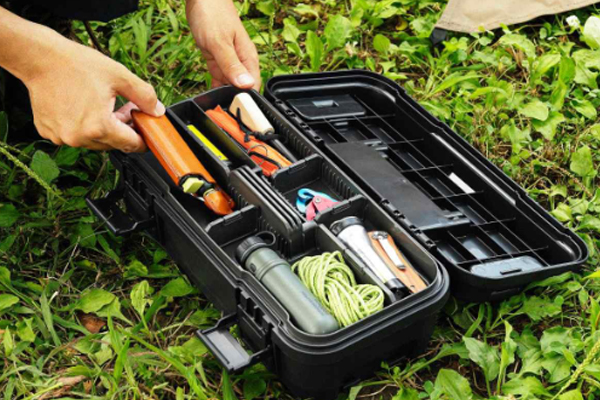
Mini Toolboxes Are Suitable for Furniture Assembly and Home Adjustments
Furniture assembly is one of the most common applications of mini toolboxes in daily life. After new furniture arrives, users may need screwdrivers, hex keys, small wrenches, and other tools to complete the assembly process. During long-term use, connecting components on tables, chairs, cabinets, shelves, and bed frames may become loose and require tightening or adjustment. A mini toolbox can be prepared with suitable assembly tools, allowing users to handle furniture-related tasks without searching for different tools in multiple locations. For people who frequently change their home layout or enjoy assembling furniture themselves, a compact toolbox can help keep commonly used assembly tools organized.
In addition to furniture assembly, a mini toolbox can also support various small adjustment tasks around the home. These may include adjusting cabinet hinges, installing curtain accessories, tightening drawer handles, replacing door hardware screws, and installing simple storage fixtures. The tools required for these tasks are usually small enough to fit inside a compact toolbox. Users can configure a set of screwdrivers, hex tools, tape measures, and small pliers according to their furniture types and hardware requirements, making the toolbox a practical solution for everyday household maintenance.
Mini Toolboxes Can Be Used for Electronic Equipment and Small Item Maintenance
Basic maintenance of electronic products and small devices may require precision screwdrivers, tweezers, plastic pry tools, and small gripping tools. A mini toolbox can provide dedicated storage for these small tools, reducing the chance of equipment being scattered across desks or inside drawers. Users who frequently handle computer accessories, keyboards, remote controls, lighting equipment, and other small items can choose a toolbox with divided compartments or precision tool slots. This arrangement makes different tools easier to identify and access.
Tool size and compatibility are particularly important during electronic equipment maintenance. Different devices may use different screw specifications and connection structures. Users should select appropriate tools according to product instructions and actual maintenance requirements to avoid damaging components with incorrectly sized screwdrivers. A mini toolbox can be organized by tool type, with precision screwdrivers, bits, tweezers, and small cleaning accessories stored separately. When working with power supplies, batteries, internal circuits, or high-voltage components, users should follow the relevant safety requirements. A standard toolbox should not be treated as sufficient protection for unauthorized or unsafe disassembly.
Mini Toolboxes Support Handicrafts and DIY Projects
Handicrafts and DIY projects often require several small tools, including cutting tools, measuring equipment, files, screwdrivers, tweezers, and assembly accessories. A mini toolbox can keep these items together and make them easier to move between different creative work areas. For model making, decorative crafts, small wooden projects, handicraft assembly, and simple modification tasks, tool accessibility and accessory management can influence the overall working experience. Arranging tools according to the order in which they are used can reduce repeated searching and unnecessary reorganization.
DIY tool storage can be adjusted according to the type of project. Common configurations include:
- Model Making: Suitable for storing precision screwdrivers, tweezers, small files, and detail-processing tools.
- Hand Assembly: Can hold small wrenches, screwdrivers, gripping tools, and screw accessories.
- Creative Modification: Suitable for tape measures, cutting tools, marking supplies, and basic fastening tools.
- Small-Scale Woodworking: Can be configured with measuring tools, sanding tools, and suitable hand tools according to project requirements.
- Craft Maintenance: Suitable for storing small connectors, replacement components, and precision tools.
Using a mini toolbox to manage DIY supplies can keep the creative workspace more organized while making it easier to add or replace tools according to project requirements.
Mini Toolboxes Are Suitable for Bicycle Maintenance and Outdoor Activities
Bicycles may require seat height adjustments, handlebar tightening, component fastening, and basic inspections during everyday use. Some maintenance tasks require only hex keys, screwdrivers, and small adjustable wrenches. A mini toolbox can be used to store these tools together. For users who regularly ride bicycles or perform maintenance at home, keeping frequently used tools in one dedicated container can reduce the inconvenience caused by scattered equipment. It is important to note that bicycle components and fastening requirements vary. Users should select compatible tools and follow appropriate procedures during maintenance.
Mini toolboxes can also be used for camping, recreational vehicle travel, garden maintenance, and outdoor handicraft activities. In outdoor environments, users may need to secure small equipment, adjust storage items, replace simple hardware, or complete temporary assembly tasks. A compact toolbox can carry a limited selection of commonly used tools and is suitable for lightweight maintenance that does not require large equipment. When choosing a toolbox for outdoor use, users can consider its wear resistance, closure stability, dust protection, and internal tool retention structure. If the toolbox will be exposed to rain, dirt, or frequent impact, its protective capabilities should be selected according to the actual working environment.
Mini Toolboxes Can Serve as Household Emergency Tool Storage
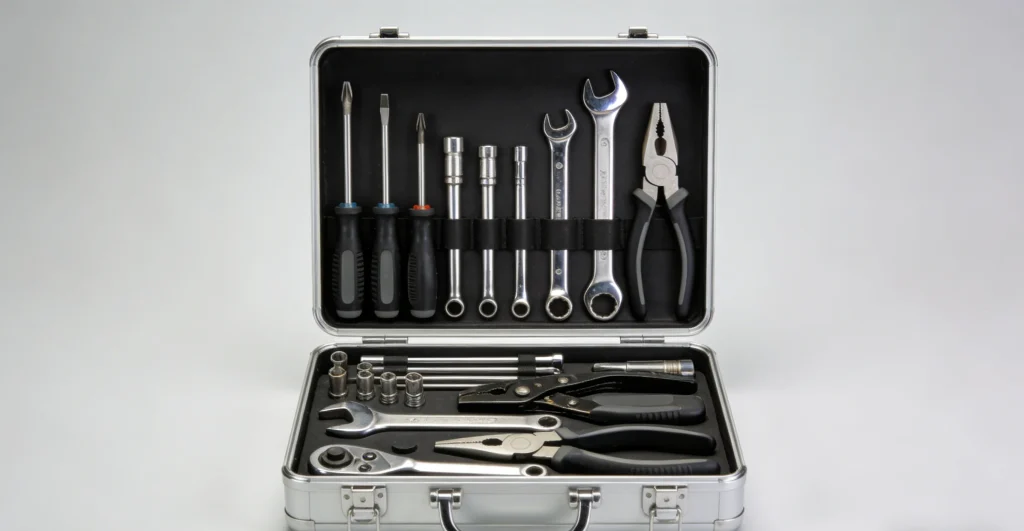
Temporary tool requirements can occur at any time in daily life. Examples include replacing screws, securing loose components, installing small hooks, adjusting furniture connections, or handling basic assembly tasks. A mini toolbox can serve as a centralized storage solution for household emergency tools. Basic screwdrivers, pliers, wrenches, tape measures, and a small selection of spare accessories can be kept in an easily accessible location. When an unexpected task occurs, users can quickly take out the toolbox instead of searching through several drawers and cabinets.
To make a mini toolbox more suitable for emergency use, households can configure basic tools according to their needs and check the condition of the equipment regularly. Common management practices include:
- Checking whether screwdriver handles, plier connections, and wrench surfaces show signs of obvious damage.
- Replenishing commonly used screws, nuts, washers, and other small accessories when necessary.
- Moving rarely used or incompatible tools out of the main storage area to maintain easy access.
- Cleaning the interior of the toolbox regularly to reduce dust and debris.
- Storing the toolbox in a dry, accessible location that is not easily reached by children without supervision.
Establishing consistent inspection and storage habits helps keep the toolbox ready for use and reduces the potential impact of missing or damaged tools.
The applications of mini toolboxes in daily life are not limited to basic household repairs. Furniture assembly, basic electronic equipment maintenance, DIY projects, bicycle servicing, outdoor activities, and household emergency tasks can all benefit from different tool combinations. A compact body helps keep small tools together, separate compartments improve tool management, and flexible configurations allow the toolbox to adapt to different lifestyles. When selecting a mini toolbox, users should consider the number of tools, frequency of use, storage environment, and specific tasks involved. The size, internal structure, material, and closure mechanism should all match the intended application. With proper configuration and regular maintenance, a mini toolbox can become a practical storage product that makes everyday tools easier to manage and access.