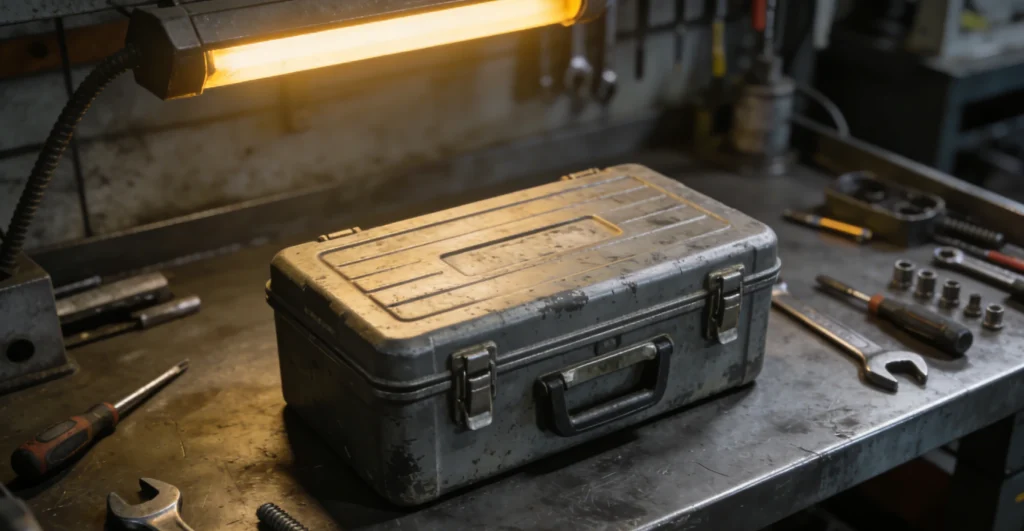
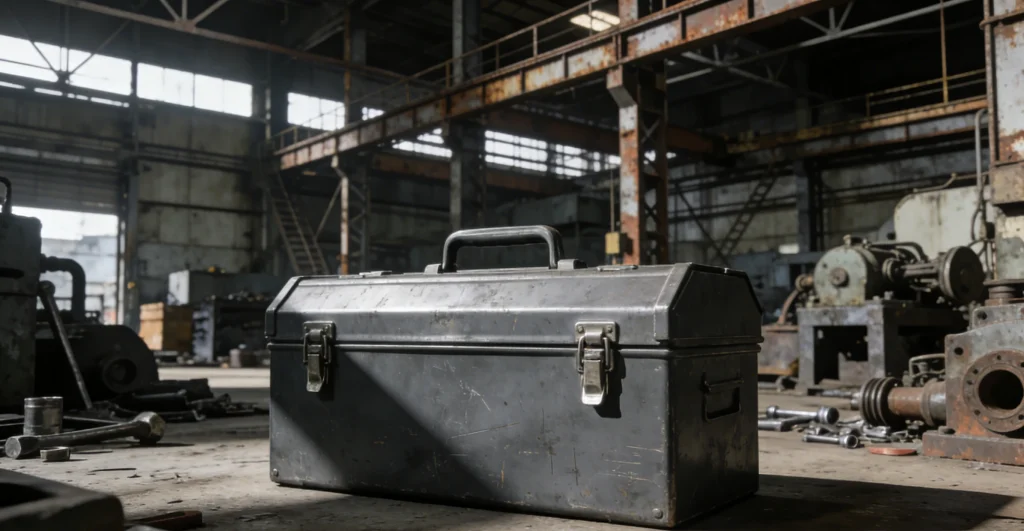
Limited storage space is a common problem in homes, offices, workshops, and workbenches. When screwdrivers, wrenches, pliers, measuring tools, and small accessories are placed randomly in drawers or cabinets, they can easily become difficult to find and may occupy more space than necessary. A mini toolbox provides a practical solution through its compact structure, internal compartments, layered design, and flexible storage methods. By selecting a suitable toolbox size and arranging tools according to their shapes, usage frequency, and storage requirements, users can improve space utilization while keeping tools organized and accessible.
Compact Design Helps Reduce Storage Space
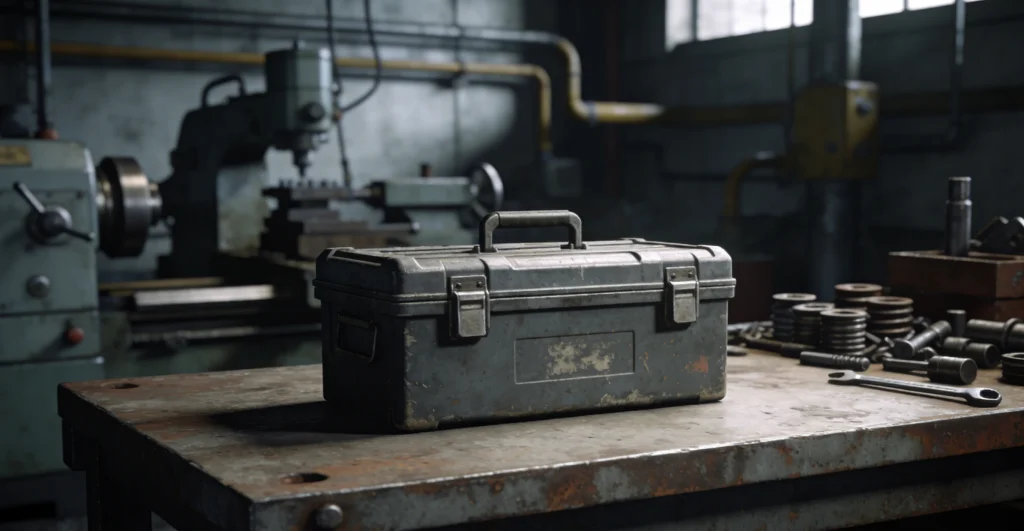
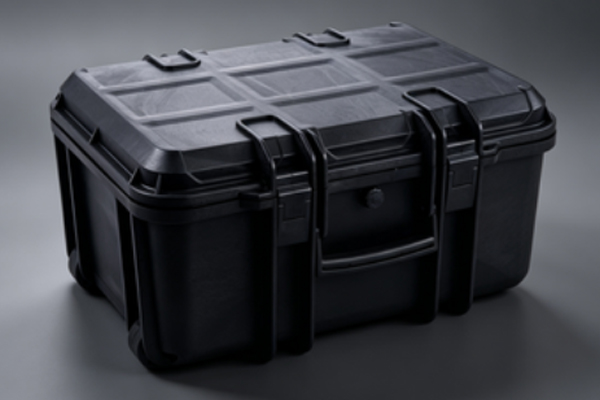
The compact body of a mini toolbox is one of its main advantages in small-space storage. Compared with large tool cabinets or traditional toolboxes, a mini toolbox generally requires less room and can be placed on a desk, shelf, drawer, workbench, or cabinet. When selecting a product, users should consider both external dimensions and internal capacity. The external size determines how much space the toolbox occupies, while the internal structure affects how effectively tools can be stored. A well-designed mini toolbox can reduce unused space through reasonable compartment arrangements and provide enough room for commonly used tools. Users should avoid choosing a toolbox that is too large for their actual needs, as excessive empty space may increase storage pressure and make transportation less convenient.
Plan Internal Storage According to Tool Shapes
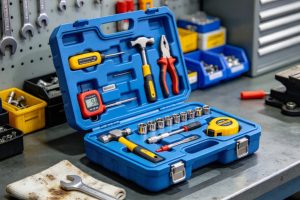
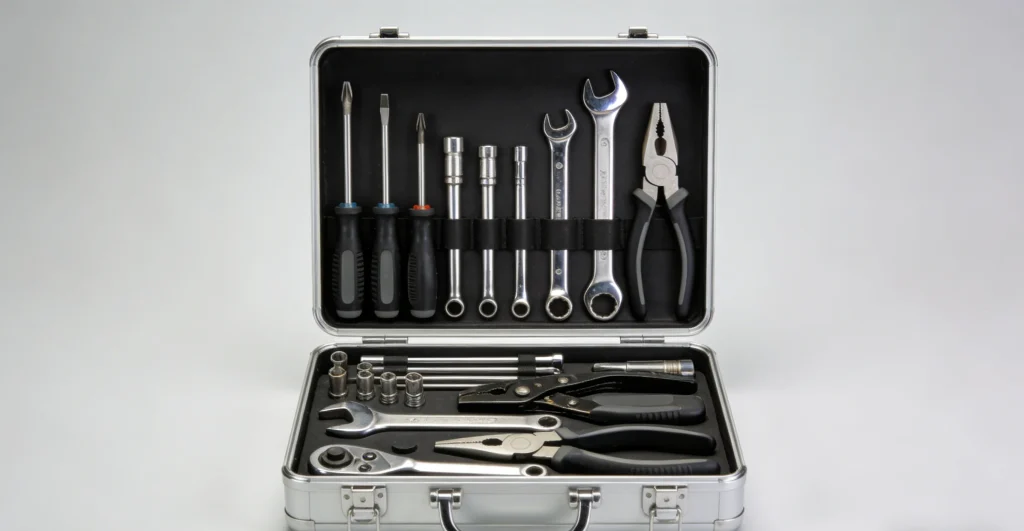
Different tools have different lengths, widths, and shapes, so the internal storage structure should match the characteristics of the tools. Long screwdrivers and hex keys can be placed in narrow slots, while screws, nuts, washers, and other small components are better suited to shallow compartments. Pliers, small wrenches, and measuring tools may require deeper storage areas. When the internal space is arranged according to tool shape, users can reduce overlapping and prevent tools from being mixed together. This approach also makes it easier to locate the required item during maintenance work. For mini toolboxes with removable dividers or adjustable compartments, users can modify the internal layout according to different tool combinations, improving flexibility and storage efficiency.
Use Layered Structures and Vertical Space
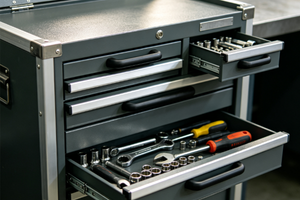
A layered mini toolbox can make better use of vertical space within a compact body. Some products feature removable trays, lid compartments, or double-layer storage structures, allowing users to separate frequently used tools from smaller accessories. The upper layer can hold screwdrivers, measuring tools, or other lightweight items, while the lower section can accommodate heavier tools. This arrangement reduces the need to search through a single crowded compartment and helps maintain a clear storage order. When using a layered toolbox, weight distribution should be considered carefully. Heavy tools should be placed in the lower section to improve stability, while lightweight accessories can be stored in the upper tray or lid compartment. A reasonable layered structure improves storage capacity without significantly increasing the overall footprint.
Combine the Mini Toolbox with Drawers, Cabinets, and Shelves
A mini toolbox does not need to be used independently. It can also be combined with existing drawers, cabinets, storage racks, and workbenches to create a more flexible storage system. Before placing the toolbox in a confined space, users should check the opening direction, handle position, and surrounding clearance. The toolbox should be easy to remove and open without affecting nearby objects. Tools that are used frequently can be stored in an easily accessible location, while less frequently used items can be placed in cabinets or higher shelves. Different storage locations can also be assigned according to work requirements, such as keeping repair tools near the workbench and emergency tools in a fixed household storage area. This arrangement helps reduce unnecessary movement and improves the convenience of daily maintenance.
Reduce Unnecessary Tools and Maintain Regular Organization
Efficient storage depends not only on the toolbox design but also on users’ storage habits. Even a well-structured mini toolbox can become crowded if damaged tools, duplicate items, and unnecessary packaging are stored inside for a long time. Regular organization allows users to maintain available space and adjust the internal layout according to changing needs.
- Check the tools regularly: Review the tools inside the toolbox and identify items that are damaged, outdated, or no longer used.
- Keep frequently used tools: Give priority to tools that are commonly required for household repairs, equipment maintenance, or DIY projects.
- Remove unnecessary packaging: Take out excessive product packaging to reduce wasted space inside the toolbox.
- Separate unsuitable tools: Move tools that are too large, too heavy, or incompatible with the toolbox into a more suitable storage location.
- Adjust the internal layout: Change the position of compartments and dividers when the tool collection changes.
- Clean the toolbox regularly: Remove dust, metal fragments, and other debris to keep the storage area clean and protect the tools.
Regular maintenance helps the mini toolbox retain its storage efficiency over time. When selecting a mini toolbox, users should consider the quantity, size, weight, usage frequency, and types of tools they need to store. A suitable capacity, practical internal layout, and consistent organization habits can help users achieve efficient storage even in limited spaces.