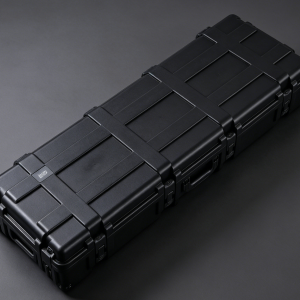
When choosing an industrial toolbox, maintenance toolbox, or outdoor toolbox, both color and material are important factors to consider. Toolboxes made from different materials can vary in color appearance, surface treatment, and customization options. Plastic, steel, and aluminum toolboxes each have their own suitable applications, while color can be selected according to tool management needs, corporate branding, and working environments. So, is toolbox color related to material? How should you choose the right color for different toolbox materials?
Why Is Toolbox Color Related to Material?
Different Materials Present Colors Differently
Toolbox color is not simply a layer added to the outside of a box. Different materials usually require different manufacturing and finishing processes. Plastic toolboxes can have color pigments added during production, allowing the color to become part of the material itself. Steel toolboxes are commonly finished through painting or powder coating, while aluminum toolboxes may use painting, anodizing, or other surface treatment processes.
As a result, even when the same color is selected, toolboxes made from different materials may have different levels of gloss, texture, and visual appearance.
The Working Environment Also Affects Color Selection
Toolbox materials should generally be selected according to the actual working environment, while color should also match the application. Outdoor work may require greater visibility and weather resistance, while industrial workshops may place more emphasis on wear resistance, resistance to oil and dirt, and ease of cleaning.
Color Features of Plastic Toolboxes
More Flexible Color Options
Plastic toolboxes generally offer a wide range of color customization options, including black, yellow, green, orange, and blue. Businesses can select colors according to their brand identity or tool classification requirements.
For bulk purchases, companies can also use different colors to distinguish departments and tool categories. For example, green toolboxes can be assigned to maintenance tools while blue toolboxes are used for electrical tools, creating a more visual tool management system.
Suitable for Color-Based Tool Classification
The color of a plastic toolbox can serve as a visual identification method for tool management. Different colors can be assigned to maintenance, installation, inspection, and repair tools, helping workers quickly locate the equipment they need.
This approach is particularly useful for businesses with multiple workstations or maintenance areas. It can reduce tool mixing and improve tool accessibility.
Suitable for Lightweight Applications
Plastic toolboxes are generally lightweight, making them suitable for maintenance professionals who frequently carry and move their tools. Combined with different color options, they can be used for on-site repair, equipment maintenance, engineering work, and general maintenance applications.
Color Features of Steel Toolboxes
Colors Are Mainly Created Through Surface Coatings
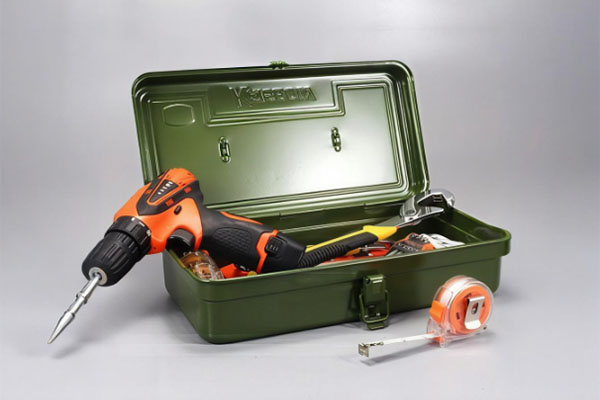
Steel toolboxes are commonly finished through painting or powder coating, allowing manufacturers to provide a wide range of colors. Black, gray, blue, green, and red are among the commonly used options.
Different coating processes can affect the surface appearance as well as wear resistance and maintenance requirements. Therefore, when selecting a steel toolbox, businesses should consider both color and surface treatment quality.
Color and Surface Protection Work Together
For steel toolboxes, surface coatings are not only related to appearance but can also provide protection for the metal surface. When toolboxes are used in industrial environments for extended periods, the appropriate surface treatment should be selected according to working conditions.
If a toolbox is frequently exposed to oil, dust, or metal particles, buyers should also consider whether the surface is easy to clean and how much maintenance it will require over time.
Suitable for Industrial and Workshop Applications
Steel toolboxes generally provide strong structural durability and are suitable for industrial production, equipment maintenance, fixed workstations, and workshop tool management. Businesses can also use different colors to distinguish production areas or tool categories, making tool organization more straightforward.
Color Features of Aluminum Toolboxes
Distinctive Metallic Appearance
Aluminum toolboxes typically have a distinctive metallic appearance, with silver and gray being common options. Some aluminum toolboxes can also be finished in black, blue, and other colors through painting or other surface treatment processes to meet different appearance and branding requirements.
Color Depends on Surface Treatment
Aluminum surfaces can be treated through processes such as anodizing to achieve different colors and surface finishes. The final appearance depends on the material, manufacturing process, and surface treatment method.
For businesses purchasing aluminum toolboxes, it is important to consider not only whether the color matches the brand identity but also the durability of the surface finish and the actual working environment.
Suitable for Equipment and Professional Tool Storage
Aluminum toolboxes are suitable for equipment maintenance, instrument transportation, engineering maintenance, and outdoor operations. For applications that require a combination of tool protection, portability, and a professional appearance, aluminum toolboxes can be a practical option.
How Should You Choose Toolbox Colors for Different Materials?
Prioritize Visibility for Construction and Outdoor Work
If a toolbox is frequently used at construction sites, outdoor maintenance locations, or engineering work areas, highly visible colors such as yellow and orange can be considered. Distinctive colors can help workers locate toolboxes more quickly and reduce the possibility of the toolbox blending into its surroundings.
Match Toolbox Colors with Corporate Branding
For businesses purchasing toolboxes in bulk, colors can be customized according to corporate branding and visual identity. This allows toolboxes to maintain a consistent appearance with workwear, equipment, and other company materials.
Color can also become part of an internal tool classification system. Different colors can represent different departments, equipment types, or work areas, improving the clarity of corporate tool management.
Consider Overall Performance for Industrial Applications
For toolboxes used in industrial environments over long periods, color should not be the only consideration. Material strength, wear resistance, surface treatment, dust protection, cleaning requirements, and internal storage design are also important.
Color can support tool identification and classification, but it should not replace an evaluation of the toolbox’s actual performance. Buyers should select the appropriate material and color based on the specific working environment.
How Should Toolbox Color and Material Be Combined?
Toolbox color is indeed related to material to some extent. Plastic toolboxes generally provide greater flexibility in color selection and are suitable for lightweight tool storage and color-based classification. Steel toolboxes mainly use coatings to achieve different colors and are suitable for industrial workshops and fixed maintenance stations. Aluminum toolboxes emphasize their metallic appearance and are suitable for transporting equipment, instruments, and professional tools.
When choosing a toolbox, businesses should consider color, material, working environment, durability, and storage requirements together. For bulk purchases, toolbox colors, dimensions, structures, and internal configurations can also be customized according to specific applications, creating a tool storage solution that better matches actual workflows and corporate branding.