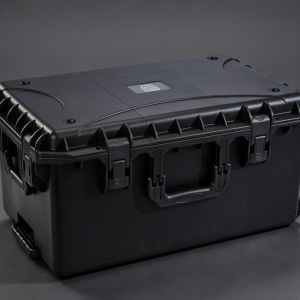
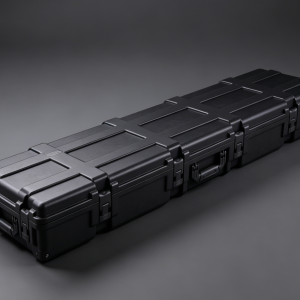
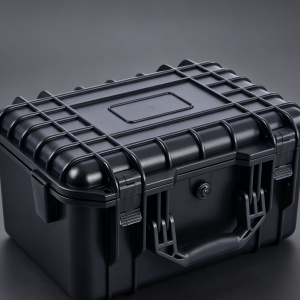
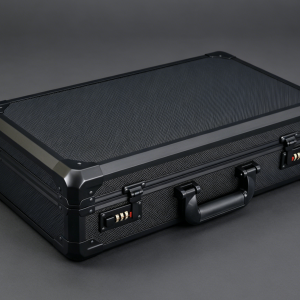
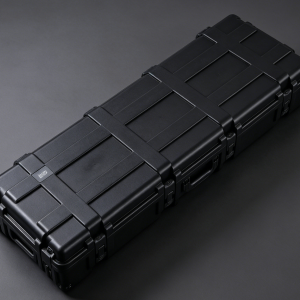
In maintenance workshops, manufacturing plants, equipment service areas, and engineering workspaces, workers often need to manage a large number of tools. When different tools are stored together without a clear system, employees may spend extra time searching for the right tool, while misplaced or missing tools can also affect daily operations. Using toolboxes in different colors provides a simple visual management method. By assigning specific colors to different tools, workstations, or applications, employees can quickly identify the toolbox they need and improve overall workshop efficiency.
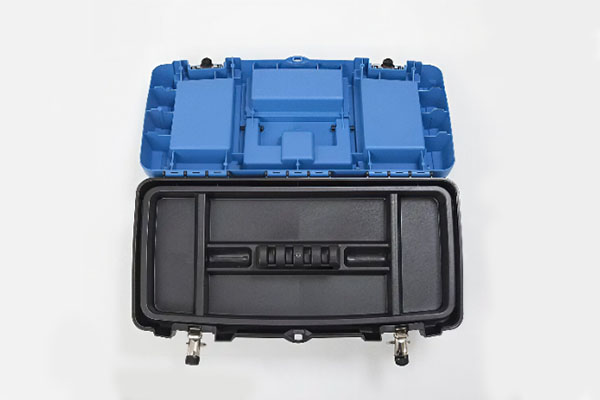
Why Use Different Colors for Toolbox Classification?
Quickly Identify Different Tool Categories
Traditional tool management often relies on labels, numbers, and text descriptions. However, in a busy workshop, employees may need to access tools frequently, and relying only on written labels can take additional time.
Different toolbox colors provide an intuitive visual identification system. For example, blue toolboxes can be assigned to mechanical maintenance tools, yellow toolboxes to electrical maintenance tools, red toolboxes to emergency repair tools, and green toolboxes to inspection and routine maintenance tools. Employees can recognize the toolbox category quickly based on its color.
Reduce Tool Search and Return Time
Color-coded toolboxes help create a simple and consistent tool management system. After completing a task, workers can return tools to the toolbox assigned to the corresponding color, reducing clutter and preventing tools from being placed in the wrong location.
For workshops with many tools and multiple employees, this approach can make tool circulation more organized and efficient.
How to Create a Toolbox Color Classification System?
Classify Toolboxes by Job Role
Toolbox colors can be assigned according to different job roles. For example, mechanical maintenance teams can use one color, electrical maintenance teams can use another, while equipment inspection teams can use a third color.
This method works well in workshops with clearly defined responsibilities. Employees only need to remember the color assigned to their position to quickly locate the tools they commonly use.
Classify Toolboxes by Tool Application
Toolboxes can also be categorized according to their intended applications.
For example:
Blue toolboxes: Mechanical processing and equipment maintenance tools
Yellow toolboxes: Electrical installation and maintenance tools
Red toolboxes: Emergency repair and frequently used tools
Green toolboxes: Inspection, measurement, and routine maintenance tools
Black toolboxes: General-purpose and comprehensive maintenance tools
Companies can adjust the color system according to their own management practices. The key is to establish clear and consistent rules that employees can easily follow.
Classify Toolboxes by Workshop Area
For large manufacturing facilities, toolbox colors can also correspond to different work areas. Different production lines, maintenance zones, or equipment areas can be assigned specific toolbox colors.
This approach allows workers to quickly identify where a toolbox belongs and helps supervisors conduct inventory checks more efficiently.
Combine Toolbox Colors with Labels
Use Color for Quick Identification
The main advantage of color classification is fast visual recognition. Workers can identify the general purpose of a toolbox from a distance, which is especially useful in busy production environments where many toolboxes are present.
Use Labels for Precise Identification
Color should not completely replace text labels. When a workshop has a large variety of tools, additional information such as job role, tool type, toolbox number, or QR code can be added to the toolbox.
For example, a yellow toolbox can be labeled “Electrical Maintenance” and assigned a unique toolbox number. This creates a multi-level management system combining color, text, and identification numbers.
Establish Consistent Color Standards
Companies should establish toolbox color standards in advance and avoid assigning the same color different meanings in different areas. Frequent changes to the color system can make tool identification more difficult.
Before implementing color-coded tool management, companies can create a simple color management chart and display it in a visible location within the workshop.
How Can Color Management Improve Workshop Efficiency?
Assign Fixed Storage Locations
Color classification works best when every toolbox also has a fixed storage location. Storage areas can be organized according to production lines, workstations, or job roles.
When toolbox colors correspond to specific locations, employees can follow a simple process: identify the color, find the location, and retrieve the tools.
Establish a Tool Return System
Tools should be counted and returned to their designated toolboxes after use. Color classification helps employees identify which toolbox the tools belong to and reduces the possibility of tools being mixed between different workstations.
For frequently used tools, daily or shift-based inspections can also be introduced to identify missing or damaged tools in time.
Consider Customized Toolbox Solutions
Different workshops have different requirements for toolbox dimensions, structure, color, and internal organization. Customized toolboxes can be designed according to the quantity and type of tools being stored, while colors can be selected to match the company’s management system.
For businesses that need consistent brand identification, toolbox customization can also incorporate corporate colors, logos, and identification numbers. This allows toolbox management to become part of the company’s overall workplace management system.
What Else Should Be Considered When Choosing Toolbox Colors?
Toolbox color is not only related to classification but also needs to match the working environment. In workshops with limited lighting, highly visible colors may make toolboxes easier to identify. For outdoor maintenance operations, toolbox colors should also provide sufficient visibility against different backgrounds.
Companies should also consider dust, grease, and cleaning requirements. Different colors can make dirt and stains more or less noticeable, so toolbox colors should be selected according to the actual working environment and maintenance conditions.
Build a More Efficient Workshop Tool Management System
Different colored toolboxes are more than a visual design choice. They can become part of an effective workshop tool management system. By classifying toolboxes according to job role, tool application, or work area, and combining color coding with fixed storage locations, labels, identification numbers, and regular inventory checks, companies can create a clearer and more efficient tool management process.
For businesses involved in equipment maintenance, manufacturing, repair, and field service operations, a well-planned toolbox color system can reduce tool search time, improve tool return and inventory efficiency, and keep the workplace more organized. Combined with suitable toolbox structures and customization options, color-coded toolboxes can provide a practical solution for different workshop management requirements.