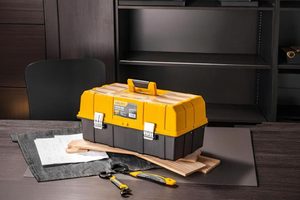
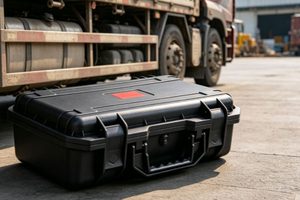
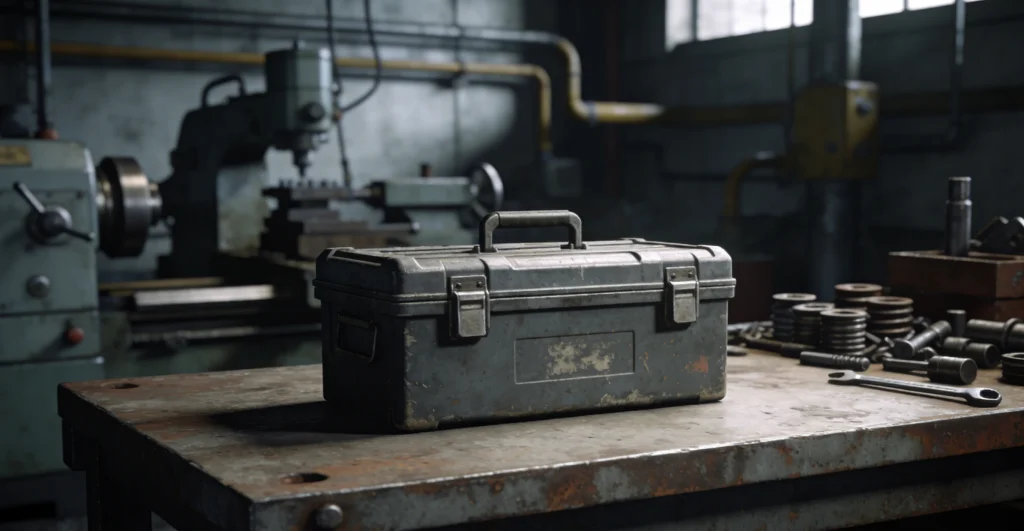
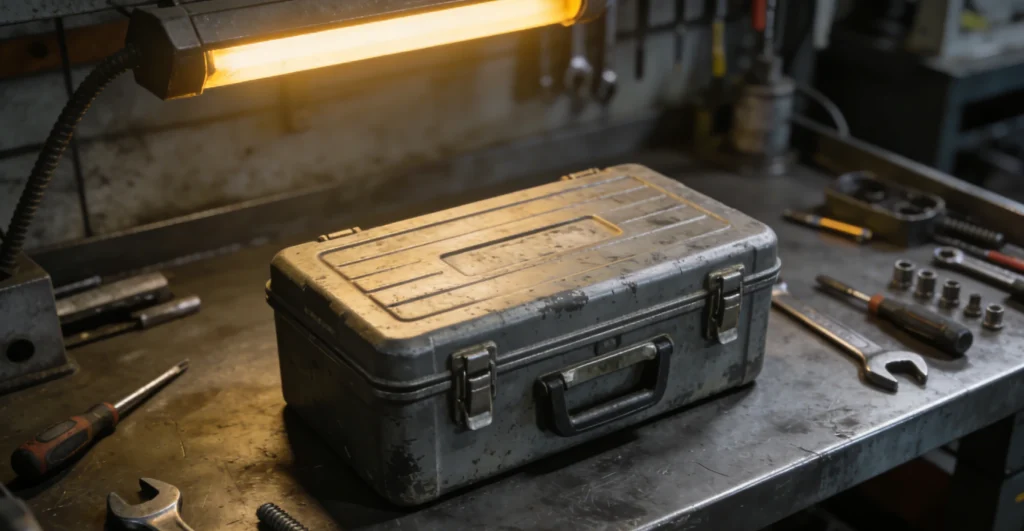
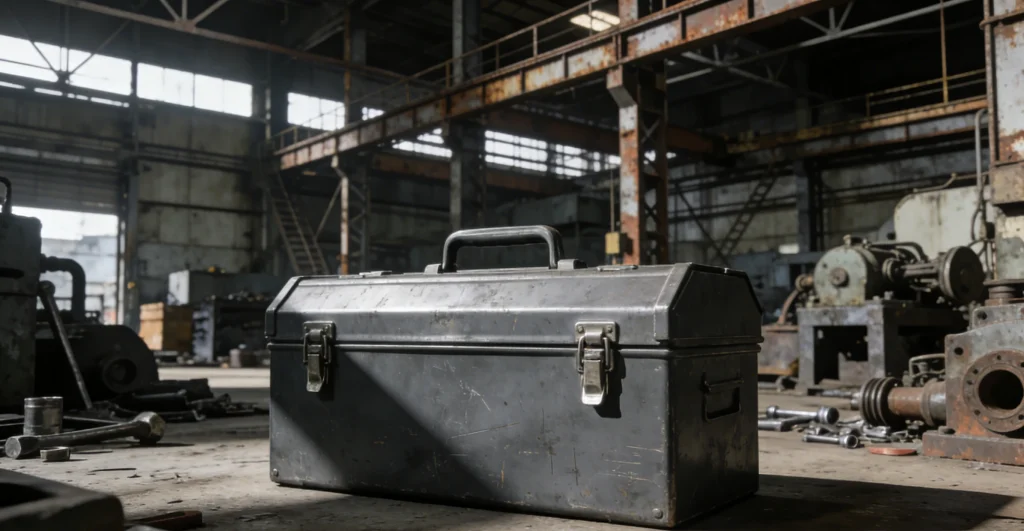
An ABS mini toolbox is a compact tool storage product made from ABS engineering plastic. It is commonly used for household repairs, electronic maintenance, DIY projects, equipment servicing, and portable tool management. ABS materials offer good rigidity, impact resistance, and processing performance, making them suitable for producing compact and well-structured mini toolboxes. Compared with large tool cabinets, an ABS mini toolbox is more suitable for storing a limited number of commonly used tools and can be placed on workbenches, inside drawers, storage cabinets, or vehicle trunks. With a suitable combination of dimensions, handles, latches, dividers, and internal storage areas, users can create an organized tool storage system within a compact space. For users who frequently move their tools or prefer to keep frequently used equipment in a dedicated storage unit, an ABS mini toolbox can provide a practical solution.
ABS Mini Toolboxes Offer Good Structural Strength
ABS materials provide a certain level of rigidity and impact resistance, helping create a stable toolbox structure. During everyday transportation, tools may be exposed to minor impacts, pressure, or movement. A structurally stable toolbox can provide better protection for the tools inside. ABS also offers good processing performance, allowing manufacturers to add reinforcing ribs, strengthened edges, and reinforced connection areas according to the intended use of the toolbox. This allows the box to maintain a compact size while providing suitable structural stability. For users who need to carry screwdrivers, pliers, wrenches, and other metal tools, the strength of the toolbox body can directly affect long-term usability. When selecting an ABS mini toolbox, users can inspect the wall thickness, edge structure, hinge connections, and handle mounting points rather than judging product quality based only on appearance. A well-designed structure can reduce the risk of deformation during frequent opening, closing, and transportation, making the toolbox more suitable for regular long-term use.
ABS Materials Are Suitable for Lightweight and Well-Formed Mini Toolboxes
ABS materials have good molding properties, allowing manufacturers to produce toolbox shells with precise dimensions and clearly defined structures. Since mini toolboxes need to provide sufficient internal storage within a limited external volume, the design needs to balance overall dimensions with usable capacity. ABS can be molded into different shell shapes, frames, and storage structures, allowing manufacturers to create compact products. For household users, a small toolbox can fit inside drawers, cabinets, or shelves. For maintenance workers, it can be placed directly on a workbench or carried to different work locations. The lightweight body can also reduce the physical effort required for transportation, making it suitable for applications where users only need to carry a small selection of tools. A toolbox does not necessarily need to be large to be useful. The appropriate size should match the actual number and dimensions of the tools so that the tools are not overcrowded while unnecessary storage space is avoided.
ABS Mini Toolboxes Can Use Flexible Internal Storage Designs
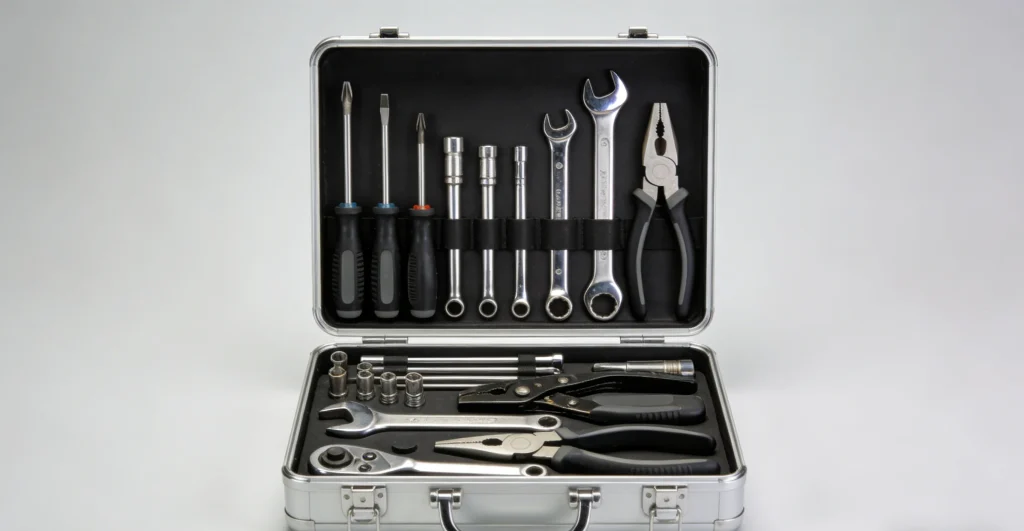
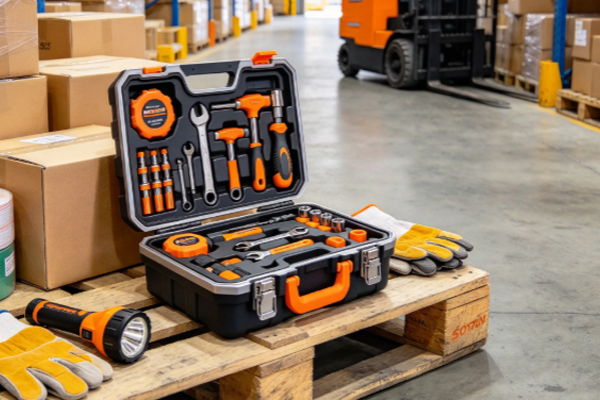
The practical performance of a mini toolbox is closely related to its internal structure. An ABS toolbox can incorporate trays, dividers, tool slots, and individual compartments to organize tools of different sizes. Long-handled screwdrivers can be placed in dedicated slots, while small wrenches and pliers can be stored in the main compartment. Screws, nuts, and washers can be separated into individual sections. A suitable compartment design prevents tools from being piled together and makes it easier for users to check whether all required tools are present. For users who frequently change their tool combinations, removable dividers can provide greater flexibility when adjusting the storage space. Common storage configurations can include:
- Tool slots: Used to hold screwdrivers, hex keys, and other elongated tools, reducing unnecessary movement inside the toolbox.
- Individual compartments: Suitable for screws, nuts, washers, wire terminals, and other small components.
- Upper tray: Can hold frequently used small tools and make them easier to access.
- Main storage compartment: Suitable for pliers, adjustable wrenches, and other relatively larger hand tools.
- Lid storage area: Some designs use the inside of the lid to provide additional storage space and improve overall capacity.
Different users have different tool combinations, so the internal structure should not focus only on the number of compartments. The dimensions of the tools and their usage frequency should also be considered. A well-designed ABS mini toolbox can provide clearer tool organization and make it easier to adjust the storage layout according to specific work requirements.
ABS Mini Toolboxes Are Suitable for Portable Tool Management
ABS mini toolboxes are suitable for users who need to move tools between different locations. Maintenance workers can place the tools required for the day’s tasks inside the toolbox and carry them directly to the work area. Household users can keep the toolbox in a storage area and move it to the required location when repairs are needed. DIY enthusiasts can also store the tools required for a particular project together and return them to the toolbox after completing the work. The handle, lid, and latches are important components of portable toolbox design. A strong handle can improve carrying stability, while reliable latches can reduce the possibility of the lid opening unexpectedly during transportation. When the toolbox contains several metal tools, weight distribution should also be considered to prevent excessive weight from being concentrated on one side. ABS mini toolboxes are generally suitable for light-duty and medium-intensity everyday tool management. For heavy tools or specialized industrial environments, users should select products according to their load capacity and actual operating conditions.
ABS Mini Toolboxes Are Convenient to Maintain in Daily Use
During long-term use, toolboxes can come into contact with dust, oil, metal particles, and other debris. Therefore, ease of cleaning is also an important consideration. ABS surfaces are generally relatively smooth, making routine cleaning possible with a soft damp cloth followed by proper drying when necessary. The inside of the toolbox should also be checked regularly for metal fragments, dust, or moisture and cleaned promptly. Tools should be kept dry before being returned to the toolbox to avoid storing damp items in an enclosed space for long periods. During everyday use, fixed tool locations, regular inspections, and organized storage can help maintain the toolbox in good condition.
Daily management can include the following practices:
- Regularly inspect the toolbox for cracks, obvious deformation, or loose connection points.
- Remove dust, metal particles, and other debris to keep the storage space clean.
- Check the connection condition of the handle and latches and address any abnormality promptly.
- Do not exceed the load capacity specified for the product, as long-term overloading may affect the toolbox structure.
- Avoid prolonged exposure to extreme heat, strong sunlight, or environments unsuitable for ABS materials.
- Adjust the internal layout according to tool usage frequency and keep frequently used tools easily accessible.
By combining engineering plastic with a compact structural design, an ABS mini toolbox can provide a balance of structural stability, portability, and organized tool storage. It can be used for household repairs, electronic maintenance, DIY projects, equipment servicing, and everyday tool management. When selecting a product, users can consider the quality of the ABS material, toolbox wall thickness, internal structure, latch design, handle strength, and actual load capacity. For users with a limited number of tools, frequent transportation requirements, or restricted storage space, an appropriately sized ABS mini toolbox can provide a convenient solution for everyday tool organization.