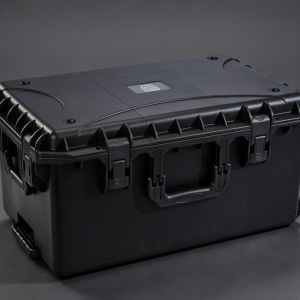
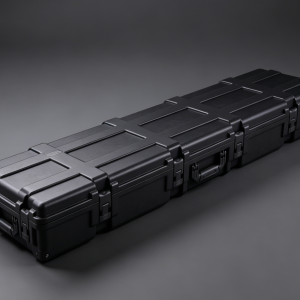
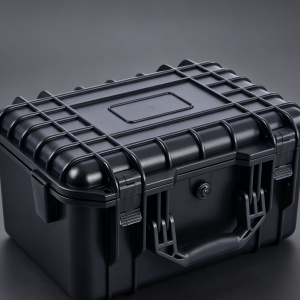
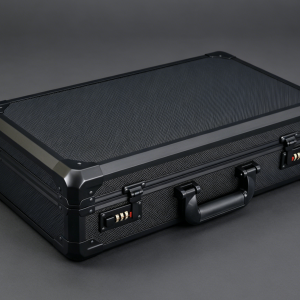
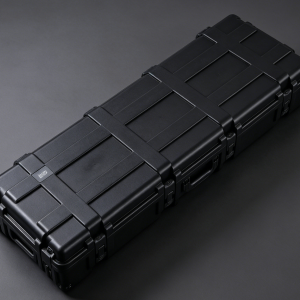
When businesses purchase tool boxes, they often focus on materials, capacity, structural design, protection, and service life. Tool box color, however, is often considered only an appearance feature. In reality, for maintenance teams, engineering companies, automotive service centers, and equipment maintenance businesses, a tool box can serve not only as a practical storage and transport solution but also as part of the company’s visual brand identity.
Consistent tool box colors can be coordinated with company logos, uniforms, service vehicles, and working environments. When businesses purchase tool boxes in large quantities, selecting suitable colors and adding customized branding can improve tool management while creating a more consistent and professional brand image. Siphia Tool Box supports customization options such as colors, logos, and interior configurations, allowing businesses to develop tool boxes according to their specific requirements.
Why Do Tool Box Colors Affect Brand Image?
Creating a Consistent Visual Identity
Color is an important element of a company’s visual identity. If a business already has a defined brand color, using the same or a similar color for its tool boxes can create visual consistency across maintenance equipment, service vehicles, and employee gear.
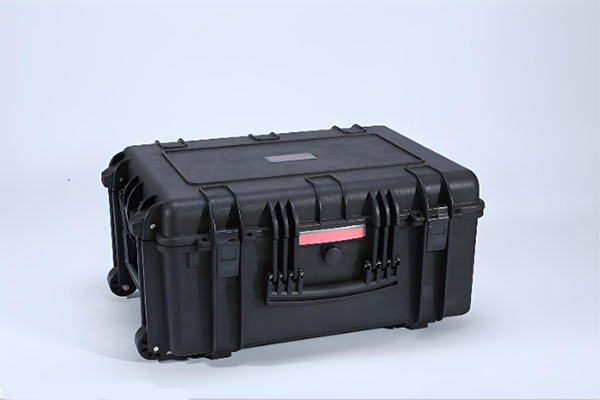
For example, a company can choose its brand blue as the main tool box color and combine it with black edges. Another option is a black tool box with brand-colored handles or latches. These designs do not require major changes to the tool box structure but can significantly improve overall visual consistency.
Enhancing a Professional Appearance
Different colors create different visual impressions. Black, dark gray, and dark blue are commonly suitable for industrial maintenance, automotive servicing, equipment repair, and other professional applications because they create a stable and professional appearance.
For businesses, using tool boxes with consistent colors can reduce visual differences between products and create a more organized appearance for maintenance teams. In automotive service centers, for example, customized tool boxes can become part of the overall service team’s professional image.
Supporting Tool Classification
Tool box colors can also be integrated into internal management systems. Businesses can establish color-coding systems based on departments, job roles, or tool categories.
For example, blue tool boxes can be used for electrical maintenance tools, red for mechanical repair tools, and yellow for emergency maintenance equipment. A simple color identification system can help employees quickly locate the required tool box and reduce the risk of tools being mixed between different teams.
What Should Businesses Consider When Customizing Tool Boxes?
Customizing Exclusive Brand Colors
When purchasing tool boxes in bulk, businesses can customize colors according to their brand identity. Compared with standard black, silver, or gray products, customized colors can create a stronger and more recognizable corporate visual style.
Before production, businesses should define the exact color requirements. Simply specifying “blue,” “red,” or “dark gray” may not be enough to guarantee color consistency because each color can have different shades and tones. For businesses with strict branding requirements, providing a standard color code, color card, or physical sample can help manufacturers confirm the desired result.
Adding Logos and Brand Information
In addition to color customization, businesses can add logos, text, identification numbers, or equipment information to the surface of tool boxes.
For automotive repair, engineering maintenance, and after-sales service teams, a consistent logo design can connect tool boxes with the company’s overall service image. Labels and identification numbers can also be incorporated into the design to help businesses identify tools according to employees, departments, or equipment.
Adjusting Colors According to Application Scenarios
Customizing tool boxes does not necessarily mean using exactly the same color for every product. Companies with multiple departments can use different colors while maintaining an overall brand identity.
For example, the main corporate color can be used as the primary brand color, while different departments can use complementary or different shades. This approach maintains brand consistency while supporting tool classification and workplace management.
What Factors Should Be Considered for Tool Box Color Customization?
Material and Surface Treatment
The same color may produce different visual effects when applied to aluminum, plastic, or other materials. Aluminum tool boxes, for example, can achieve different color finishes through processes such as painting, powder coating, or anodizing. Different surface treatments can also affect the appearance, texture, wear resistance, and color stability of the finished product.
Working Environment
If tool boxes are frequently used for outdoor maintenance, construction projects, or mobile services, both color and environmental conditions should be considered. Bright red, orange, and yellow are generally easier to identify quickly, while black and dark gray may be more suitable for many industrial and maintenance environments.
For tool boxes used outdoors over long periods, businesses should also consider weather resistance and surface durability to help reduce noticeable fading or surface aging caused by prolonged exposure to sunlight.
Bulk Purchasing and Color Consistency
When ordering tool boxes in large quantities, businesses should confirm the color standard and production sample before mass production. Colors displayed on computer screens can vary depending on the device, lighting conditions, and display settings, so screen colors should not be treated as the only production reference.
A practical process is to confirm the brand color code, determine which parts of the tool box will use the color, select the appropriate surface treatment, approve a sample, and then proceed with mass production. This can help minimize color differences between production batches.
Why Should Businesses Consider Customized Tool Boxes?
The value of customized tool boxes is not simply about making products look different. A well-planned color design can support brand presentation, tool classification, team management, and workplace identification at the same time.
For automotive after-sales service centers, engineering maintenance companies, industrial equipment maintenance teams, and businesses that need to equip employees with tool boxes in bulk, consistent colors, logos, and identification numbers can make tool boxes part of a standardized management system.
Combined with EVA foam inserts, dividers, labels, and other interior configurations, customized tool boxes can further improve tool organization and management efficiency.
Therefore, businesses can consider color customization as part of the overall tool box design rather than simply an aesthetic feature. By combining brand colors, logos, tool classification requirements, and actual working environments, companies can develop professional tool boxes that balance functionality with brand identity.
Tool box color affects more than the appearance of a product. It can also contribute to corporate visual identity and daily tool management. For individual users, color selection can mainly be based on personal preferences and the working environment. For business procurement, however, companies can also consider brand colors, logos, department classification, application scenarios, and color consistency during bulk production.For businesses that need tool boxes for long-term use or large-scale procurement, it is worth planning color and branding customization alongside product functionality. Through standard color codes, sample approval, and appropriate surface treatment processes, businesses can create tool boxes that combine practical performance with a consistent and professional brand image.