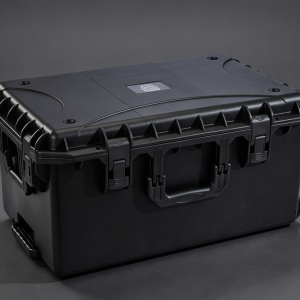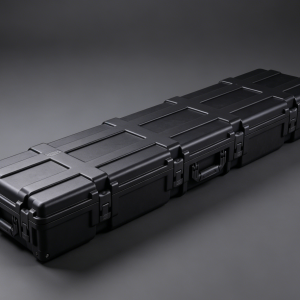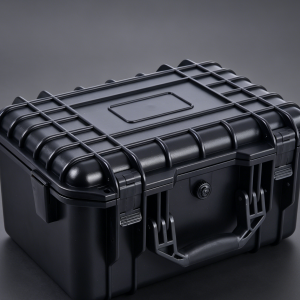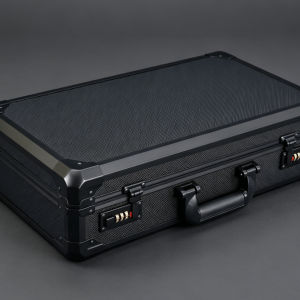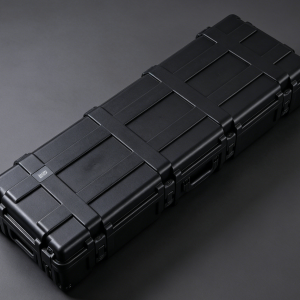
Toolboxes are widely used for home repairs, automotive maintenance, construction, engineering, and industrial operations. Different applications have different requirements for toolbox size, storage capacity, and internal organization. A toolbox that is too small can cause tools to become crowded and difficult to access, while an oversized toolbox may add unnecessary weight and make transportation more difficult. Choosing the right toolbox size therefore requires consideration of tool quantity, tool dimensions, frequency of use, and the working environment.
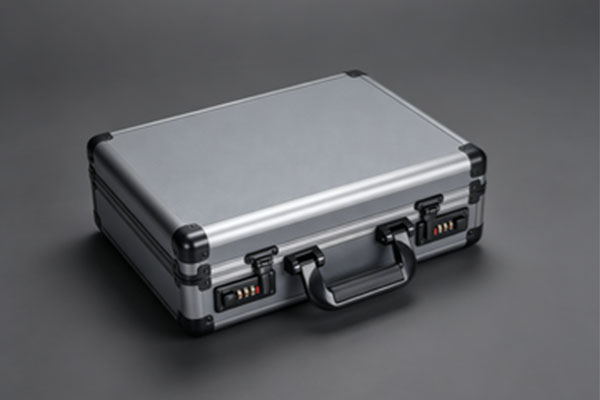
What Dimensions Should You Consider When Choosing a Toolbox?
External Dimensions
The external dimensions of a toolbox usually include length, width, and height. These measurements mainly affect transportation, portability, and storage location.
For example, if the toolbox needs to be stored in a vehicle trunk, the available space inside the vehicle should be measured in advance. If the toolbox will remain near a workbench, its overall footprint may be more important.
A toolbox with larger external dimensions usually provides greater storage capacity, but it also occupies more space. Therefore, choosing the largest possible toolbox is not always the best solution.
Internal Dimensions
Internal dimensions determine how much usable space is actually available for tools and are one of the most important factors when selecting a toolbox.
The thickness of the toolbox walls, reinforcement structures, trays, dividers, and foam inserts can all reduce the usable interior space. As a result, two toolboxes with similar external dimensions may have noticeably different internal capacities.
Before purchasing, check the internal length, width, and height and compare them with the dimensions of the tools that need to be stored.
Usable Storage Space
In addition to length, width, and height, the internal layout also affects the practical storage capacity of a toolbox.
Trays, dividers, drawers, and modular inserts can make better use of the available space and keep different types of tools organized. A well-designed interior reduces tool stacking and makes it easier to locate tools quickly.
What Toolbox Size Is Suitable for Home Repairs?
Small Toolboxes
Basic home maintenance usually involves screwdrivers, pliers, wrenches, hammers, tape measures, and other everyday tools. A small toolbox is generally sufficient for these requirements.
Small toolboxes are lightweight and take up less space. They can easily be stored in cabinets, storage rooms, or vehicles, making them suitable for households that only perform occasional repairs.
Medium Toolboxes
If a household has a more complete collection of maintenance tools, including different sizes of wrenches, socket sets, screwdrivers, electrical tools, and compact power tools, a medium toolbox may be a better choice.
Medium toolboxes offer a practical balance between storage capacity and portability. They are suitable for users who frequently perform furniture repairs, home improvement projects, and DIY work.
What Toolbox Size Is Suitable for Automotive Repair?
Choose According to the Number of Repair Tools
Automotive repair typically requires sockets, ratchet wrenches, torque wrenches, screwdrivers, pliers, and various inspection tools.
These tools can be numerous, and some may have considerable length. Therefore, a larger internal storage area is often required.
For complete automotive repair tool sets, a medium or large toolbox can provide more suitable storage capacity.
Consider Vehicle Storage Space
If the toolbox will remain in a vehicle trunk, the available storage area should be measured before making a purchase.
A toolbox that is too tall or too wide may take up excessive space and make it difficult to store other equipment. For mobile automotive technicians, rolling toolboxes or portable large toolboxes can make transportation easier.
What Toolbox Size Is Suitable for Construction and Engineering?
Support Multiple Tool Types
Construction and engineering work often involves many different tools, including drills, measuring equipment, wrenches, pliers, screwdrivers, and installation accessories.
Therefore, construction toolboxes generally require sufficient internal capacity and an effective organization system.
Trays and dividers can separate frequently used tools from small components and accessories, making tools easier to locate on busy job sites.
Balance Capacity and Mobility
Construction workers often need to move tools between different areas of a job site. As a result, toolbox selection should not focus on capacity alone.
Overall weight and transportation methods are also important. Rolling toolboxes, toolboxes with telescopic handles, and professional cases with strong handles can improve mobility and make transportation more convenient.
How Should You Choose Toolbox Dimensions for Industrial Applications?
Large-Capacity Toolboxes
Industrial maintenance often requires a large collection of professional tools, including precision wrenches, measuring instruments, power tools, inspection equipment, and maintenance accessories.
Large toolboxes are well suited to these applications because they provide more storage capacity and allow tools to be organized into dedicated compartments.
For companies with specialized equipment, customized toolbox dimensions and internal layouts can also be considered according to the size and quantity of the tools.
Protective Cases for Precision Instruments
When a toolbox is mainly used to store measuring instruments, electronic equipment, or precision inspection devices, storage capacity is not the only consideration.
Protective features are equally important. Custom foam inserts can be designed according to the shape of the equipment, helping keep instruments securely in position and reducing the risk of impact and vibration during transportation.
How Do Different Tool Types Affect Toolbox Size?
Long Tools
Screwdrivers, wrenches, pry bars, and similar tools can be relatively long, so internal length should be carefully considered.
If the internal length is insufficient, even a toolbox with a large overall capacity may not be suitable for storing these tools.
Power Tools
Drills, angle grinders, electric screwdrivers, and similar equipment generally require more internal height, width, and depth.
Additional space may also be needed for batteries, chargers, cables, and other accessories. A toolbox should therefore provide enough clearance for both the main tool and its supporting components.
Precision Equipment
Multimeters, measuring instruments, and other precision devices require not only suitable storage dimensions but also proper protection.
Foam inserts, custom compartments, and cushioning structures can help secure equipment and reduce movement during transportation.
What Else Should You Consider When Choosing Toolbox Dimensions?
Leave Room for Future Tools
Avoid selecting a toolbox based only on the number of tools you currently own.
If you expect your tool collection to grow, leaving some additional storage capacity can prevent the toolbox from becoming too small in the future.
Balance Capacity and Portability
A larger toolbox is not necessarily more practical. For technicians who frequently travel between locations, the balance between storage capacity, weight, and portability is especially important.
Consider the Working Environment
Different environments require different toolbox features.
For indoor home use, storage capacity and compactness may be the main priorities. For outdoor work and construction sites, users may also need to consider dust resistance, water protection, shock resistance, and overall durability.
There is no universal toolbox size suitable for every application. When choosing a toolbox, consider the dimensions and quantity of the tools, the intended application, the available storage area, and future expansion needs. Comparing both external dimensions and usable internal space can help ensure that the toolbox matches actual requirements.The right combination of toolbox dimensions, internal organization, and protective features can improve tool storage efficiency, simplify daily work, and create a more convenient and reliable tool management solution.