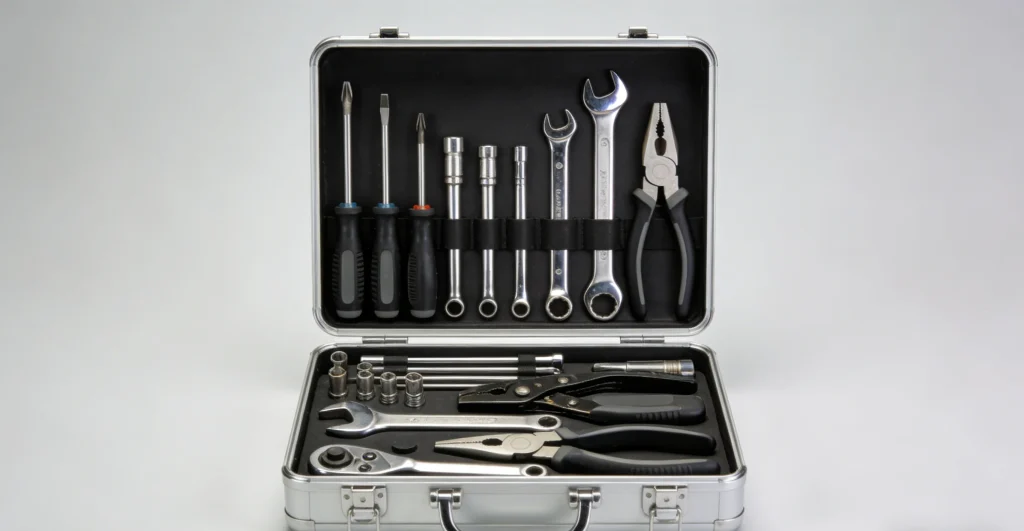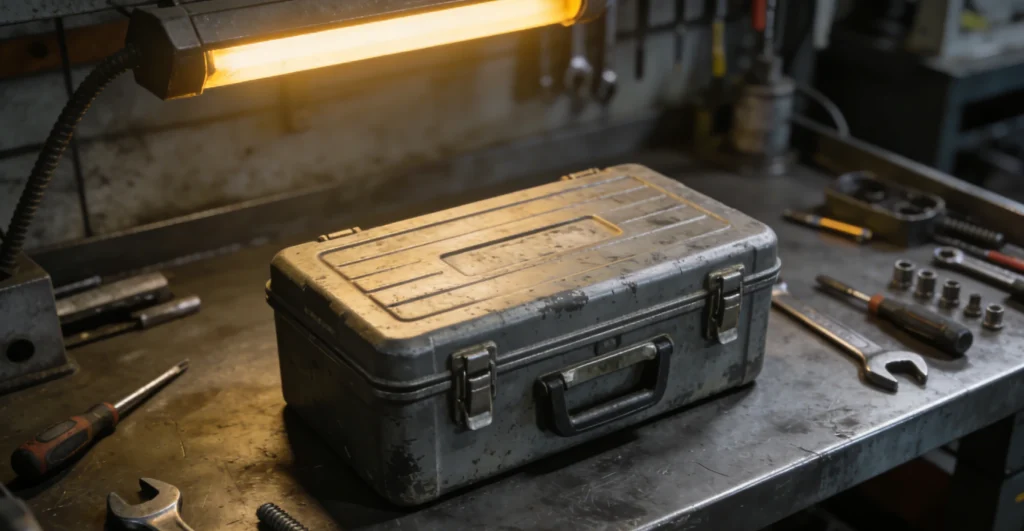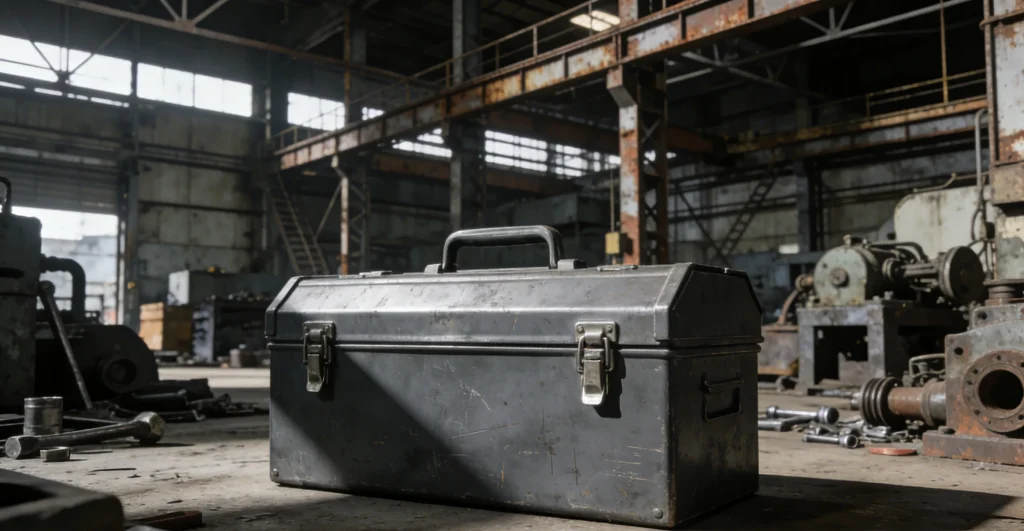
In modern maintenance, equipment servicing, automotive care, and engineering construction scenarios, tool management is becoming increasingly important. As the variety of tools grows and work locations change constantly, traditional tool boxes are gradually becoming less flexible in terms of carrying, sorting, and storage. Rolling tool boxes, with their wheel structure, large-capacity space, and clear compartmentalization, have gradually become a commonly used storage solution for professional users. Understanding the design features of a rolling tool box not only helps improve tool management efficiency, but also helps users choose more suitable products based on their actual work environment.
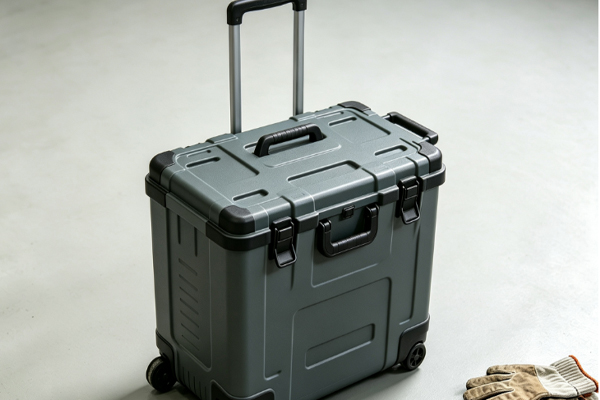
Rolling Tool Boxes Offer a More Convenient Mobility Design
One of the key features that distinguishes a rolling tool box from a regular tool box is its easier mobility, which allows it to adapt to different working environments.
Wheel Design Improves Mobility Efficiency
The wheel structure makes tool transportation more convenient and is suitable for work environments that require frequent movement of tools.
- Wear-resistant wheels move more smoothly: The wheels are made of wear-resistant materials, making the pushing process smoother and allowing them to adapt to various floor conditions such as workshops, warehouses, and construction sites.
- Reduces carrying burden: After tools are stored in one place, there is no need to repeatedly carry them by hand, making daily movement much easier.
- Improves on-site work efficiency: Tools can be quickly moved to the work area, reducing the time spent going back and forth to retrieve and put away tools.
A well-designed wheel system makes tool transportation easier and also helps the overall workflow run more smoothly.
Handle Design Makes Operation Easier
The handle structure further enhances the user experience of the rolling tool box.
- Push-pull operation is easier: An ergonomic handle design makes movement more natural and remains comfortable even during long-term use.
- Suitable for different work environments: Tool boxes can be moved easily in repair shops, factories, and outdoor construction sites.
- Improves overall stability: The handle is firmly connected to the box body, making the box more stable and reliable during movement.
A complete mobility structure allows the rolling tool box to adapt to more complex working scenarios.
Rolling Tool Boxes Provide Greater Storage Capacity
In addition to convenient mobility, large capacity and reasonable compartmentalization are also important design features of rolling tool boxes.
Multi-Layer Storage Is More Organized
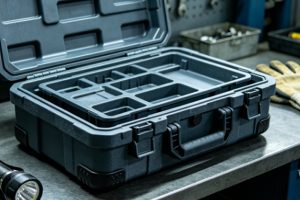
The multi-layer structure helps users establish a clearer tool management system.
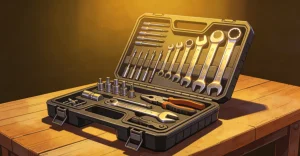
- Frequently used tools are stored by category: High-use tools such as wrenches, screwdrivers, and pliers can be placed in easy-to-reach positions to improve efficiency.
- Large tools are stored separately: Large tools such as electric drills and testing equipment have independent spaces, reducing collisions between items.
- Small accessories are organized together: Small parts such as screws, drill bits, and washers are stored in divided compartments for easier finding and management.
A reasonable layered design makes tools easier to organize and daily tidying much simpler.
Space Utilization Is More Efficient
Rolling tool boxes make full use of internal space and improve overall storage capacity.
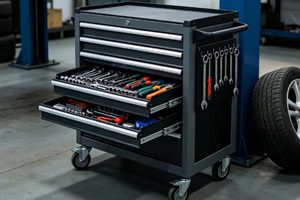
- Drawer layout is more reasonable: Drawers of different sizes meet various tool storage needs and improve space utilization.
- Classification is clearer: Different tools have fixed positions, reducing mixed storage and improving management efficiency.
- Adapts to tool growth: Even as the number of tools increases, the storage system can still remain orderly and meet long-term use needs.
A scientific space layout helps make tool management more standardized and organized.
Rolling Tool Boxes Place Greater Emphasis on Durability
Professional maintenance environments place high demands on tool box durability, and structural design directly affects long-term use experience.
The Box Structure Is More Durable
High-quality construction improves the overall stability of the tool box.
- High-strength materials improve load-bearing capacity: Durable materials can support heavier loads and are suitable for storing a variety of professional tools.
- Reinforced corner protection: Protective design is added to the corners to reduce impact damage during transportation.
- More stable during long-term use: Even in high-frequency use environments, the box can maintain good structural performance.
A stable box structure helps extend the service life of the tool box and improves overall reliability.
More Complete Detail Design
Excellent detail design enhances the daily user experience.
- Drawers open and close more smoothly: High-quality slides make drawers easier to open and improve work efficiency.
- Locking structure is more secure: Drawers remain stable during movement, reducing the risk of tools slipping out.
- More comprehensive protection performance: Some products feature dustproof and moisture-resistant designs, making them more suitable for complex working environments.
Continuous optimization of details makes the rolling tool box better suited to the needs of professional users.
Rolling Tool Boxes Adapt to More Application Scenarios
With flexible mobility and efficient storage capabilities, rolling tool boxes can meet the tool management needs of multiple industries.
More Efficient for Professional Maintenance
Automotive repair, equipment servicing, and industrial inspection all require a large number of professional tools.
- Centralized tool management: Maintenance tools are stored in one place, improving on-site management efficiency.
- Fast mobile operation: Tools can move quickly with the worker, improving workflow speed.
- Meets long-term use needs: The professional structure is suitable for high-frequency maintenance environments and enhances the overall user experience.
Rolling tool boxes have become an important tool management solution in the professional maintenance industry.
More Convenient for Engineering Construction
Construction sites are complex environments that place higher demands on tool management.
- Improves transportation efficiency: Tools are moved together, reducing repeated carrying work.
- Keeps the site tidy: Classified storage reduces tool clutter and improves construction management.
- Adapts to complex environments: The durable structure can meet the needs of different construction settings.
Excellent adaptability to different scenarios allows the rolling tool box to deliver greater practical value.
The performance of rolling tool boxes in mobility, storage layout, structural strength, and usage details all reflects a strong professional character. For users who need to carry tools frequently and value on-site management efficiency, this type of product offers clearer organization and a more stable user experience. SIPHIA BOX focuses on high-quality tool storage solutions and continues to provide more practical and durable rolling tool box products, helping tool management become more efficient and organized across different work scenarios.