Mini toolboxes are compact, easy to carry, and widely used for household repairs, electronic equipment maintenance, DIY projects, vehicle servicing, and everyday tool organization. Although products may look similar in size and appearance, the material used for the toolbox can significantly affect its weight, impact resistance, wear resistance, service life, and suitability for different working environments. Common materials include PP, ABS, PC, HDPE, aluminum alloy, and steel. Each material provides a different combination of structural stability, protection, portability, and durability. Understanding these differences can help users choose a mini toolbox that matches their tools, carrying frequency, and working conditions.
PP Mini Toolboxes Are Suitable for Lightweight Daily Use
PP is a common plastic material used in mini toolboxes. Toolboxes made from PP are generally lightweight, making them easy to carry and move between different locations. They are suitable for storing screwdrivers, wrenches, pliers, measuring tapes, and other small tools used for routine maintenance. PP also provides good toughness, so the toolbox can withstand normal opening, closing, transportation, and minor impacts during everyday use. Its moisture resistance also makes it suitable for homes, offices, garages, and general maintenance environments. PP has good molding properties, allowing manufacturers to create storage slots, compartments, and small parts boxes according to different requirements. This helps make better use of the limited internal space of a compact toolbox. For users who frequently carry their tools but do not want the toolbox itself to add unnecessary weight, PP can provide a practical and lightweight solution.
ABS Mini Toolboxes Offer Better Rigidity and Protection
ABS generally provides good rigidity and impact resistance, allowing mini toolboxes made from this material to maintain a stable outer structure. Compared with designs focused primarily on weight reduction, ABS toolboxes tend to have a more rigid feel and can provide solid structural support when storing tools, carrying the case, or repeatedly opening and closing the lid. ABS is also easy to process into textured surfaces and reinforced structures, allowing manufacturers to add strengthening ribs, thicker edges, non-slip handles, and secure latches. These features can improve the toolbox’s everyday protective performance. For electronic repairs, household maintenance, and DIY assembly, an ABS mini toolbox can help reduce the impact of external pressure and minor collisions on stored tools. Users who value structural stability while still requiring good portability may find ABS to be a practical material choice.
PC and HDPE Materials Provide Different Performance Characteristics
In addition to PP and ABS, some mini toolboxes are made from PC or HDPE. PC, or polycarbonate, provides high impact resistance, and some products use its transparency to create transparent or semi-transparent lids. This allows users to check the contents without repeatedly opening the toolbox, which can be useful when storing small tools and components. HDPE, or high-density polyethylene, provides good toughness and moisture resistance, making it suitable for environments where the toolbox may encounter water, oil, or more demanding working conditions. Different materials are not designed to meet exactly the same requirements, so users should match the material with the tools, working frequency, and environment. For example, users who need to quickly identify stored components may prefer a toolbox with a transparent lid, while those who frequently transport tools may pay more attention to the material’s toughness and impact resistance. The final user experience depends on the combination of material characteristics and toolbox structure.
How Metal Mini Toolboxes Differ From Plastic Toolboxes
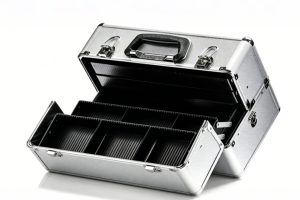
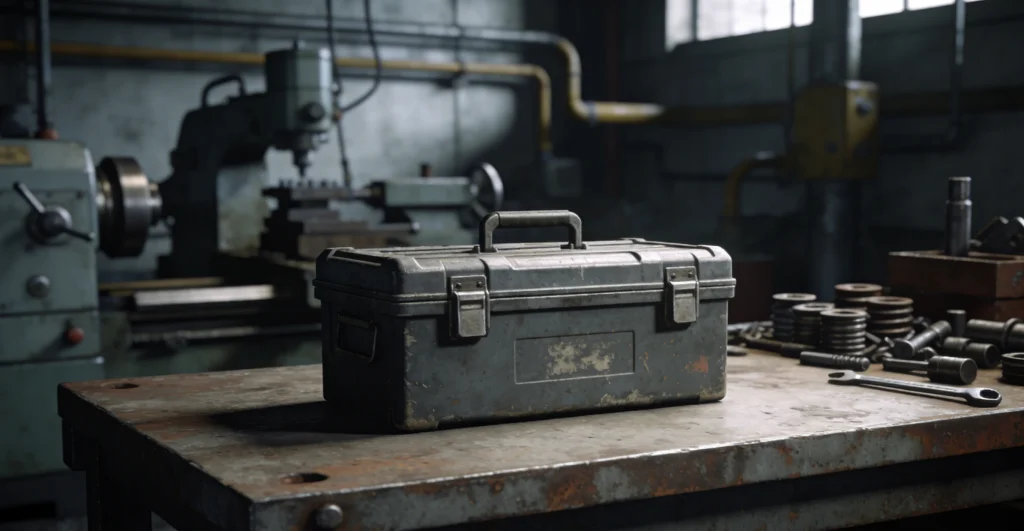
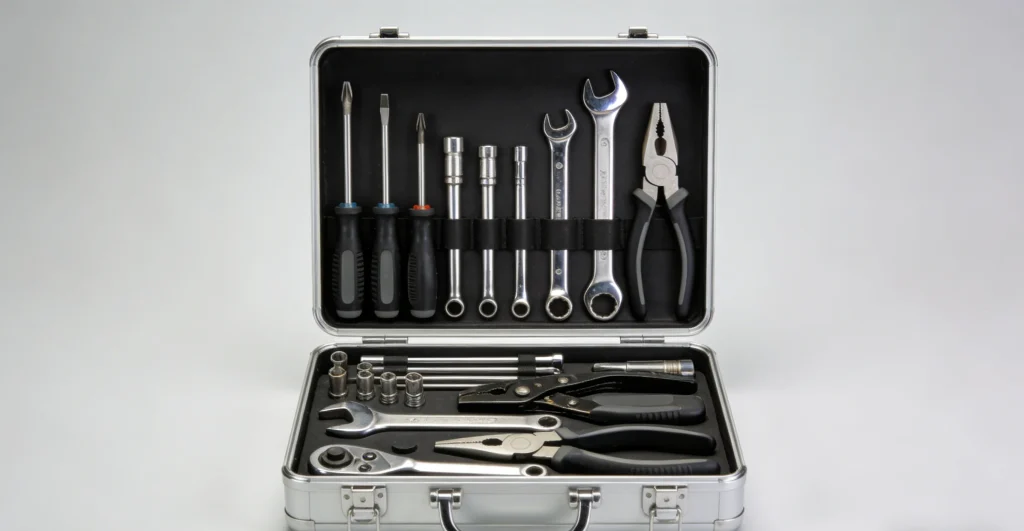
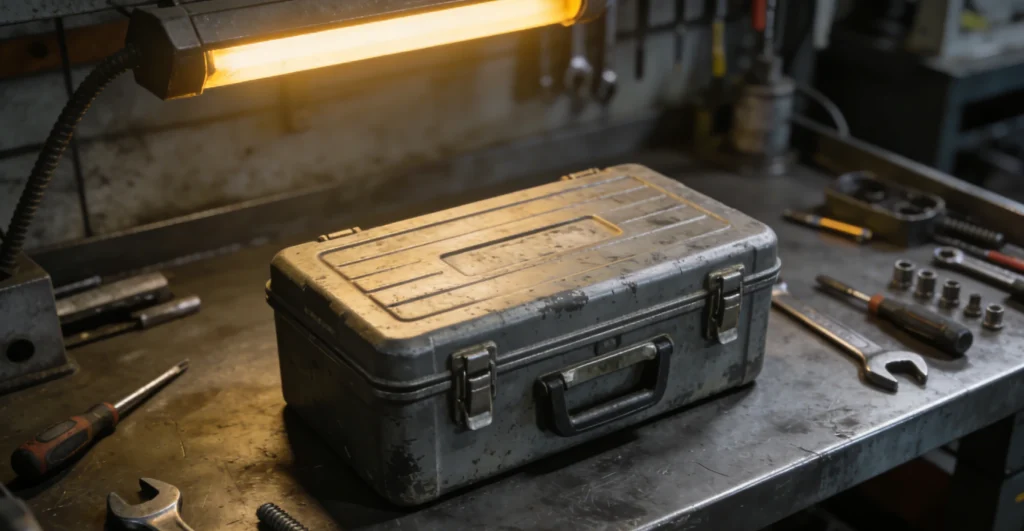
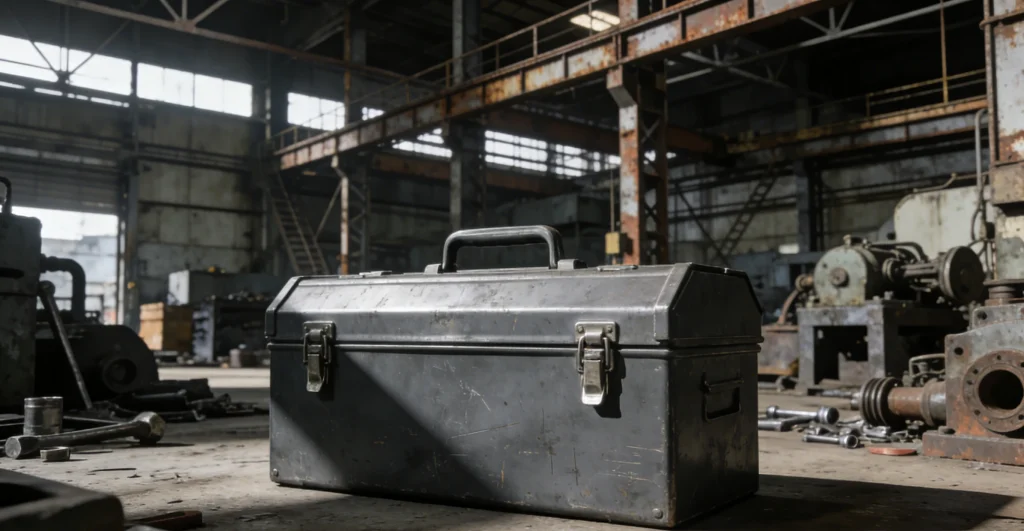
Metal mini toolboxes are commonly made from steel or aluminum alloy. Compared with plastic cases, they generally provide greater structural rigidity and load-bearing capacity. Steel toolboxes are suitable for storing heavier wrenches, sockets, pliers, and mechanical maintenance tools, making them useful in workshops, repair stations, and equipment maintenance areas. Aluminum alloy toolboxes can combine metal structural strength with a relatively lightweight design, making them suitable for workers who need to move their tools frequently. Plastic toolboxes generally provide advantages in weight, portability, and cost control, while metal toolboxes are often more suitable for heavier tools and environments involving frequent impact. When selecting a toolbox, users should also pay attention to the hinges, latches, handles, and connection points, because these components can have a direct effect on long-term reliability.
How to Choose a Mini Toolbox Made From the Right Material
The appropriate material depends on the actual working conditions and the type of tools being stored. The following situations can serve as useful references when choosing a mini toolbox:
- Household repairs: If the toolbox is mainly used for screwdrivers, adjustable wrenches, pliers, measuring tapes, and other common household tools, a lightweight PP or ABS mini toolbox can make daily carrying and storage more convenient.
- Electronic equipment repair: Electronic maintenance often involves screwdrivers, tweezers, measuring tools, and small components. ABS or PC products with internal compartments and fixing structures can provide organized storage and suitable protection.
- DIY and crafts: DIY users may need to store a variety of tools and accessories. A plastic toolbox with flexible compartments can help organize cutters, pliers, fasteners, and other small items.
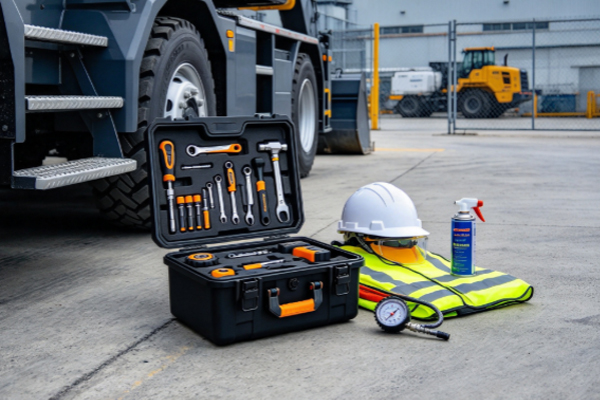
- Vehicle and bicycle maintenance: When storing wrenches, hex keys, sockets, and similar tools, users can consider ABS, aluminum alloy, or steel models according to the total tool weight and should pay attention to the toolbox’s load capacity.
- Outdoor carrying: When tools need to be transported outdoors, toolbox weight can have a direct effect on carrying comfort. Lightweight PP, ABS, or aluminum alloy designs can be considered, along with dust, moisture, and latch protection.
- Workshop and equipment maintenance: If the toolbox remains near a maintenance bench and needs to hold heavier mechanical tools, steel or high-strength designs may be more suitable. Wall thickness and load-bearing capacity should also be considered.
Different mini toolbox materials have their own suitable applications. When choosing a product, users should look beyond the material name and consider tool weight, carrying frequency, working environment, internal capacity, and structural design. A suitable material combined with a practical toolbox structure can provide more stable performance for everyday storage, mobile repairs, and tool protection.