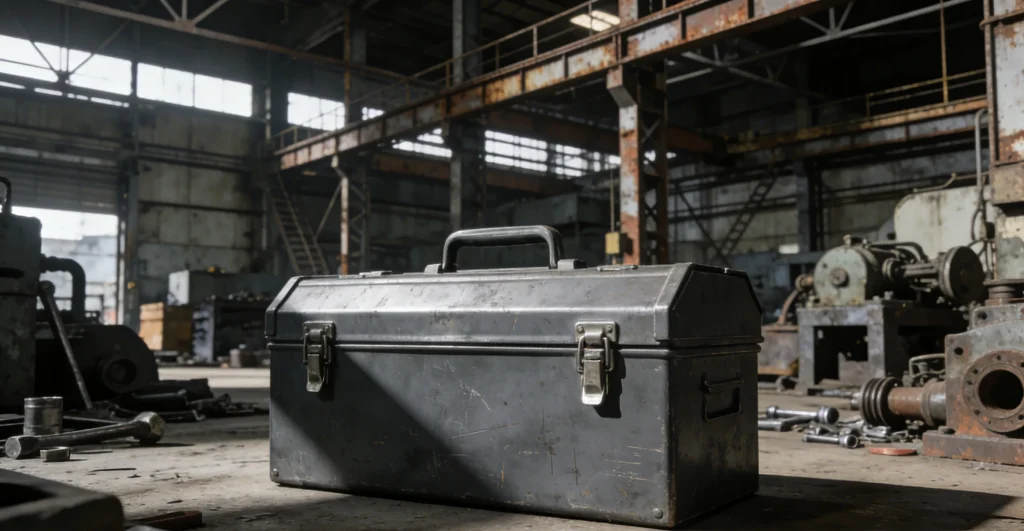
As workplaces become more specialized, the types of tools used in different industries are also increasing. In the past, many people stored all their tools in traditional toolboxes, but as the number of tools grew, problems such as poor organization, difficult access, and messy storage often appeared. Drawer toolboxes provide multiple separate storage spaces, allowing different tools to be organized properly while improving work efficiency and protecting equipment. Today, drawer toolboxes are widely used in automotive repair, mechanical manufacturing, electronics production, aviation maintenance, and personal workshops. Different industries have different requirements, so choosing the right toolbox design can help users achieve better storage and management results.
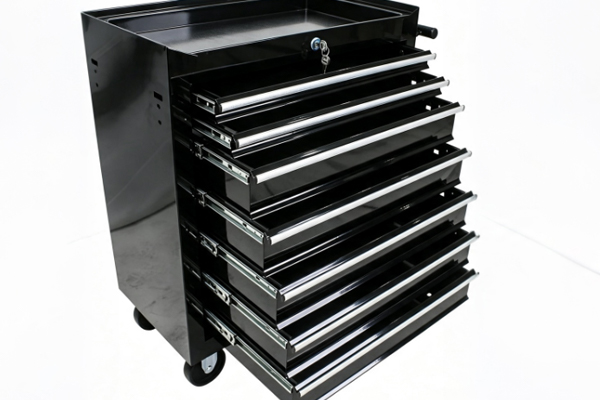
Automotive Repair Is One of the Most Common Applications for Drawer Toolboxes
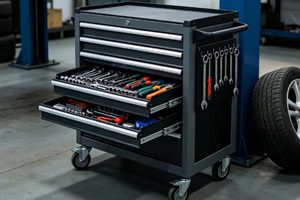
Automotive repair work involves a wide range of tools, from basic repair equipment to professional testing devices. Without proper organization, technicians may waste a lot of time searching for tools during repairs. Drawer toolboxes provide a practical storage solution by allowing different tools to be separated and arranged clearly, making them ideal for repair shops and service centers.
Different Repair Tools Need Organized Storage
Automotive repair tools usually come in many sizes and types. Proper classification helps technicians work faster and keeps the workspace more organized.
- Multiple drawers make tool organization easier. Wrenches, sockets, screwdrivers, and other tools can be stored separately to prevent clutter.
- Classified storage reduces searching time. Technicians can quickly locate the required tools according to drawer positions, improving work efficiency.
- Separate compartments help protect tools. Keeping different tools apart can reduce collisions and unnecessary wear.
Drawer toolboxes are not just storage equipment for automotive repair workers. They also help create a cleaner and more efficient working environment.
Mobility Features Meet Workshop Requirements
Automotive repairs are not always performed in one fixed location. Technicians may need to move tools between different service areas, making mobility an important factor.
- Caster wheels make movement easier. When many tools are needed, the toolbox can be easily moved to the required working area.
- Strong structures support frequent use. Durable designs can handle daily opening, closing, and movement.
- Top surfaces provide temporary workspace. Small parts and frequently used equipment can be placed on top during repairs for better convenience.
For automotive repair professionals, a drawer toolbox should provide not only storage capacity but also mobility and practical design.
Mechanical Manufacturing and Industrial Production Require Professional Tool Storage
Mechanical manufacturing often involves various professional tools, including measuring equipment, cutting tools, fixtures, and maintenance accessories. Many of these tools require careful handling because accuracy and performance can be affected by improper storage. Therefore, industrial environments usually have higher requirements for toolbox durability, load capacity, and organization.
Precision Tools Require More Careful Storage
Many tools used in machining require high accuracy, such as calipers, measuring instruments, and inspection tools. Proper storage helps prevent damage caused by collisions.
- Drawer classification helps manage precision tools. Different tools can be stored separately to reduce contact and possible damage.
- Fixed storage locations improve efficiency. Workers can quickly find the tools they need and reduce unnecessary downtime.
- Organized layouts improve space utilization. Planning storage based on tool sizes helps make better use of drawer space.
For machining companies, proper tool management not only improves efficiency but also helps maintain stable production processes.
Industrial Workplaces Focus on Durability
Industrial tools are often heavy and used frequently, so toolboxes need strong structures and reliable performance.
- Durable materials support long-term use. Strong construction allows the toolbox to hold more tools and handle demanding environments.
- Large-capacity drawers meet production needs. Multiple drawers can store different categories of industrial tools.
- Long-lasting structures reduce replacement costs. A reliable toolbox can lower future maintenance and replacement expenses.
When choosing industrial toolboxes, capacity is important, but durability and stability are equally necessary.
Electronics Manufacturing and Laboratories Benefit from Precision Drawer Toolboxes
Compared with large industrial tools, equipment used in electronics manufacturing and laboratories is usually smaller but requires more detailed organization. Components, screws, testing tools, and electronic parts can easily become mixed together without proper storage. Drawer toolboxes provide a more precise organization method for these environments.
Small Tools and Components Need Clear Classification
The electronics industry requires accurate management of many small items. A well-designed toolbox can help workers quickly locate what they need.
- Small drawers are suitable for tiny components. Screws, connectors, and electronic parts can be stored separately to avoid mixing.
- Label management makes searching easier. Numbering or labeling drawers helps users find items faster.
- Organized storage reduces operation mistakes. Clear classification helps maintain a stable workflow.
For electronics manufacturing, the goal of a toolbox is not simply maximum capacity, but making every tool easy to manage.
Laboratories Need Stable and Clean Storage Solutions
Laboratories often have limited space and require a clean working environment. Toolboxes need to provide both storage efficiency and convenience.
- Compact designs save workspace. Small drawer toolboxes are suitable for laboratory benches and limited areas.
- Drawer structures allow quick access. Frequently used tools can be placed in convenient positions to improve preparation efficiency.
- Stable designs help protect equipment. Reliable structures help keep precision tools in good condition.
For laboratories and electronics workplaces, organized storage plays an important role in improving daily operations.
Aviation Maintenance, Training Centers, and Personal Workshops Also Use Drawer Toolboxes
Besides traditional industrial applications, drawer toolboxes are becoming increasingly popular in professional services and personal workspaces. Any environment that requires the management of multiple tools can benefit from a more organized storage solution. Users can choose suitable designs based on their tool quantity and working habits.
Aviation Maintenance Requires Strict Tool Management
Aviation maintenance has strict requirements for tool control. Every tool needs to be properly stored and managed to ensure completeness and safety.
- Drawer classification makes tool inspection easier. Workers can quickly check whether all tools are complete.
- Professional structures support frequent operations. Durable designs are suitable for demanding maintenance environments.
- Clear organization reduces the risk of missing tools. Fixed storage locations make daily inspections more convenient.
Although aviation maintenance has unique requirements, the organized management advantages of drawer toolboxes make them a suitable choice.
Training Centers and Personal Users Also Have Practical Needs
Today, many vocational training centers, DIY enthusiasts, and personal workshops also use drawer toolboxes to organize their equipment.
- Training environments benefit from unified management. Students can better understand different tool categories and uses.
- Personal workshops become more efficient. Frequently used tools can be stored together for easier access.
- Different sizes fit different spaces. Users can select suitable toolbox sizes according to their working areas.
- Flexible storage supports various applications. Besides professional tools, they can also store model-making equipment, repair parts, and other accessories.
As the demand for better tool organization continues to grow, drawer toolboxes are being used in more and more industries.
Drawer toolboxes are suitable for a wide range of industries, including automotive repair, mechanical manufacturing, electronics production, aviation maintenance, and personal workshops. Their biggest advantage is not simply providing more storage space, but helping users create a clearer and more efficient tool management system. When choosing a drawer toolbox, users should consider tool quantity, working environment, and daily usage requirements. Siphia Box offers various toolbox solutions to help businesses and individuals select suitable storage products for different applications and make tool organization more efficient and convenient.