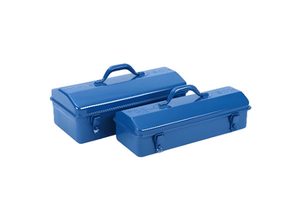
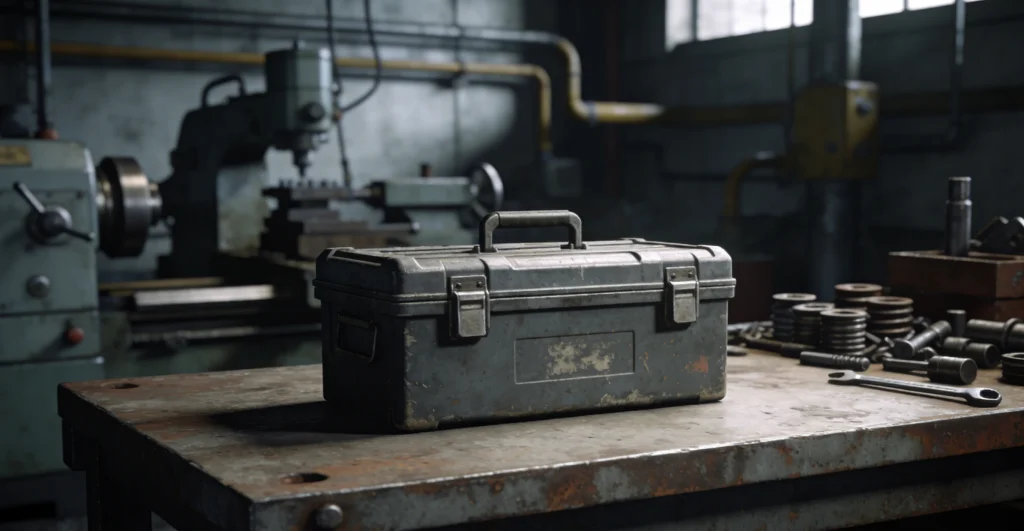
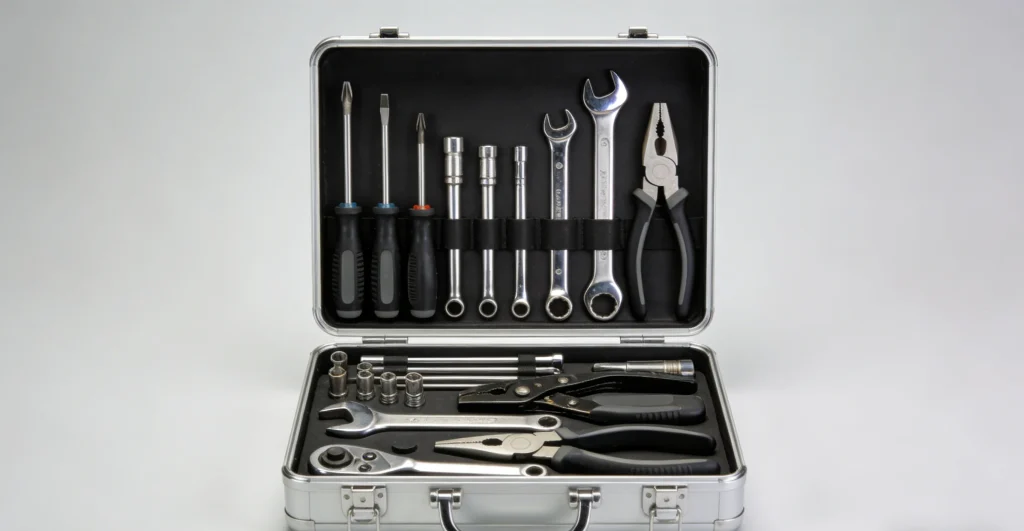
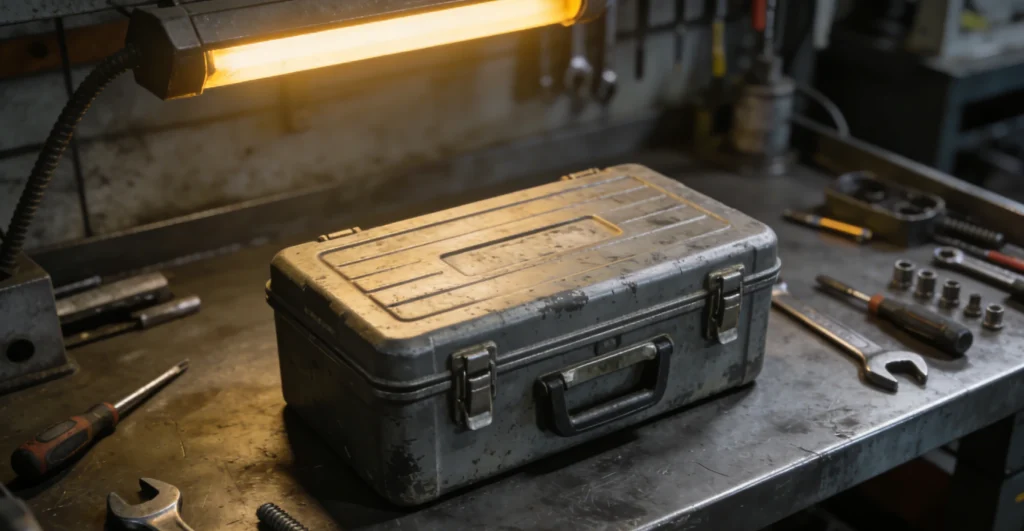
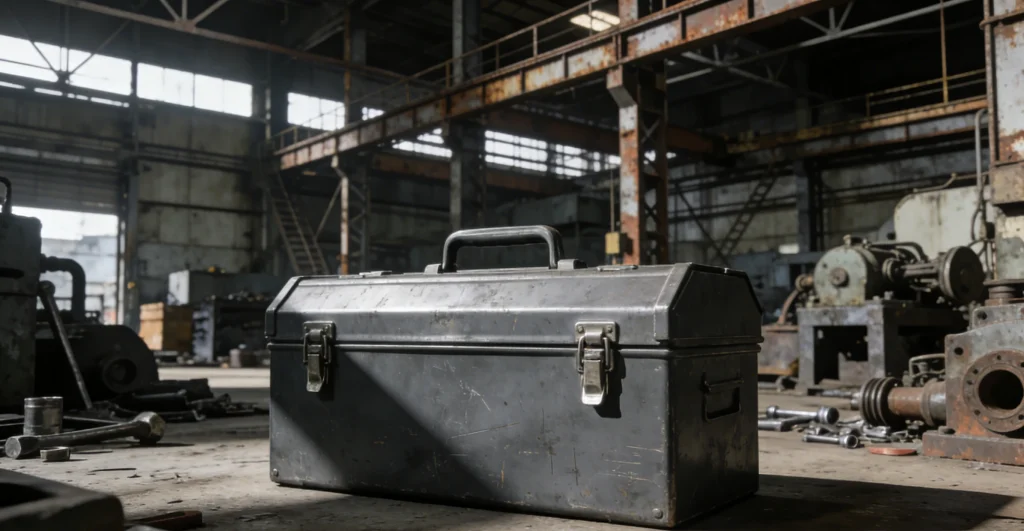
For repair technicians, having too many tools is not the biggest problem. The real headache starts when there is nowhere to put them. Screwdrivers, wrenches, socket sets, pliers, measuring tools, and countless small parts can quickly overwhelm a standard toolbox. So, which large toolbox is best for repair technicians? Whether you work in automotive repair, mechanical maintenance, electrical repair, or equipment servicing, size is only part of the decision. Storage layout, drawer space, load capacity, and mobility all matter. A well-designed large toolbox should hold your tools comfortably while making them quick to find and easy to put away.
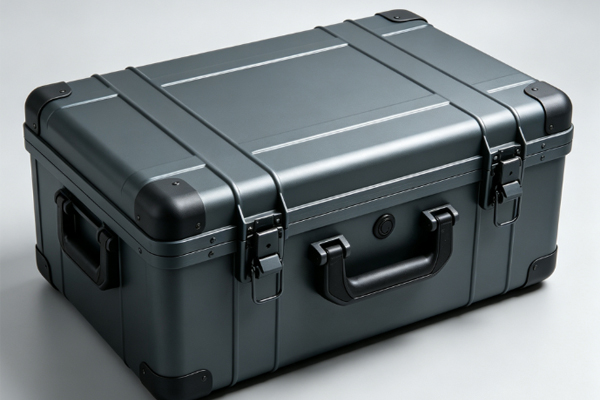
How Much Storage Capacity Does a Large Toolbox Need for Repair Work?
A toolbox’s capacity directly affects how convenient it is to use every day, but bigger does not automatically mean better. Start by looking at the tools you actually use on a regular basis, then compare them with the available interior space of a large toolbox. If you carry many hand tools, you will need enough drawers and storage compartments. If you also need to carry power drills, socket sets, or larger repair accessories, pay close attention to the depth and height inside the toolbox.
- Lots of tools: Wrenches, screwdrivers, pliers, and sockets need to be stored separately. If the toolbox is too small, everything quickly ends up piled together.
- Different tool sizes: A large wrench and a small screwdriver bit take up very different amounts of space, so drawer dimensions matter just as much as the number of drawers.
- Room for accessories: Nuts, bolts, washers, and other small parts are much easier to manage when they have dedicated storage instead of being mixed together.
- Leave some extra room: Repair technicians often add new tools over time. A toolbox that is completely full on day one may become inconvenient surprisingly quickly.
Before buying, lay out the tools you already own and check how much space they actually take up. This is usually more useful than judging a toolbox simply by its exterior size. For technicians with large socket sets, oversized wrenches, or power tools, the internal layout can make a bigger difference than the overall dimensions.
Why Is a Large Toolbox With Drawers Useful for Repair Work?
Repair work is all about having the right tool within easy reach. When everything is thrown into one large compartment, finding a small wrench can mean digging through half the toolbox. A large toolbox with drawers makes it easier to organize tools by type and frequency of use. Frequently used tools can stay near the top, while sockets, wrenches, and small repair parts can have their own dedicated spaces.
- Keep frequently used tools on top so they are ready as soon as the toolbox is opened.
- Separate wrenches and sockets to make different sizes easier to identify.
- Store small parts separately so screws, washers, and bits do not disappear among larger tools.
- Put heavier tools in lower drawers for better stability and easier handling.
There is another practical advantage to a drawer toolbox: putting everything back after a job is much easier. Once a technician develops a habit of returning each tool to its drawer, the next repair starts with much less searching. For people who use their tools every day, this kind of organization can be far more useful than having one huge empty compartment.
Should You Choose a Metal or Plastic Toolbox for Repairs?
The right toolbox material depends heavily on the working environment. Metal toolboxes are often a practical choice for repair jobs involving heavier tools and frequent daily use because the box and hardware need to handle repeated loading and unloading. Plastic toolboxes are generally lighter and easier to carry, which can be useful for technicians who move between different job sites. If your tools are already heavy, carrying an equally heavy toolbox around all day may not be the most convenient setup.
It is also worth checking details such as the latches, handles, drawer slides, casters, and other hardware. In everyday use, these components can experience just as much wear as the toolbox body itself. For a fixed workshop setup, stability and load capacity may deserve more attention. For mobile repair work, overall weight, wheels, and the handle or pull system become much more important.
Which Repair Technicians Can Benefit From a Large Toolbox?
A large toolbox is not just for automotive mechanics. Anyone who regularly carries a large collection of tools can benefit from having more organized storage. Different trades have different tool combinations, so the best choice should match the actual work you do rather than simply copying someone else’s toolbox setup.
- Automotive repair technicians
With plenty of sockets, wrenches, screwdrivers, and pliers to carry, a large toolbox with drawers and casters can make tool organization and movement much easier.
- Mechanical maintenance technicians
Different wrench sizes, socket sets, and repair components can quickly add weight, making internal capacity and load-bearing performance especially important.
- Electricians and equipment repair technicians
Along with standard hand tools, they may need measuring equipment and electrical accessories. Dedicated compartments for small parts can save a lot of time during repairs.
- Mobile repair technicians
When the toolbox needs to travel from one job site to another, capacity is only part of the equation. A practical handle, smooth-rolling casters, and manageable overall weight can make a noticeable difference.
If you mainly work in a fixed workshop, storage capacity and load-bearing strength may be the priorities. If you regularly travel between repair sites, mobility deserves much more attention. The right large toolbox is ultimately the one that fits your tool collection and matches the way you work every day.
For repair technicians, a large toolbox is more than just a container for tools. It works much like a mobile workstation. With enough space, tools do not have to be crammed together. With well-designed drawers, you do not have to search through the entire box for one screwdriver. With reliable casters and a comfortable handle, moving a fully loaded toolbox becomes much easier. Whether you work in automotive repair, mechanical maintenance, electrical installation, or equipment servicing, taking your tool quantity, tool weight, and working environment into account can help you choose a large toolbox that remains practical for long-term use.