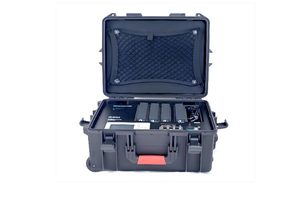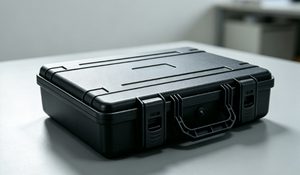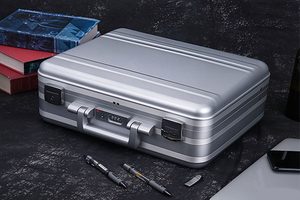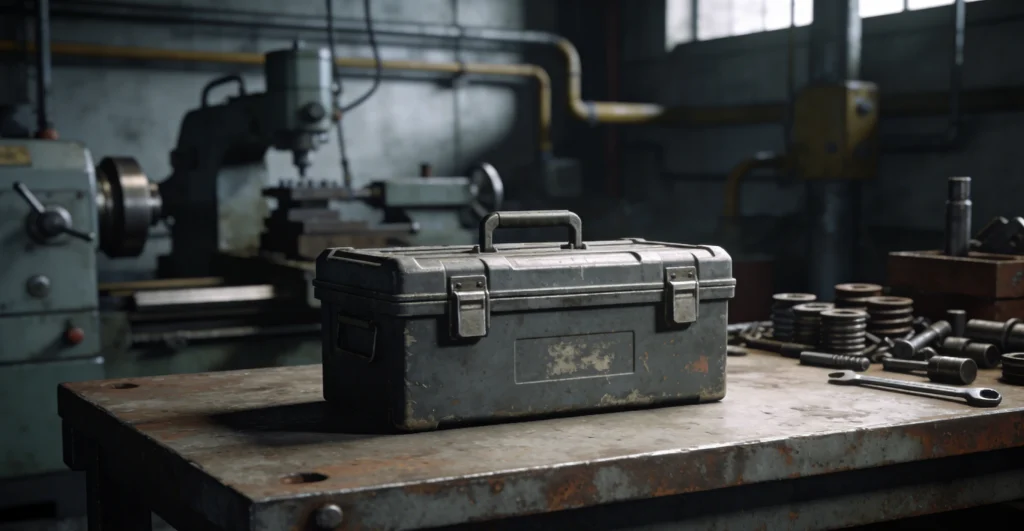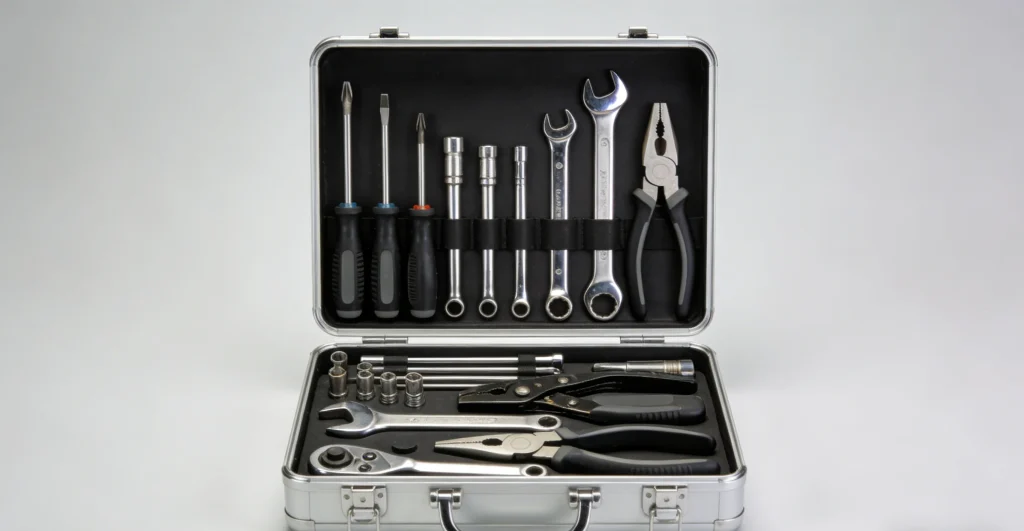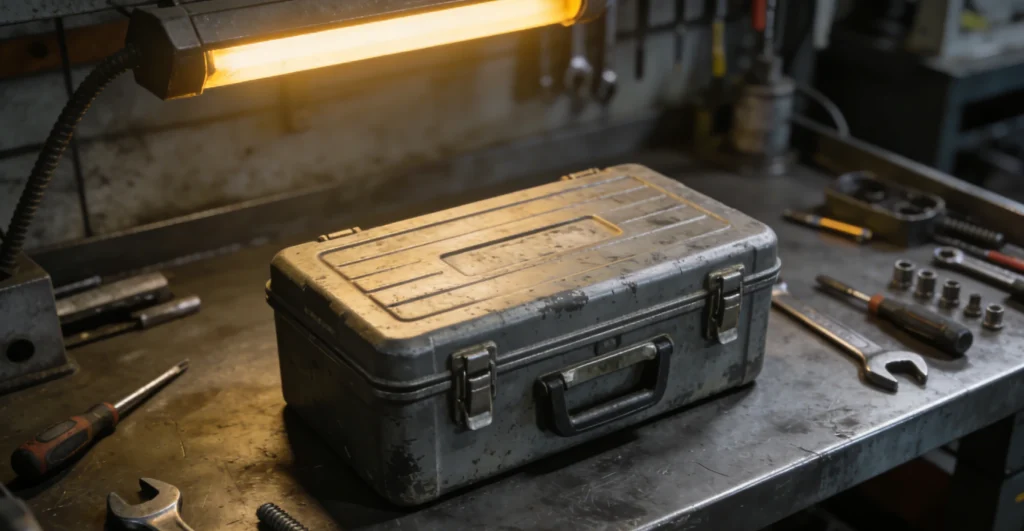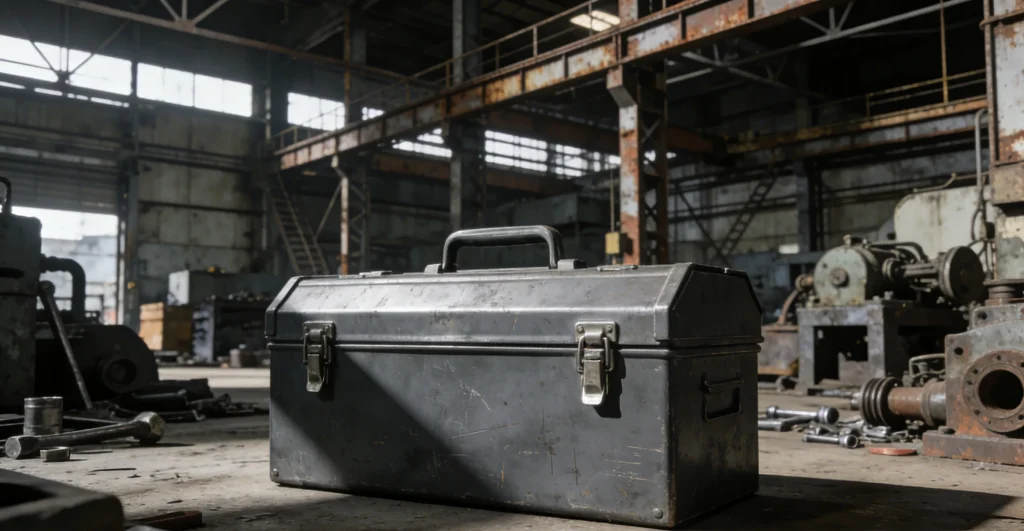
As demand continues to rise across the maintenance industry, industrial manufacturing, and home DIY sectors, methods for managing tools are also undergoing a gradual upgrade. Compared to traditional handheld toolboxes, rolling toolboxes offer greater storage capacity and enhance the efficiency of tool transport, thereby reducing the physical exertion associated with frequent manual carrying. Whether in automotive repair shops, equipment maintenance sites, home garages, or construction environments, rolling toolboxes are becoming an increasingly common piece of professional equipment for tool management. In modern maintenance and engineering settings, rolling toolboxes boost work efficiency and help users establish a more standardized and organized tool management system, making them increasingly popular in the market.
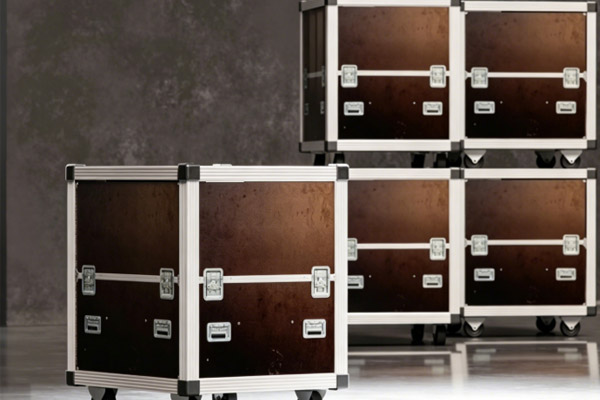
Rolling Toolboxes Enhance Mobility Efficiency
In many maintenance and construction scenarios, tools must frequently be moved to follow the location of the work being performed. While traditional toolboxes often increase the physical burden during transport, rolling toolboxes significantly alleviate this issue.
High-Quality Wheels Ensure Smooth Mobility
In large maintenance workshops and engineering environments, toolboxes often need to be moved over long distances.
- High-quality wheels reduce rolling resistance, making the entire movement process much smoother.
- For workers who frequently need to change workstations, this results in a significant boost in mobility efficiency.
- With an improved moving experience, workers feel less fatigued during long shifts.
High-quality wheels have thus become an essential component of modern rolling toolboxes.
Transporting More Tools in a Single Trip
Compared to traditional handheld toolboxes, rolling toolboxes allow for the consolidated transport of a larger volume of maintenance tools and accessories.
- By reducing the need for repetitive trips to carry tools, the overall workflow becomes more stable and consistent.
- This large-capacity, mobile design proves particularly practical in multi-station maintenance environments.
- Consolidated tool management further enhances on-site work efficiency.
This highly efficient method of transport has made rolling toolboxes increasingly popular among professional maintenance personnel.
Reducing Fatigue During Prolonged Work
Frequently carrying tools can easily place a physical strain on the body.
- The wheeled design reduces the need for manual lifting and bending over, thereby improving overall working comfort.
- For maintenance professionals engaged in high-intensity work over long periods, this ergonomic advantage is particularly pronounced.
- A more physically comfortable working state also contributes to greater overall operational stability.
Consequently, many businesses are beginning to place greater emphasis on the ergonomic design of rolling toolboxes.
Greater Convenience in Workshop Maintenance
Automotive repair and equipment maintenance often require operations spanning multiple areas.
- Rolling toolboxes allow for rapid movement between different repair stations.
- This helps minimize the time wasted walking back and forth to retrieve tools.
- For large-scale repair workshops, this method of mobility proves significantly more efficient.
Furthermore, this enhanced mobility helps ensure the continuity of the maintenance workflow.
Increased Efficiency in Construction Projects
Construction sites involve a wide variety of tools; frequent manual transport can disrupt the pace of work.
- The rolling design improves the efficiency of tool transport.
- It also contributes to a more organized and orderly site management environment.
- As construction workflows become more stable, overall work efficiency sees a corresponding increase.
Consequently, an increasing number of construction teams are adopting rolling toolboxes for their on-site management needs.
Greater Flexibility for Home Use
Rolling toolboxes are equally practical and useful in home garages or DIY settings.
- Users can freely reposition their tools to wherever they are needed.
- This results in a much more convenient overall user experience.
- For routine home repairs and creative DIY projects, the ability to move tools with ease makes the process much less strenuous.
- Thanks to this convenience, rolling toolboxes are gradually finding their way into more and more households.
As they adapt to a wider range of work environments, the scope of applications for rolling toolboxes continues to expand.
Rolling Toolboxes Enhance Tool Management Efficiency
Beyond their mobility, a key reason for the growing popularity of rolling toolboxes is their ability to help users establish a more efficient system for managing their tools.
Layered Drawers Provide Clarity
Rolling toolboxes typically feature a multi-layered drawer structure.
- Different layers can be designated for specific types of tools, thereby improving categorization efficiency.
- This helps eliminate the confusion often associated with searching for tools.
- Once tools are clearly categorized, the entire maintenance workflow becomes much smoother.
A well-designed, layered layout also encourages users to cultivate good organizational habits.
Prioritizing High-Frequency Tools
Frequently used tools are typically placed in the most easily accessible locations.
- This layout helps workers boost their operational efficiency.
- In scenarios involving frequent repairs, this arrangement leads to a marked improvement in time utilization.
A more systematic arrangement method also helps minimize the problem of repeatedly searching for tools.
Independent Management of Small Parts
Small accessories such as screws, cable ties, and washers are prone to getting lost.
- Compartmentalized structures help maintain overall tidiness.
- They also help prevent items from being overlooked or misplaced.
- With consistent, categorized management over time, the efficiency of tool organization becomes more consistent and reliable.
- Many professional users place particular emphasis on storage designs specifically tailored for small parts.
When categorization is clear and distinct, the entire repair workflow becomes much smoother.
Minimizing Collisions Between Tools
A design featuring independent drawers helps reduce friction and physical impact between tools.
- For precision tools, this level of protection is absolutely critical.
- As a result, the overall service life of the tools is extended.
- By maintaining tools in excellent condition over the long term, maintenance costs are correspondingly reduced.
A more robust protective structure also enhances the long-term operational stability of the tools.
Superior Dust and Moisture Resistance
Many rolling toolboxes incorporate specialized sealing and protective mechanisms.
- These features help minimize the adverse effects of dust and moisture on the tools.
- This ensures greater stability and reliability, even in challenging work environments.
- A more stable storage environment also contributes to safer tool usage.
Protective performance has become a key criterion for many users when making a purchase decision.
Maintaining Tidiness Over Time
Designating specific storage locations helps cultivate disciplined organizational habits.
- When tools are returned to their proper places, the workspace becomes neat and orderly.
- The overall work environment projects a more professional image.
- Good organizational habits also serve to further boost work efficiency.
- By maintaining a tidy workspace consistently, the overall work experience becomes much more comfortable and pleasant.
Enhanced tool protection capabilities are, in fact, a primary reason why rolling toolboxes are becoming increasingly popular.
Rolling Toolboxes: Suitable for a Wider Range of Applications
As user needs continue to expand, rolling toolboxes are no longer confined solely to industrial maintenance settings; they are now making their way into home environments and personal workshops.
Industrial Maintenance: A Highly Specialized Environment
Industrial settings impose rigorous demands on tool management, making rolling toolboxes an ideal choice for professional repair work. Given the wide variety of tools typically required for industrial maintenance, ample storage space is essential; rolling toolboxes are designed to meet the demands of frequent, heavy-duty use over the long term. In collaborative work scenarios, a clearly categorized tool management system reduces the time spent searching for specific tools, thereby boosting overall repair efficiency. Furthermore, industrial environments often necessitate moving tools from one location to another; the durable wheels and reinforced structural components of these toolboxes are built to withstand complex terrain and ensure stable, reliable performance over years of use. Specialized configurations help maintain higher efficiency in industrial maintenance settings.
Greater Convenience for Home and DIY Use
An increasing number of homeowners are beginning to prioritize tool organization and storage. Rolling toolboxes enable users to quickly organize and transport tools, minimizing clutter and keeping garages and storage areas tidy. Their layered structure also allows for the categorized storage of various tools, thereby maximizing space utilization. For DIY enthusiasts, rolling toolboxes boost operational efficiency, making routine repairs and creative projects more convenient. Consequently, more households are now opting for professional-grade rolling toolboxes.
Modern Rolling Toolboxes Emphasize Specialized Design
As user demands for efficiency and durability continue to rise, modern rolling toolboxes are evolving toward a more specialized design paradigm.
Supports Diverse Tool Combinations
Individual drawers and storage compartments can be freely adjusted to suit specific needs.
- Maximizes overall space utilization.
- Adapts effectively to a variety of maintenance scenarios.
- The highly flexible structural design also ensures the unit remains functional over the long term.
Modular design is emerging as a key trend in the industry’s development.
Facilitates Future Expansion
The layout can be flexibly adjusted to accommodate newly acquired tools.
- Ideally suited for long-term tool management requirements.
- Offers superior overall adaptability.
- For professional maintenance teams, this capacity for expansion is crucial.
Flexible expansion options also help reduce future replacement costs.
Quick Detachment for Enhanced Practicality
Specific modules can be detached and carried independently.
- Convenient for short-distance repairs and temporary tasks.
- Significantly enhances mobility and maneuverability.
- Facilitates smoother and more efficient transitions between different work environments.
- This flexible structure ensures that modern rolling toolboxes align closely with actual operational demands.
Modular design has gradually established itself as a defining trend in the evolution of modern rolling toolboxes.
Pressure-Resistant Materials Ensure Stability
Resist deformation even under heavy, high-frequency, and prolonged use.
- Ideally suited for industrial and engineering environments.
- Deliver superior overall structural stability.
- Maintain excellent load-bearing capacity even after years of service.
High-strength materials have become a benchmark standard for high-quality toolboxes.
Silent Casters Enhance User Experience
High-quality casters minimize noise during movement.
- Enhance overall user comfort and experience.
- The benefits are particularly noticeable in indoor work environments. A smoother and quieter mode of transport also serves to enhance the overall user experience.
In modern maintenance environments, silent operation achieved through noise-reducing design is becoming an increasingly valued feature.
Reinforced Corner Protection
The corners of a toolbox are particularly susceptible to impact damage.
- By incorporating additional protective features, the overall service life of the unit can be significantly extended.
- This enhanced durability also ensures greater stability and reliability over the long term.
- Furthermore, a more comprehensive protective design helps to minimize the effects of daily wear and tear.
- Reinforced structural protection has thus become a hallmark feature of many high-end toolboxes.
Thanks to their superior durability, rolling toolboxes are steadily emerging as a preferred choice for long-term tool management solutions.
The growing popularity of rolling toolboxes stems not only from their ability to streamline tool transport but also from the distinct advantages they offer in terms of organization, space utilization, and long-term user satisfaction. From industrial repairs to home DIY projects, and from construction sites to equipment maintenance operations, rolling toolboxes empower users to establish highly efficient and orderly tool management systems. As modern work environments continue to demand ever-higher levels of efficiency and professionalism, rolling toolboxes characterized by their comprehensive functionality and robust structural integrity are becoming the go-to choice for an ever-expanding base of users.