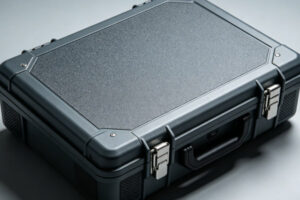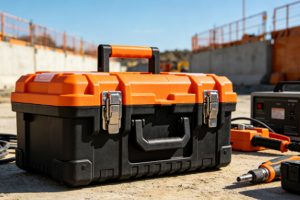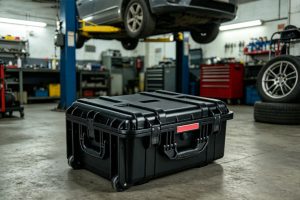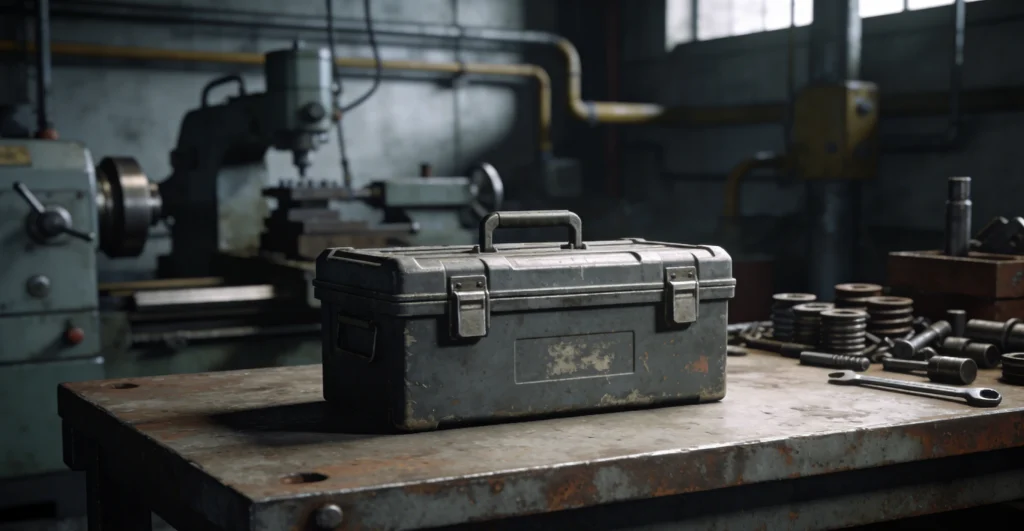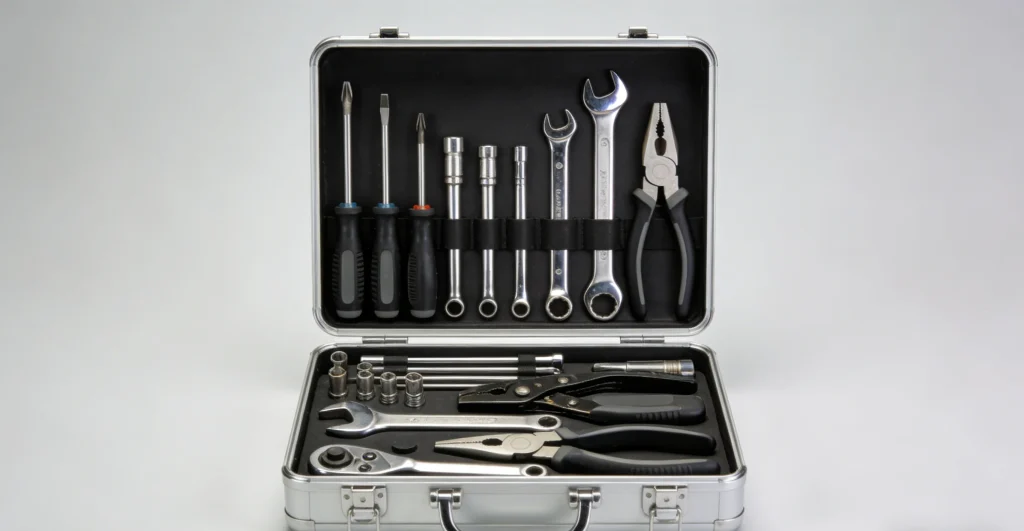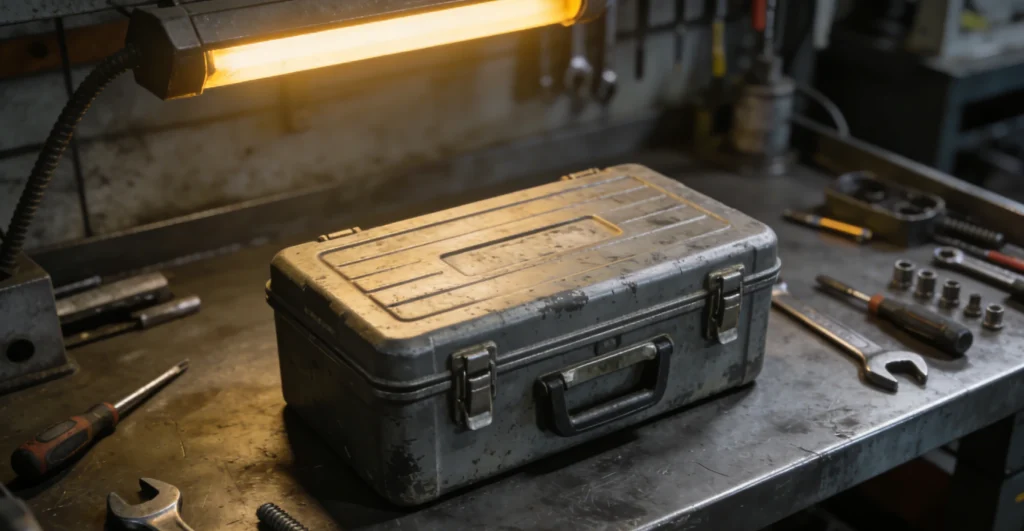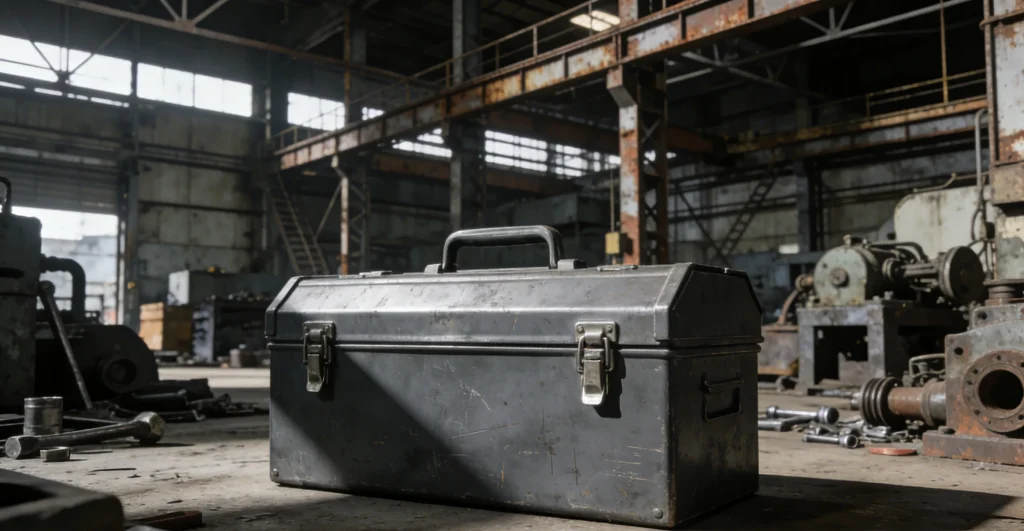
Mechanical repair work usually involves equipment inspection, component replacement, fault troubleshooting, and routine maintenance. These tasks require the use of many different types of tools, such as wrenches, screwdrivers, sockets, pliers, measuring instruments, and electric repair equipment. Without a proper tool storage method, maintenance workers may experience problems such as disorganized tools, difficulty finding equipment, and inconvenient transportation during work, which can affect repair efficiency. Mechanical tool boxes are designed to meet the actual needs of repair work. They not only provide centralized storage for various maintenance tools but also keep tools organized through internal compartments, drawers, and classified storage areas. For workers who frequently perform equipment maintenance, a suitable tool box can reduce preparation time and improve the speed of handling problems on-site.
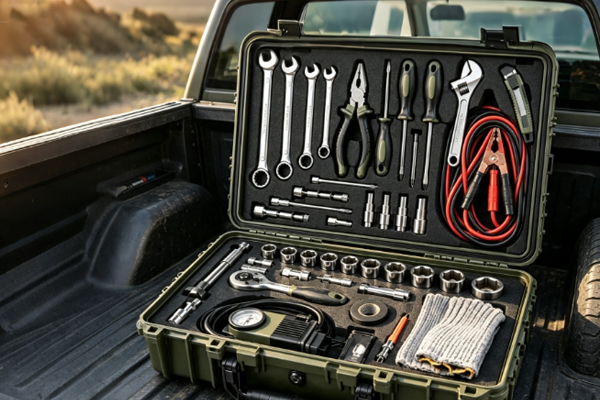
In mechanical repair environments, tools often need to move with workers, such as entering production workshops, outdoor equipment sites, or vehicle repair areas. Carrying loose tools directly not only makes them easy to lose but may also affect tool performance due to collisions, moisture, or dust. After using a professional tool box, tools can be provided with a protected storage space while making transportation and management more convenient. The reason mechanical repairs require tool boxes is not simply for storing tools, but to make the repair process more organized, safer, and more efficient. From small daily repairs to large equipment maintenance, a well-designed mechanical tool box can play an important role.
How Does a Tool Box Improve Mechanical Repair Efficiency?
During mechanical repair work, multiple tools are often required at the same time. If all tools are piled together, maintenance workers need to spend more time searching for the required equipment. Especially during emergency repairs, disorganized tools can reduce the speed of fault handling. Through different storage area designs, tool boxes can help maintenance workers establish clear storage habits. For example, small tools can be placed in drawer areas, large tools can be stored in the main box space, and frequently used tools can be placed in easily accessible locations. In this way, the required equipment can be quickly found during repair operations.
The functions of tool box classification management mainly include:
Improve Work Processes: Maintenance workers can store tools in fixed locations and return them after use, reducing repeated searching time.
Prevent Tool Loss: When the number of tools is large, the lack of unified management can easily result in missing tools. Tool boxes help check tool quantities and make daily management easier.
Keep the Working Area Clean: Repair sites often contain equipment parts, oil stains, and miscellaneous items. Centralized tool storage can reduce clutter in the working area.
A good tool management method allows maintenance workers to focus more on solving equipment problems and improve overall work efficiency.
The Protective Role of Tool Boxes for Repair Tools
Mechanical repair tools are usually made of metal materials. Although they have high strength, long-term exposure to collisions, moisture, and dust may still cause wear, rust, or reduced performance. If tools are left exposed for a long time, they can easily be affected by the working environment. For example, metal dust in workshops may attach to tool surfaces, rainwater during outdoor repairs may cause rust, and tools colliding with each other during transportation may result in surface scratches.
Mechanical tool boxes can provide a relatively stable storage environment for tools:
Reduce Tool Collisions: Internal compartments can separate different tools and prevent metal tools such as wrenches and sockets from hitting each other.
Reduce Environmental Impact: Closed tool boxes can reduce the entry of dust and moisture, providing a certain level of protection for tools.
Maintain Tool Condition: Proper storage can reduce tool wear and help repair equipment remain in normal working condition.
For precision measuring tools, electrical testing equipment, and other products, the protective function of tool boxes is even more obvious. Suitable storage methods can reduce maintenance costs and improve tool utilization.
Frequently Asked Questions
Why do mobile repair tasks require tool boxes more?
Many mechanical repair tasks are not completed in fixed workshops. For example, engineering equipment repairs, vehicle maintenance, and construction site inspections all require workers to carry tools to designated locations. Without a tool box, maintenance workers may need to repeatedly return to collect tools, which not only wastes time but may also result in missing important equipment. With a tool box, workers can prepare the required repair tools in advance and carry everything to the workplace at once.
Is a larger tool box always better?
The capacity of a tool box should be selected according to repair requirements. A larger tool box is not always more suitable. Although an oversized tool box can store more equipment, it also increases weight and may become inconvenient to move. If the main task involves small equipment repairs, a portable mechanical tool box may be more suitable. If large mechanical equipment needs to be repaired, a tool box with stronger load capacity and larger storage space is a better choice. Only by matching the number of tools with the box size properly can the tool box provide its actual value.
Mechanical repairs require tool boxes because tool boxes solve practical problems related to tool storage, transportation, protection, and management. During repair work, the number of tools is usually large and they are used frequently. Without proper management methods, work efficiency can easily be affected. A suitable mechanical tool box can help maintenance workers quickly find tools, reduce workplace confusion, and protect tools from external environmental impacts. Whether used for factory equipment maintenance, automotive repairs, or outdoor engineering inspections, tool boxes can provide stable support.
When selecting a mechanical tool box, it is necessary to consider tool types, usage frequency, and working environment. Proper dimensions, reliable structures, and clear internal layouts allow maintenance workers to perform tasks more conveniently. A mechanical tool box is not only a tool storage device but also an important auxiliary product for improving efficiency and ensuring tool safety during mechanical repair work. Through standardized management and proper use, repair operations can become smoother and equipment maintenance quality can be improved.