As small-scale household maintenance tasks become increasingly common, such as replacing lights, assembling furniture, wall repairs, and minor appliance fixes, the convenience of tool storage directly affects efficiency. Many families no longer settle for tools scattered around but prefer a drawer toolbox with clear structure and organized compartments. Focusing solely on appearance or capacity often leads to a suboptimal user experience, as the drawer layout, load-bearing capacity, and operational convenience are easily overlooked. Understanding how to choose a practical drawer toolbox is essential for improving home tool organization and ease of use.
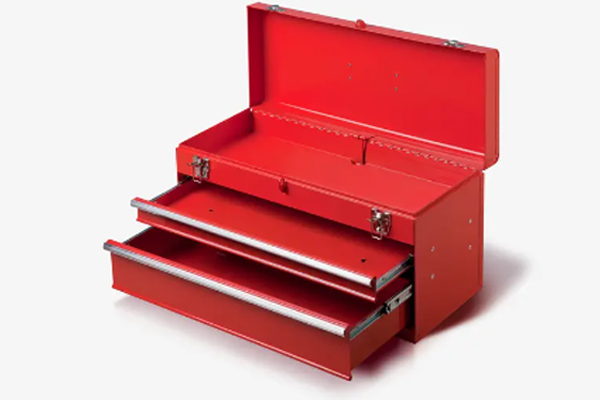
Choosing Drawer Structure Based on Tool Types
Although household tools are not as complex as professional construction equipment, they still include screwdrivers, drills, tape measures, and small parts. Without a well-designed drawer layout, tools can mix together, get lost, or require repeated searching, making a clear and well-organized drawer toolbox crucial.
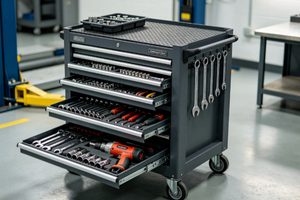
Multi-Layer Drawers for Clear Categorization
Multi-layer drawer structures allow tools to be classified according to type and usage frequency, helping maintain order and reduce time spent searching.
- Top drawers for high-frequency tools for easy daily access
- Middle drawers for power tools and common repair tools
- Bottom drawers for spare tools or larger parts
- Clear separation prevents repeated searching and clutter
Small Drawers for Parts Storage
Small items like screws, anchors, and washers are easily lost during household repairs. Dedicated small drawers improve storage safety and organization.
- Independent compartments prevent mixing
- Transparent drawers allow quick identification
- Organized storage enhances overall efficiency
Selecting Size and Layout Based on Space
Space constraints are common in homes. When choosing a drawer toolbox, capacity alone is not enough; consider placement, usage frequency, and mobility to ensure the toolbox doesn’t take up excessive space while meeting daily repair needs.
Compact Design for Small Apartments
Compact drawer toolboxes save space while maintaining functionality, making them ideal for smaller homes.
- Vertical design saves floor or desk space
- Stackable layers increase storage efficiency
- Suitable for balconies or storage cabinets
Horizontal Drawers for Medium Spaces
For homes with dedicated tool areas, horizontal drawer designs provide better classification and easier access.
- Horizontal layout makes retrieval convenient
- Detailed compartmentalization increases efficiency
- Suitable for families with frequent DIY or repairs
Large Capacity for DIY Enthusiasts
Families with extensive DIY activities or numerous tools benefit from large-capacity drawer toolboxes, offering ample storage and better centralized organization.
- Can accommodate drills, electric screwdrivers, and other equipment
- Deep drawers suitable for larger tools
- Provides stability for long-term use
Focus on Drawer Slides and User Experience
The core experience of a drawer toolbox depends on smooth operation and safety. Slide quality directly affects usability and durability. Choosing smooth and sturdy slides makes daily use effortless and reduces the risk of jams or damage.
Smooth Slides for Effortless Operation
High-quality slides ensure drawers open and close easily, allowing quick tool access and minimizing strain.
- Pulls smoothly without sticking
- High load capacity suitable for various tools
- Durable for long-term use
Anti-Drop Design for Safety
Drawers are frequently pulled out in daily use. An anti-drop feature prevents drawers from accidentally falling, ensuring safety.
- Prevents drawers from sliding out
- Stable during transport
- Enhances overall safety
Material Selection Affects Durability
The material of a drawer toolbox affects weight, durability, and suitability for different household environments. Choosing the right material ensures the toolbox is convenient, long-lasting, and fits daily home use.
Plastic: Lightweight and Practical
Plastic drawer toolboxes are easy to move and ideal for light household repairs.
- Easy to carry and handle
- Cost-effective with high value
- Suitable for everyday tool storage
Metal: Durable and Strong
Metal drawer toolboxes are suitable for larger tool collections or high-frequency use, offering better stability.
- Excellent load-bearing capacity
- High impact resistance
- Long-lasting performance
Composite: Balanced Performance
Composite materials balance lightweight convenience with structural stability, making them suitable for various home environments.
- Lightweight exterior
- Sturdy internal structure
- Versatile for multiple household scenarios
- Conclusion: Choosing the Right Toolbox Improves Home Efficiency
A well-structured drawer toolbox not only keeps household tools organized but also makes repairs and DIY tasks more efficient. From drawer layout and space planning to material selection, every aspect affects the overall user experience. The right toolbox ensures tools remain orderly, reduces search time, and makes daily home tasks simpler and more efficient. SIPHIA BOX offers drawer toolboxes designed for home use, making storage and tool access both practical and effortless.