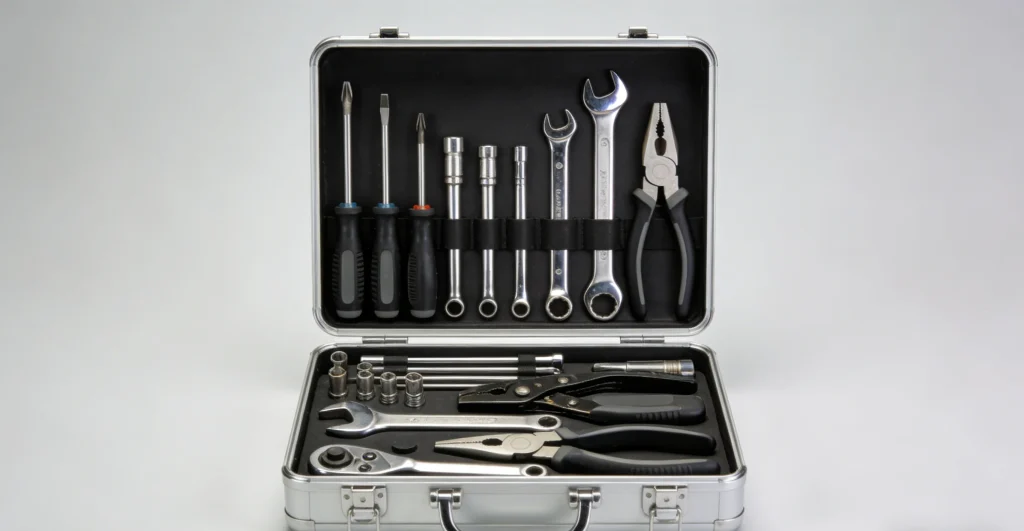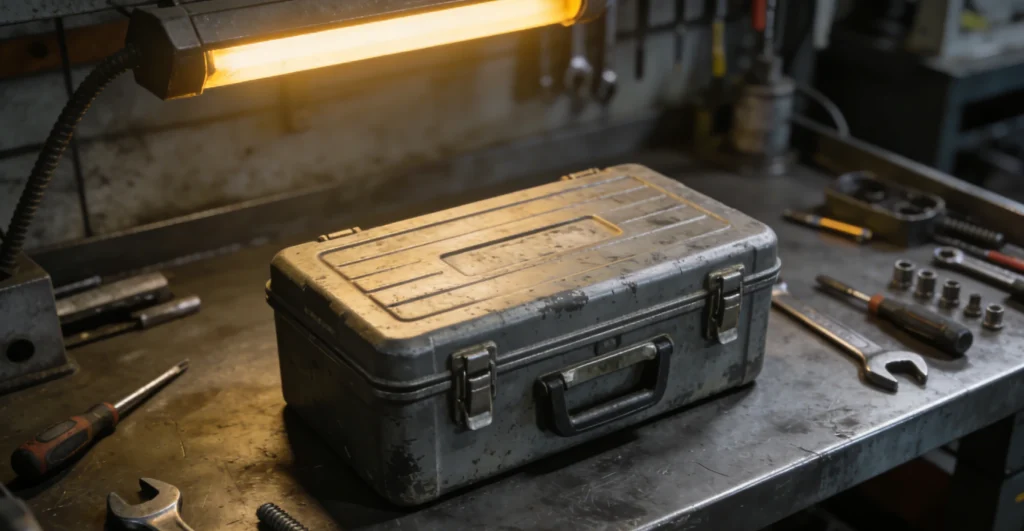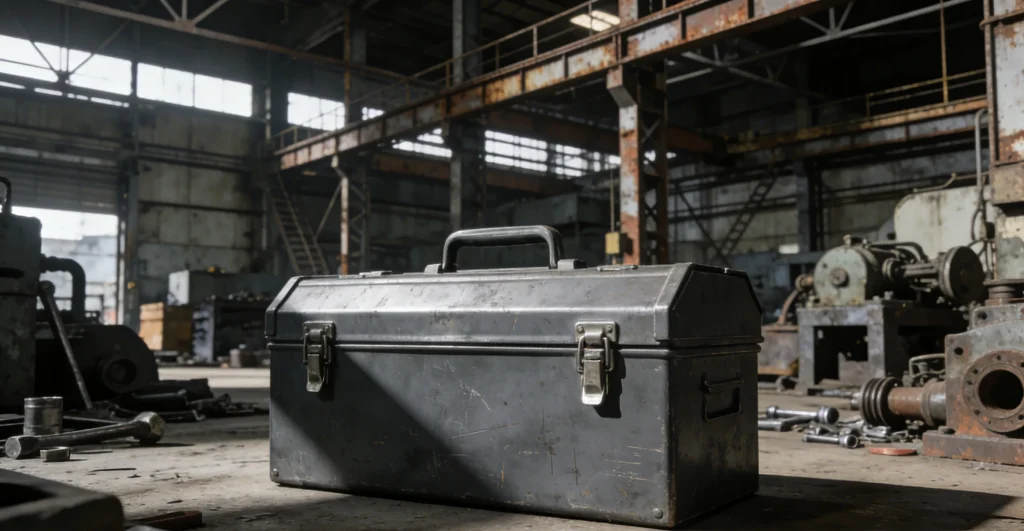
As industrial maintenance, automotive repair, and home DIY projects continue to grow in popularity, rolling toolboxes have gradually become an essential tool storage solution for many users. Compared with traditional handheld toolboxes, rolling toolboxes offer larger storage capacity while also improving tool mobility, making tool management much easier in complex working environments. However, with so many rolling toolbox styles, sizes, and materials available on the market, choosing the wrong one may lead to wasted space, poor organization, and reduced work efficiency. Understanding how to select the right rolling toolbox is important for improving workflow efficiency and maintaining long-term tool organization stability.
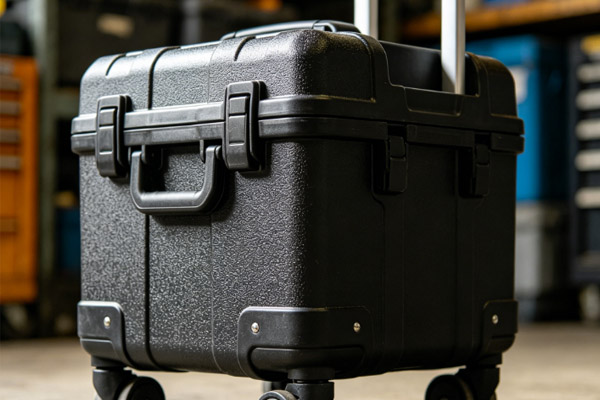
Choose the Right Type Based on Your Work Environment
Different working environments require different types of rolling toolboxes, so identifying your primary usage scenario is the first step before making a decision.
Industrial Maintenance Requires Greater Capacity and Durability
Industrial environments usually involve managing a large number of tools, so durability and load-bearing performance are especially important.
- Industrial maintenance often requires storing hand tools, power tools, and inspection equipment at the same time. A large-capacity rolling toolbox can reduce the need for frequent organization and provide a more efficient long-term storage solution.
- Many industrial workplaces are harsh and demanding, so metal construction is often preferred because it offers stronger impact resistance and better durability over time.
- Since heavy-duty tools can place significant stress on the wheels, stable and high-quality casters are also critical. Smooth rolling performance helps improve mobility while reducing long-term wear.
For industrial users, balancing storage capacity, durability, and mobility is the key to choosing the right rolling toolbox for demanding work environments.
Home and DIY Users Focus More on Flexibility
Home users are generally more concerned with convenience, mobility, and efficient space usage.
- The Toolbox Should Not Be Oversized
Garage and storage space in homes is often limited, so medium-sized rolling toolboxes are usually more practical for daily use while preventing unnecessary space occupation.
- Storage Layout Should Be Simple and Organized
Home repair tools are generally fewer in number, so a simple drawer layout can make organization easier and improve daily convenience.
- Easy Mobility Is More Important
Many home users move tools between garages, gardens, and indoor spaces, so lightweight designs provide a more comfortable and flexible user experience.
After selecting a toolbox based on household needs, overall tool management becomes much more convenient and organized.
Pay Attention to Internal Structure and Storage Design
A rolling toolbox should not only provide enough capacity but also include a practical internal structure. Good storage design can significantly improve working efficiency. Different tools require different storage methods, which makes layered organization very important.
- Frequently Used Tools Should Be Stored on Upper Levels:Commonly used tools should be placed in easy-to-reach positions to reduce unnecessary searching during work.
- Large Tools Need Independent Storage Areas:Power drills, inspection devices, and heavy tools usually require separate compartments to reduce collision and pressure damage.
- Small Parts Should Use Divided Compartments:Screws, washers, zip ties, and other small accessories can easily become disorganized. Divided storage sections help maintain a cleaner and more organized workspace.
With a proper storage layout, the entire workflow becomes more efficient and easier to manage.
Drawer and Locking Systems Are Equally Important
Many users overlook drawer structure when purchasing a rolling toolbox, but this directly affects long-term usability.
- Drawer Slides Should Operate Smoothly:High-quality drawer slides improve opening and closing stability while preventing sticking problems after long-term use.
- Locking Functions Improve Safety:If drawers slide open during movement, tools may scatter and create safety risks. Locking systems help maintain stability during transportation.
- Drawer Depth Should Match Tool Types:Different drawer depths are suitable for different tool categories. Proper depth combinations help maximize storage efficiency.
Better structural design can greatly improve the long-term user experience.
Material and Mobility Determine Durability
Rolling toolboxes are frequently moved and used in demanding environments, making materials and mobility systems extremely important.
Toolbox Materials Affect Service Life
Different materials are suitable for different working conditions, so selection should match actual usage requirements.
- Metal Toolboxes Offer Better Durability:Metal structures provide stronger impact resistance and are ideal for industrial repair and engineering environments where high-frequency use is common.
- Engineering Plastic Is More Lightweight:Plastic rolling toolboxes are lighter and better suited for home users and light-duty applications where easy transportation is preferred.
- Rust and Moisture Resistance Improve Protection:Protective designs help toolboxes remain stable and secure in humid or dusty environments while protecting valuable tools.
Choosing suitable materials can greatly extend the service life of a rolling toolbox.
Wheels and Handles Affect Mobility Experience
Mobility is one of the biggest advantages of rolling toolboxes, so design details should never be ignored.
- Wheels Should Be Stable and Smooth:High-quality wheels reduce movement resistance and maintain stability on uneven surfaces, significantly improving overall usability.
- Pull Handles Need Strong Construction:Handles must withstand repeated pushing and pulling forces while minimizing shaking during long-term use.
- Quiet Wheel Designs Improve Comfort:Modern rolling toolboxes increasingly feature quiet wheels that reduce movement noise and improve indoor working comfort.
A well-designed mobility system can greatly improve overall working efficiency.
Choose a Professional Solution for Long-Term Use
Modern tool management places greater emphasis on flexibility and long-term usability. As tool collections continue to grow, modular rolling toolboxes allow users to adjust drawers and storage sections freely for better space utilization. When additional tools are added, layouts can easily be reorganized without replacing the entire toolbox. Some modular sections can even be detached separately, making them ideal for temporary repairs and fieldwork. Modular design is quickly becoming one of the most important trends in modern rolling toolbox development.
Choosing the right rolling toolbox not only affects tool organization efficiency but also directly impacts daily repair experiences and long-term work stability. From storage structure and mobility performance to material selection and compartment design, every detail influences overall usability. As modern maintenance, construction, and DIY demands continue to grow, professional and systematic rolling toolbox solutions are becoming increasingly important for both professionals and home users.