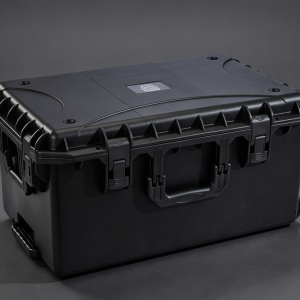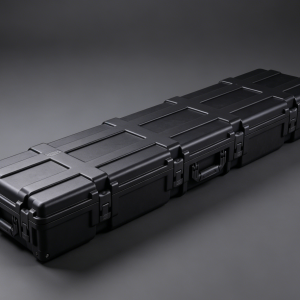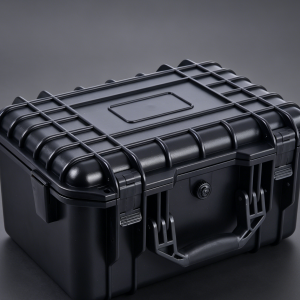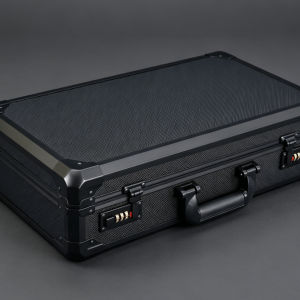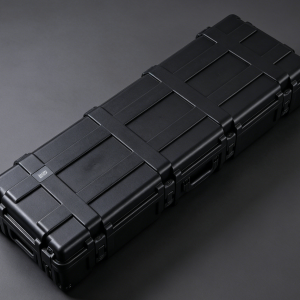
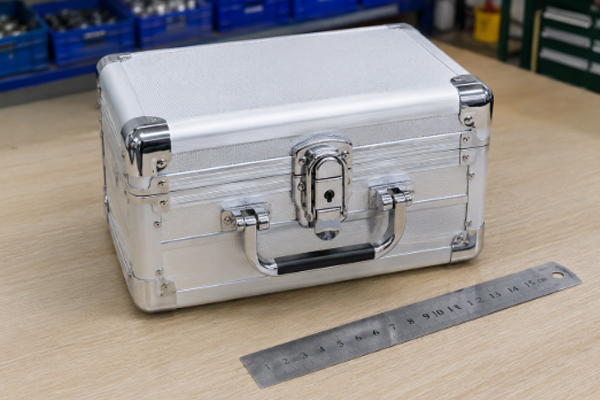
In industrial applications, maintenance work, engineering projects, and personal tool management, aluminum tool boxes not only serve as storage and transportation solutions for tools but also have dimensions and specifications that directly affect usability and portability. Different scenarios and requirements demand different tool box sizes. Through proper design and manufacturing processes, aluminum tool boxes achieve a wide range of functions, from lightweight portability to heavy-duty storage. Based on capacity, application, and carrying method, aluminum tool boxes can be categorized into handheld cases, desktop cases, drawer-type boxes, and large transportation cases, meeting the storage and protection needs of various tools and equipment.
What Are the Specifications and Dimensions of an Aluminum Tool Box?
The specifications and dimensions of an aluminum tool box refer to its external dimensions, capacity, and internal layout, which determine its application range and usage scenarios. Specifications typically include:
External Dimensions: Length, width, and height, which determine the space occupied by the tool box and its portability.
Internal Layout: The design of partitions, drawers, and cushioning layers, which affects tool organization and securing performance.
Load Capacity: Depending on the thickness of the aluminum alloy and the frame structure, the maximum load-bearing capacity of the tool box varies.
Different sizes of aluminum tool boxes are suitable for different applications:
- Small tool boxes are ideal for storing handheld tools and are convenient for engineers and technicians to carry.
- Medium-sized drawer tool boxes are commonly used for equipment maintenance and laboratory storage.
- Large transportation cases are suitable for enterprise equipment transportation and field engineering operations.
Aluminum Tool Box Size Design and Assembly
During the design and production process of aluminum tool boxes, dimension and specification planning is a critical step.
Requirements Analysis
First, determine the type, quantity, and volume of the tools or equipment, and evaluate the operating environment—whether it is indoor maintenance, outdoor construction, or precision equipment transportation. Based on these factors, external dimensions and internal layouts are designed to ensure that the tool box can accommodate all items while remaining easy to carry.
Structural Design
According to load-bearing requirements and portability needs, appropriate aluminum sheet thicknesses and aluminum profile frame sizes are selected. The design must consider box strength, corner protection, and latch positions to ensure the box does not deform during transportation or handling.
Internal Layout Design
When storing a large number of tools or equipment, partitions, drawers, or customized EVA foam inserts can be added to improve item organization and securing performance. For transporting precision instruments, cushioning layers or shockproof compartments are also designed to ensure transportation safety.
Production and Assembly
Aluminum sheets are cut according to the design dimensions, aluminum profile frames are manufactured, and the box body is assembled with locks, hinges, and handles installed. Different box sizes may require different manufacturing methods. Small cases can often be formed through direct bending, while medium and large cases may require reinforced frames and strengthening ribs.
Size and Specification Requirements
The dimensions of an aluminum tool box affect not only its capacity and portability but also its structural strength, internal protection, and transportation safety.
| Size Type | Typical Dimensions | Main Application | Technical Features |
| Small Handheld Case | 300 × 200 × 150 mm | Daily hand tool storage | Lightweight design, single-layer lining |
| Medium Drawer Case | 500 × 300 × 250 mm | Industrial maintenance, instrument storage | Multi-layer drawers, partitioned compartments |
| Large Transportation Case | 800 × 500 × 400 mm | Enterprise equipment transportation | Thick aluminum panels, EVA lining, shock and impact protection |
| Extra-Large Custom Case | ≥1000 mm Length | Field engineering, heavy equipment | Reinforced frame, wheel system, removable partitions |
Core Technical Requirements Include:
- Reinforced frame design to ensure stable load-bearing performance for large-sized cases.
- Internal partitions and cushioning materials to improve the stability of tools and equipment.
- Surface treatment and corner protection processes to prevent wear during transportation.
- Handle, telescopic handle, or wheel designs to improve portability for larger cases.
Through scientifically designed dimensions and specifications, aluminum tool boxes can balance capacity, safety, and portability in different applications, improving both tool management and transportation efficiency.
Frequently Asked Questions
How Do You Choose the Right Aluminum Tool Box Size?
When selecting a tool box, users should consider the application scenario, tool type, and carrying method.
- Small handheld tool boxes are suitable for daily maintenance work and short-distance carrying.
- Medium-sized drawer cases are ideal for laboratory use or equipment maintenance storage.
- Large transportation cases are suitable for long-distance transportation and outdoor construction projects.
If precision instruments need to be transported, priority should be given to internal cushioning and partition designs rather than focusing solely on size. Enterprise users can also customize dimensions according to storage space and transportation requirements to improve logistics efficiency and operational convenience.
The dimensions and specifications of an aluminum tool box determine not only how many tools it can hold but also its convenience and protective performance. Proper size design allows for more efficient tool organization, safer transportation, and easier handling. Whether for individual maintenance engineers, enterprise equipment transportation, or field engineering projects, selecting the appropriate aluminum tool box size can significantly improve workflow efficiency. When purchasing, do not focus only on appearance or price. Instead, consider actual usage requirements and pay close attention to load-bearing capacity, internal layout, and protective design. This ensures that the aluminum tool box delivers its full value, providing safe and reliable protection for tools and equipment during both daily use and transportation.