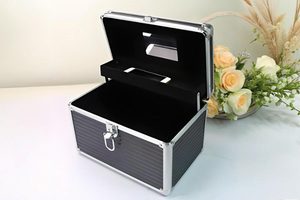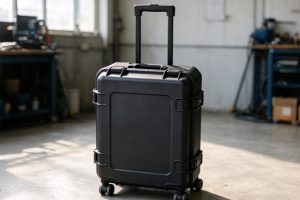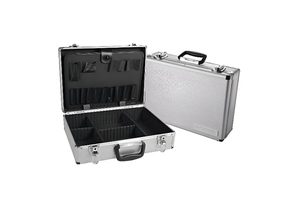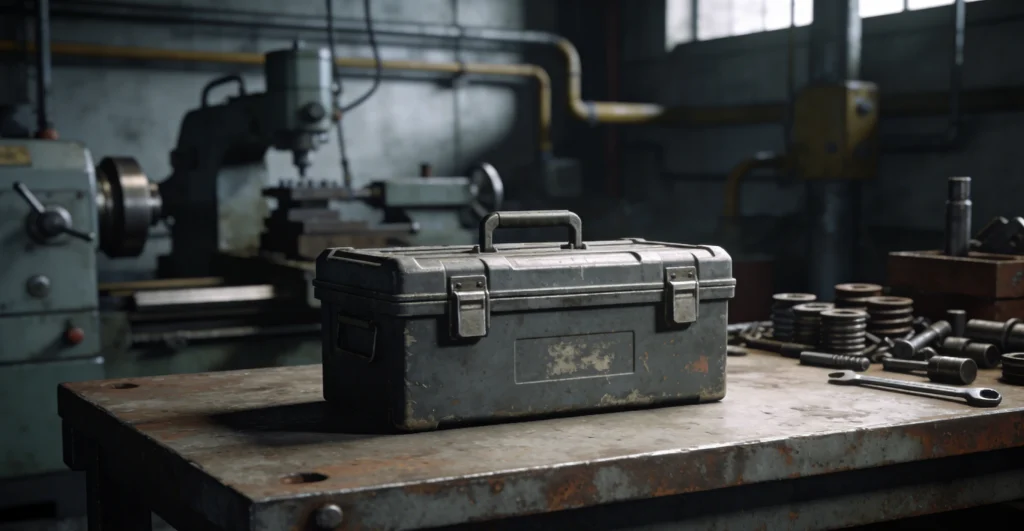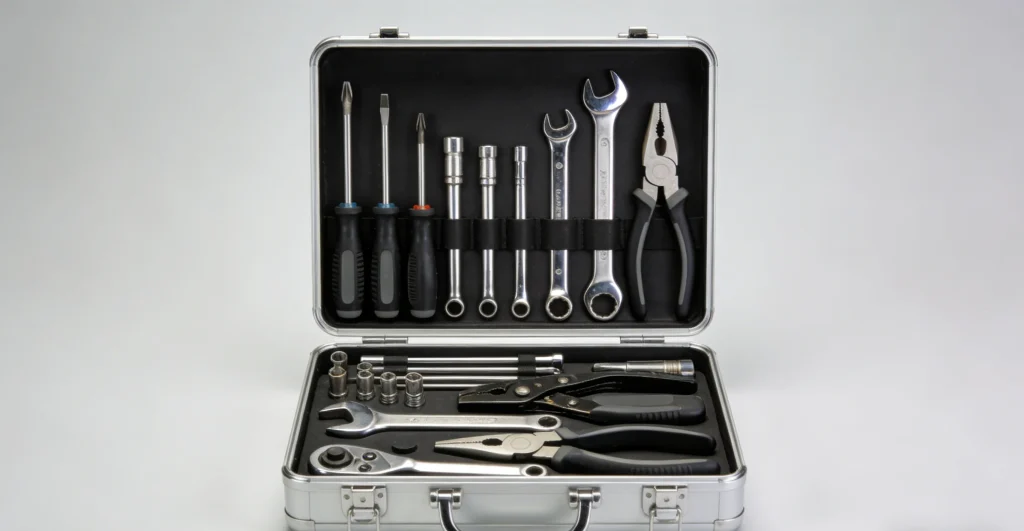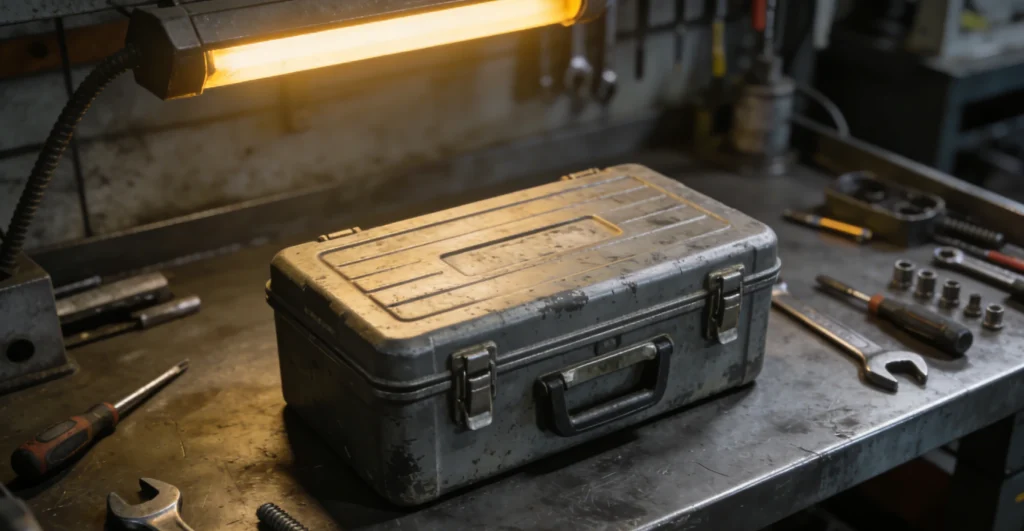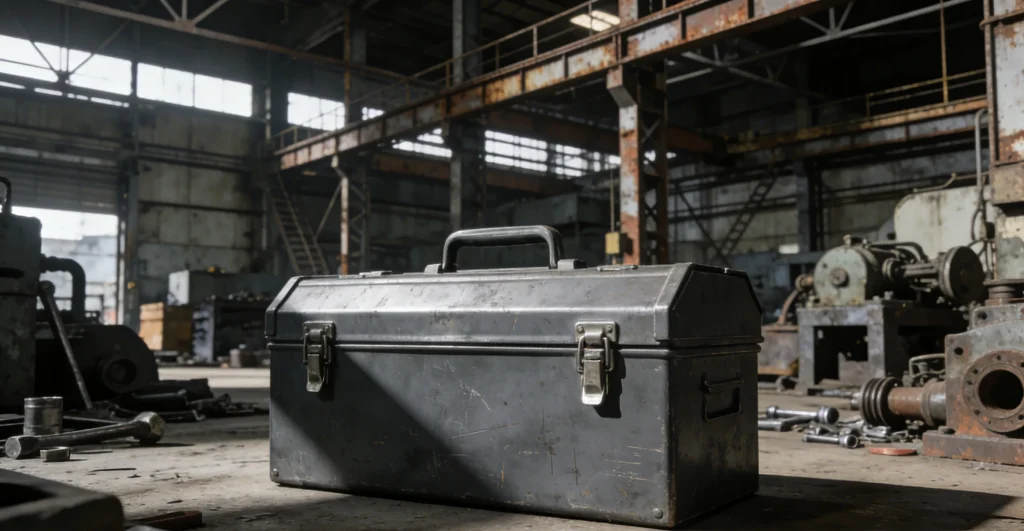
When purchasing a toolbox, many people tend to focus on capacity first, believing that a larger toolbox can meet more future needs. However, in actual use, a bigger toolbox is not always the better choice. An oversized toolbox may increase carrying difficulty and waste storage space, while a toolbox that is too small may not hold all the necessary tools. Different users have different requirements depending on their working environment, the number of tools they own, and how often they need to move their tools. When choosing a toolbox, factors such as size, internal layout, material, and portability should all be considered. Selecting the right size can improve tool organization and provide better protection.
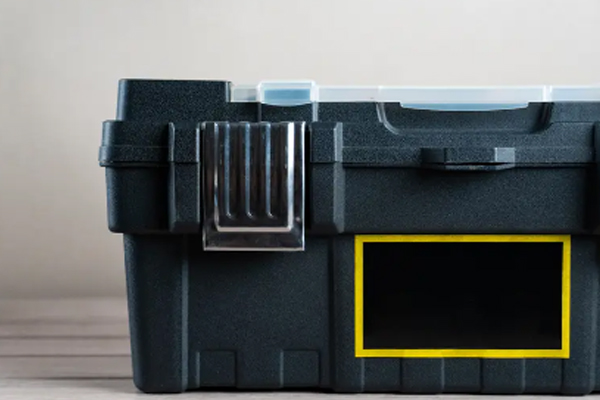
Toolbox Size Should Be Selected Based on the Usage Scenario
The main purpose of a toolbox is to organize, carry, and protect tools, but different situations require different capacities. A large toolbox may not be suitable for simple home repairs, while a small toolbox may not meet the needs of professional workers. Before purchasing, understanding your actual usage environment is essential.
Professional Repair Work Requires Greater Storage Capacity
For repair technicians, engineers, and skilled workers, toolboxes usually need to store various types of equipment, including wrenches, pliers, power tools, and spare parts. These users usually pay more attention to capacity and durability.
- Large toolboxes are suitable for storing professional equipment. For users with many tools, a large-capacity design provides more storage space and makes it easier to organize different tools.
- A practical layout is more important than simply increasing capacity. Toolboxes with compartments and storage sections can reduce clutter and improve work efficiency.
- A strong structure is suitable for long-term use. In professional working environments, toolboxes are often moved frequently, and a durable structure can extend service life.
Although large toolboxes can meet more storage needs, users should still choose according to their actual tool quantity. If there are not many tools, excessive space may reduce organization efficiency.
Home Repairs Are Better Suited to Medium-Sized Toolboxes
For household use, toolboxes are usually used for basic repairs, such as furniture installation, small fixes, and daily maintenance. In these situations, extremely large toolboxes are often unnecessary.
- Medium and small toolboxes are easier to store at home. Their compact size can hold common tools while taking up less storage space.
- Lightweight designs make daily use more convenient. Since household toolboxes are frequently moved around, lighter products are easier to carry.
- Clear organization improves the user experience. A well-designed interior allows users to quickly find screwdrivers, tapes, and other small tools.
For most households, practicality is more important than maximum capacity. Choosing a toolbox that matches daily needs can prevent unnecessary storage problems.
Toolbox Capacity Should Match Tool Quantity and Tool Types
The right toolbox size depends not only on how many tools you have but also on what types of tools need to be stored. Some tools are small but numerous, while others require much more space despite being fewer in quantity. A proper evaluation can help avoid choosing a toolbox that is either too large or too small.
Plan Capacity According to Existing Tools
Before buying a toolbox, it is better to organize your current tools and understand your main storage requirements. Planning ahead can prevent insufficient space in the future.
- Basic repair tools are suitable for smaller toolboxes. If you mainly store screwdrivers, measuring tapes, and pliers, a compact toolbox can meet your needs.
- Multiple tool combinations require larger storage space. When the number of tools increases, a larger toolbox can provide better organization.
- Extra space allows future expansion. Leaving some room makes it easier to add new tools without replacing the toolbox.
Choosing the right capacity helps the toolbox meet current needs while also adapting to future changes.
Different Tools Require Different Internal Structures
Besides capacity, the internal design of a toolbox also affects usability. A good toolbox should not only hold tools but also make them easy to organize and access.
- Drawer-style toolboxes are suitable for classified storage. Multiple drawers allow different tools to be stored separately and improve management efficiency.
- Adjustable dividers make space more flexible. Users can change the layout according to tool sizes, making better use of the available space.
- Reinforced structures are suitable for heavier tools. Equipment such as drills and measuring devices require stronger support.
A toolbox’s value is not only determined by how much it can hold. A well-designed structure can greatly improve the overall user experience.
Problems Caused by Choosing an Oversized Toolbox
Many users believe that buying the largest toolbox means being fully prepared for the future. However, oversized toolboxes can also create problems, especially when frequent movement or limited storage space is involved.
Large Toolboxes May Reduce Portability
As toolbox size increases, weight and storage requirements also increase. For users who often carry tools to different locations, portability becomes an important consideration.
- Extra weight can reduce carrying efficiency. A fully loaded large toolbox may require more effort to move.
- Oversized designs may be inconvenient during transportation. When vehicle space or working areas are limited, a large toolbox may become less practical.
- More storage space is required. In small workshops or homes, oversized toolboxes may occupy unnecessary space.
When selecting a toolbox, users should balance storage capacity with mobility instead of focusing only on size.
Large Toolboxes Are Not Always Suitable for Small Spaces
A larger toolbox does not always provide better performance. If the working environment is limited, a large-capacity product may not offer real advantages.
- Fixed work areas can benefit from larger toolboxes. In workshops or garages with enough space, large toolboxes can improve organization efficiency.
- Mobile work requires more suitable sizes. Users who frequently carry tools should consider products with better portability.
- The working environment should determine the toolbox size. The right size can balance storage ability and convenience.
Before purchasing a toolbox, understanding where and how it will be used is more important than simply choosing the largest option.
Material and Design Details Also Matter When Choosing a Toolbox
Size is only one factor when selecting a toolbox. Material quality, structural design, and functional details also affect long-term performance. A good toolbox should provide reliable storage, protection, and convenience.
Material Determines Toolbox Durability
Toolboxes often carry heavy equipment, so the material directly affects their service life. Professional users especially need products with stable performance.
- Aluminum toolboxes provide strong protection. Aluminum alloy is lightweight while offering good impact resistance, making it suitable for long-term use.
- A durable outer shell protects stored tools. A strong structure can reduce damage caused by bumps and impacts during transportation.
- High-quality materials reduce replacement costs. A durable toolbox can provide longer service life and better value.
Choosing a toolbox made from reliable materials helps protect tools and improves overall usability.
Functional Features Affect Daily Experience
In addition to basic storage capacity, details such as locks, handles, wheels, and fixing systems also influence convenience during use.
- Strong locks improve safety. Reliable locking systems can prevent the toolbox from opening accidentally during transportation.
- Comfortable handles make carrying easier. Ergonomic handle designs can reduce discomfort when moving tools.
- Wheels are useful for larger toolboxes. For heavy toolboxes, wheels can greatly improve mobility.
- Protective features improve overall performance. Dustproof and moisture-resistant designs help keep tools in better condition.
So, is a bigger toolbox always better? The answer is no. The best toolbox is the one that matches your actual needs. Large toolboxes are suitable for professional users and those who need to store many tools, while medium and small toolboxes are often better choices for household repairs and everyday use. When purchasing, do not focus only on capacity; consider material, structure, portability, and functionality as well. Siphia Box provides various toolbox solutions to help users choose the right storage products for different applications and improve tool management efficiency.