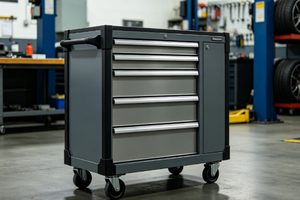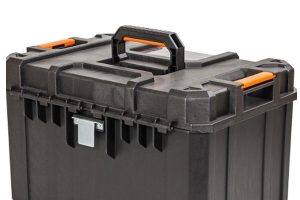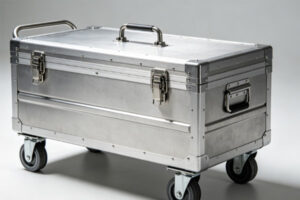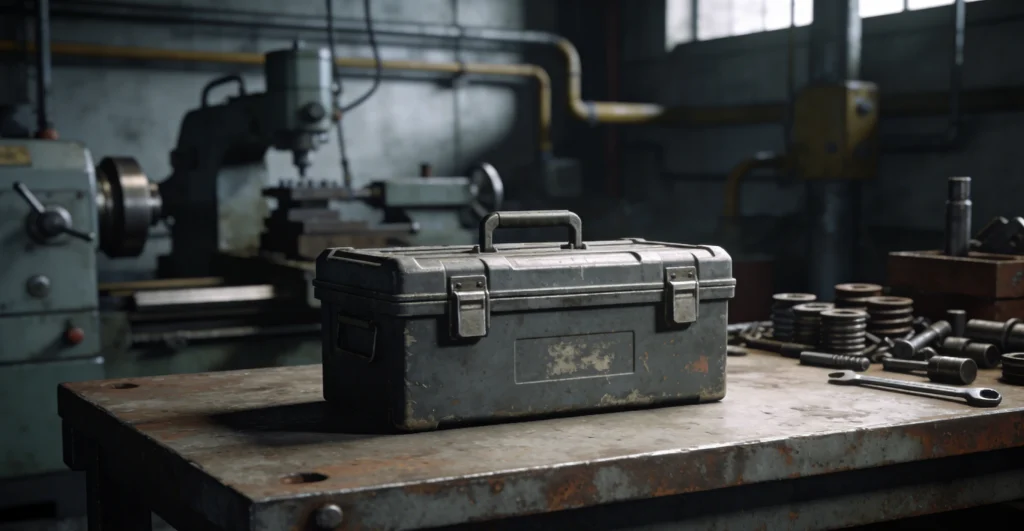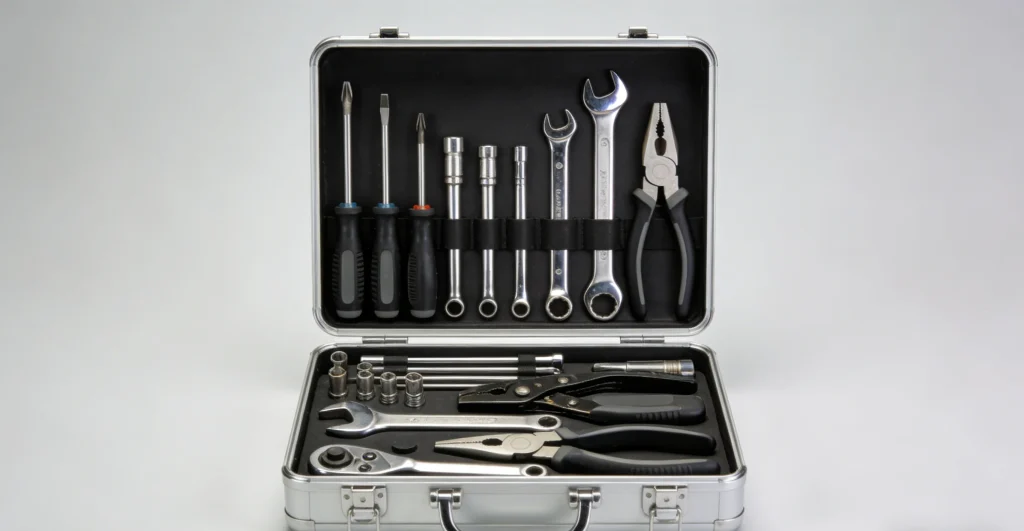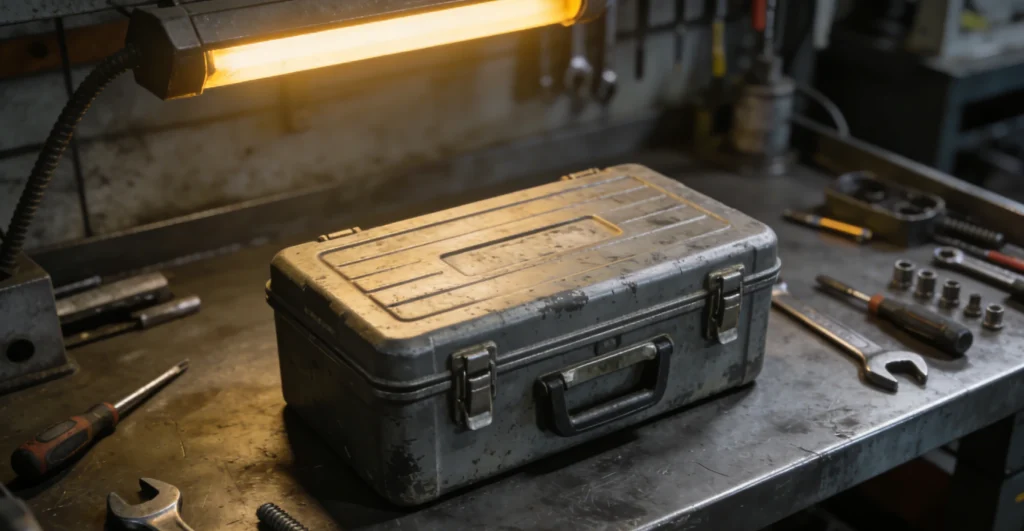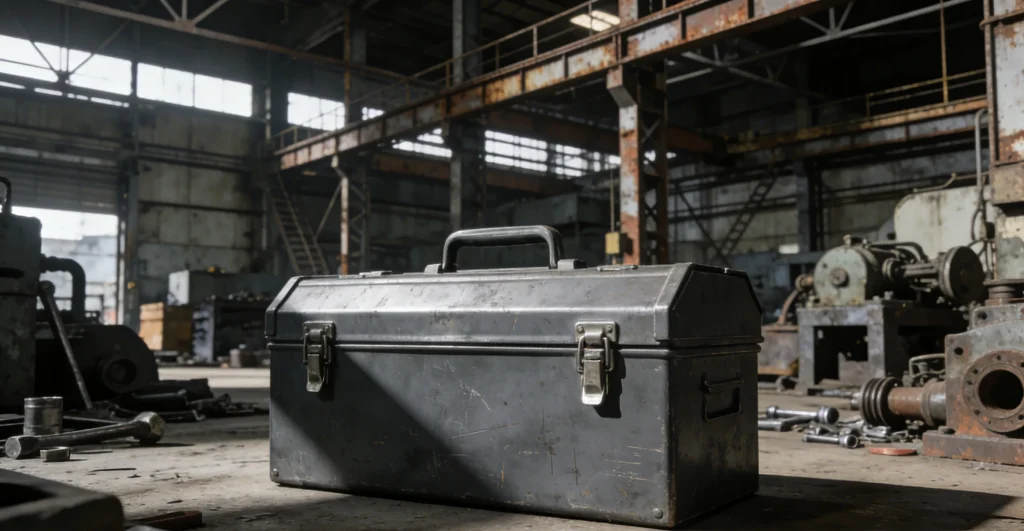
In auto repair shops, equipment maintenance sites, and industrial assembly environments, efficiency often depends on whether tools are easy to access, easy to move, and easy to organize. A professional rolling tool box is designed specifically for these high-frequency work scenarios. It combines storage, transportation, and classification into one system, allowing tools to stay aligned with the workflow at all times. For users who want to reduce clutter and improve on-site response speed, it is not just a container for tools, but a more efficient tool management solution.
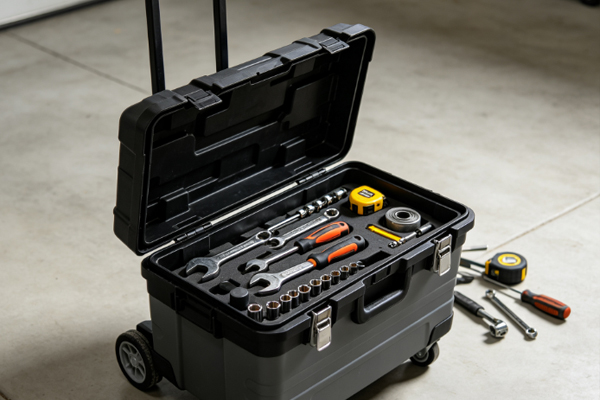
Rolling Design Keeps Tools Moving with the Workstation
Traditional tool boxes require manual carrying, and once the number of tools increases, work rhythm is easily interrupted. A professional rolling tool box uses a mobile structure to bring tools directly to the work area, reducing unnecessary walking back and forth.
Reduces Time Spent on Back-and-Forth Retrieval
The most direct advantage of a rolling tool box is that it allows commonly used tools to be brought to the site at once, avoiding repeated trips to the tool room or warehouse.
- Tools can be loaded together and pushed directly beside the workstation for immediate use during repairs.
- Frequently used tools do not need to be carried back and forth, saving a significant amount of fragmented time.
- For auto repair, assembly, and inspection personnel, this efficiency improvement is especially noticeable.
When tools remain within the working radius, the workflow becomes more continuous and on-site efficiency increases.
Suitable for Continuous Multi-Station Work
For users who need to switch between workstations frequently, a rolling tool box can move with the task, reducing the hassle of repeated organization. One tool box can be used in rotation across multiple stations. When moving to a new location, you only need to push the unit—there is no need to redistribute tools, making it especially suitable for continuous work scenarios.
Layered Storage Makes Tools Faster to Find
Many times, low efficiency is not caused by poor operation, but by slow tool retrieval. Professional rolling tool boxes usually adopt drawer-style, compartmentalized, or modular designs so that each tool has a fixed place.
Place Frequently Used Tools Where They Are Easiest to Reach
Putting high-frequency tools in easy-to-access positions can shorten preparation time and make operations smoother.
- Screwdrivers, wrenches, pliers, and similar tools are suitable for upper or shallow drawers.
- Once tool positions are clearly defined, users do not need to search repeatedly.
- After habits are formed, retrieval becomes more natural, which is especially suitable for fast-paced repair sites.
When commonly used tools follow a fixed layout, users can almost reach for them by habit, which greatly helps improve efficiency.
Small Accessories Are Easier to Classify
Loose accessories can easily create confusion if they are not clearly separated, and the compartment design of a rolling tool box solves this problem well.
- Screws, bits, connectors, washers, and similar accessories can be stored in separate compartments.
- This reduces loss, misplacement, and duplicate purchases.
- For users who need precision repairs, the clearer the classification, the more stable the operation.
Clear classification not only makes tools easier to find, but also reduces rework caused by accessory confusion.
Easier to Put Back, Easier to Manage
Whether tools can be quickly returned after use directly affects the smoothness of subsequent work, and fixed-position design is the key.
- Each tool has a designated place, making it easier to return after use.
- Team members can also quickly understand the layout, reducing communication costs.
- Over time, tools stay neater and site management becomes easier.
When returning tools becomes simple, tool management becomes more stable and the work environment becomes more orderly.
Stable Structure Makes On-Site Operation Safer
A professional rolling tool box must not only move well, but also remain stable during movement. A well-designed structure can reduce shaking, collisions, and wear, keeping tools in good condition during frequent use.
Stronger Load-Bearing Capacity
In repair and industrial environments, tools are often heavy, so the load-bearing capacity of the tool box directly affects user experience and safety.
- Metal tools, power tools, and heavy accessories can all be stored securely.
- It is not easy to deform during pushing, making it suitable for long-term high-load use.
- For industrial sites and repair shops, the more stable the structure, the more reassuring the work.
The stronger the load-bearing capacity, the better the tool box can adapt to complex environments and long-term high-frequency use.
Protects Tools and Reduces Wear
If tools are stored together for long periods, they are not only more likely to be damaged, but also increase future maintenance costs. A professional rolling tool box uses layered and compartmentalized design to keep tools in separate spaces, reducing collisions and friction. At the same time, dustproof and impact-resistant structures can further protect tool condition and extend service life. As a result, tools last longer, repair and replacement costs are lower, and overall use becomes more worry-free.
Adapts to More Scenarios and Is More Cost-Effective in the Long Run
The value of a professional rolling tool box is not only that it is “easy to use today,” but also that it can continue to be used in the future. It can be adjusted as tool quantity and work content change, making it suitable for long-term investment.
Suitable for Auto Repair, Factories, and Warehousing Scenarios
Different scenarios have different requirements for tool management, and the flexibility of a rolling tool box gives it a wider range of applications.
- Auto repair technicians need to move frequently, and a rolling tool box improves response speed.
- In factory maintenance and equipment inspection scenarios, classified storage is more conducive to standardized operations.
- Warehousing and installation teams can also use it to improve on-site organization efficiency.
Whether for high-frequency repairs or daily maintenance, a rolling tool box can provide more efficient tool support.
More Flexible with Expandable Combinations
As the number of tools increases, traditional tool boxes often become insufficient very quickly, while modular expansion capabilities can extend the service life.
- When tools increase, you can continue to expand modules or add storage layers.
- There is no need to frequently replace the entire unit, keeping usage costs more controllable.
- For growing teams, this flexibility is better suited for long-term planning.
This sustainable expandable design allows the tool box to meet current needs while adapting to future changes.
Makes Tool Management More Professional
A tool box is not only a storage device, but also a reflection of on-site management standards. Professional design helps teams establish better work order.
- A neat tool system can improve the site image.
- Standardized storage helps build a more efficient workflow.
- For businesses, this standardized management approach is more conducive to unified training and execution.
When tool management becomes standardized, both team execution efficiency and professional image improve at the same time.
The reason a professional rolling tool box can improve work efficiency lies in the fact that it integrates mobility, storage, classification, and protection into a smoother system, keeping tools in a state where they can be accessed quickly at any time. Whether in an auto repair shop, an industrial site, or a daily maintenance setting, choosing the right rolling tool box can reduce wasted time and improve operational continuity. SIPHIA BOX provides durable, flexible, and professional tool storage solutions to help make every tool retrieval more efficient.