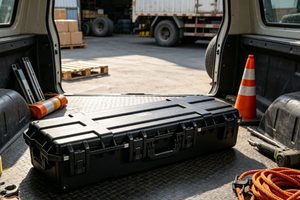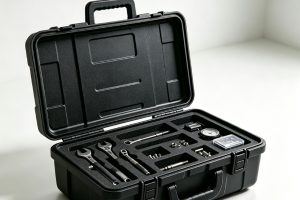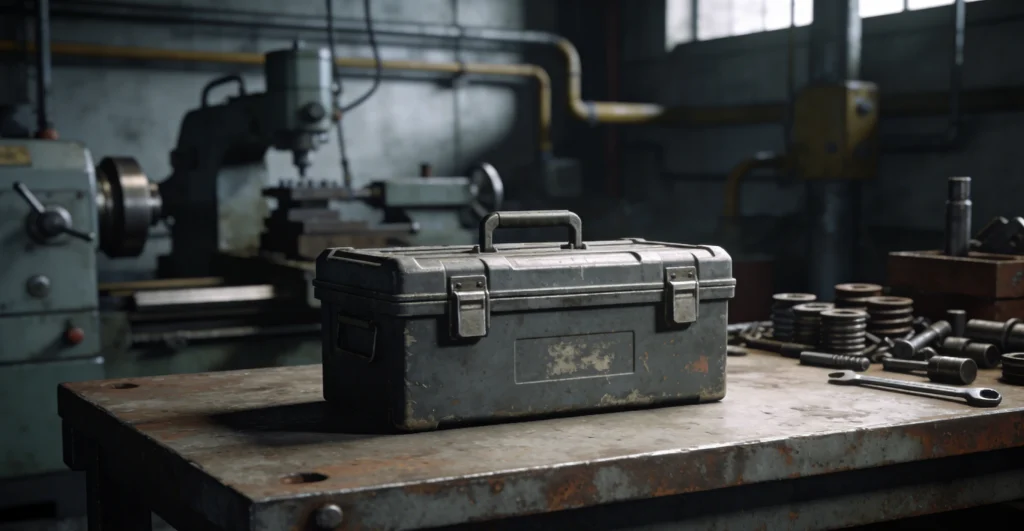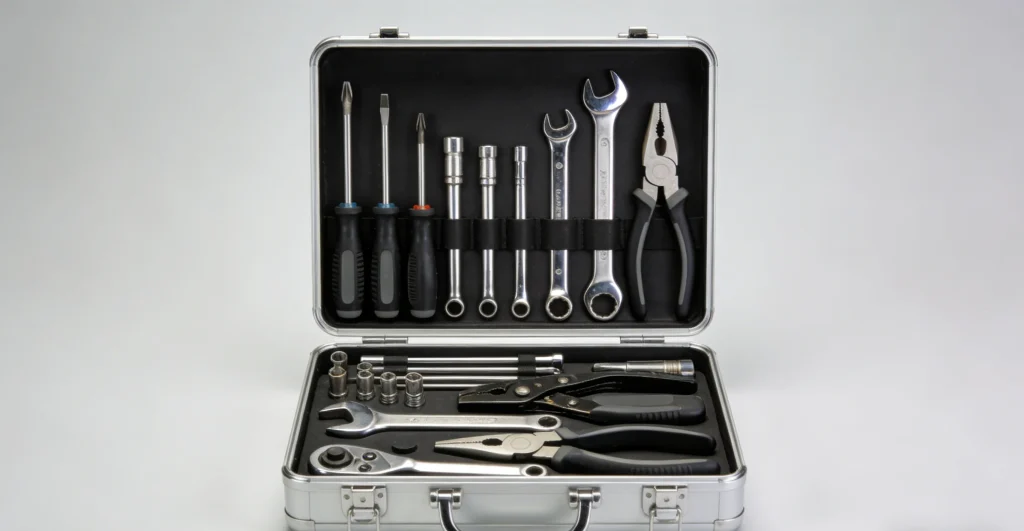
In today’s world, where the variety of tools keeps increasing and work pace continues to accelerate, a single fixed storage method can no longer fully meet practical needs. Modular toolboxes, with their combinable, expandable, and classifiable features, are being chosen by more and more maintenance workers, factory teams, and household users. They not only make tool storage more organized, but also allow flexible configuration adjustments according to different scenarios, helping users improve efficiency, reduce clutter, and manage tools in a more professional and worry-free way. For users who want to optimize space utilization and build a long-term storage system, a modular toolbox is no longer just a container for tools, but a management solution that better fits modern usage habits.
Modular Toolboxes Are Suitable for High-Frequency Maintenance Scenarios
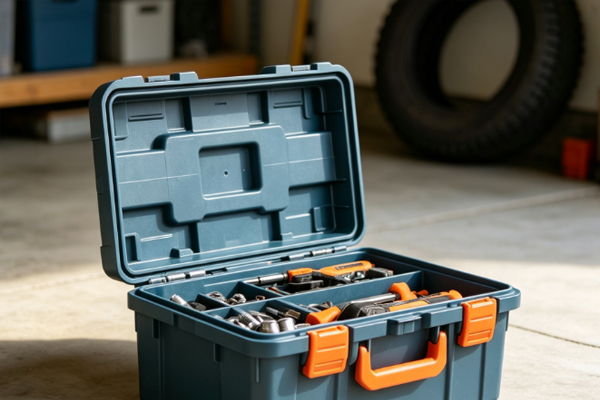
The most common application scenario for modular toolboxes is maintenance environments where tools need to be accessed frequently and work locations often change. Their mobility and classification capabilities can significantly improve on-site efficiency and help maintenance personnel maintain a clearer tool management method during busy work schedules.
Car Repair Requires Faster Response
During car repair work, there are many types of tools, they are used frequently, and many operations need to be completed in a short time. Modular toolboxes can centrally manage commonly used tools, making the repair process smoother.
- Common tools such as wrenches, sockets, and screwdrivers can be stored in layers across different modules. This not only reduces search time, but also allows maintenance workers to find the right tool more quickly when needed.
- Maintenance workers can directly push the toolbox next to the workstation. The tools move with the person, reducing back-and-forth walking time and making on-site operations more continuous.
- For workshops that require continuous work, tool access becomes more convenient, the overall repair rhythm becomes more stable, and high efficiency is easier to maintain.
Car repair scenarios are highly suitable for modular toolboxes to improve response speed and on-site work efficiency.
Equipment Maintenance Is Better Suited to Standardized Management
In equipment inspection, electromechanical maintenance, and similar scenarios, whether tool management is clear often directly affects work quality and maintenance efficiency. Modular toolboxes can store testing tools, disassembly tools, and small accessories separately, giving each type of tool a fixed place and reducing the confusion caused by mixed storage. At the same time, a unified storage method also makes team collaboration and onboarding easier, while daily inventory checks and tool return become simpler, resulting in more efficient overall management.
Modular Toolboxes Are Suitable for Industrial and Production Environments
Industrial sites require toolboxes that are not only “able to hold tools,” but also “durable, stable, and easy to manage.” Modular toolboxes perform better in these aspects, making them especially suitable for production environments with long-term, high-frequency use, and better able to meet the practical demands of complex working conditions.
Workshop Operations Value Load Capacity and Stability More
Factories, assembly lines, and production workshops usually involve heavier tools and higher usage frequency, so toolboxes must not only hold more tools, but also remain stable during movement and use.
- Modular toolboxes usually have better load-bearing capacity and can safely store metal tools, power tools, and some heavier maintenance equipment.
- Their stable structure makes them less likely to wobble during movement. Even in workshop environments with less-than-ideal floor conditions, they can still provide a good user experience.
- Under long-term, high-frequency use, they can still maintain good storage condition and are less likely to deform or wear out noticeably due to frequent opening, closing, or transportation.
For workshop environments, a stable and durable modular toolbox better meets long-term usage needs and is more suitable for high-intensity work rhythms.
Warehousing and Inspection Require Flexible Combinations
In warehouse inspections, production line maintenance, on-site installation, and similar tasks, tool requirements are not fixed, and the tool combinations needed for different tasks often change. Therefore, a modular toolbox with flexible combinations has a clear advantage.
- Different module combinations can be selected according to the day’s tasks, reducing unnecessary carrying burden and allowing workers to bring only the tools they truly need.
- Commonly used modules can be used independently, while less frequently used modules can remain in fixed locations for centralized management. This is convenient for access and improves overall management efficiency.
- When new tools are added later, only modules need to be expanded; there is no need to replace the entire toolbox. This keeps usage costs more controllable and makes the expansion process more natural.
This flexible combination method makes industrial tool management easier and more efficient, and it is especially suitable for work models with frequent task changes.
Modular Toolboxes Are Also Suitable for Home and Personal Use
Many people think modular toolboxes are only suitable for professional settings, but in fact, household users can benefit from them as well. Especially for families with an increasing number of tools, modular storage makes it easier to stay organized and quicker to find the right tool when needed.
Home Repairs Require Clear Classification
Although household tools are not as complex as those in industrial settings, as daily repair, installation, and simple renovation needs increase, the variety of tools also grows. Therefore, clear classification becomes very important. Modular toolboxes can store daily repair tools, gardening tools, measuring tools, and small parts separately, giving each category a fixed place. This not only makes searching easier, but also reduces the risk of losing accessories such as screws and drill bits caused by mixed storage, while making garages, storage rooms, or balconies look tidier.
DIY Enthusiasts Are Better Suited to Flexible Expansion
For users who enjoy crafts, models, modifications, or woodworking, tools tend to increase with each project, and different projects often require different tool combinations. That is why the flexible expandability of modular toolboxes is so practical.
- Modular toolboxes can be organized by project, preventing all tools from being piled together and allowing each project’s tools to remain independently managed.
- When new tools are added, modules can simply be added without reorganizing the entire storage system, keeping usage costs more controllable and adjustments easier.
- They are suitable for users who accumulate tools over time, offering a storage system with room to grow and improve as interests and projects change.
For DIY users who continuously expand their tool collection, modular toolboxes are not only practical, but also better aligned with long-term use and ongoing upgrades.
Modular Toolboxes Are Suitable for Users Who Need Long-Term Tool Management
The value of modular toolboxes is not only in solving immediate storage problems, but also in their ability to adapt to future changes. For users who value efficiency and order, this long-term value is very important and is one of the reasons modular toolboxes are becoming increasingly popular.
Suitable for Unified Team Management
Businesses, stores, and maintenance teams often need to share tools among multiple people. Without a unified management method, tool confusion, unclear handovers, and duplicate purchases can easily occur. Modular toolboxes can help establish a more standardized management system.
- Fixed tool locations reduce communication costs. Team members do not need to repeatedly ask where tools are stored and can access them more quickly.
- A unified storage method helps improve the professional image of the site, making the work area look cleaner and more organized, and better aligned with modern enterprise management requirements.
- It is easier to inventory, hand over, and maintain tools, making the management process clearer and reducing omissions and losses.
Unified management not only improves efficiency, but also makes team collaboration smoother, making it more suitable for scenarios that require long-term standardized operation.
Suitable for Users Who Pursue Efficiency and Professionalism
As tool management becomes more standardized, work efficiency also improves. For users who want to make tool usage more organized and efficient, a modular toolbox is a more worthwhile long-term investment.
- Tools are quicker to access and easier to return, making the entire workflow smoother and reducing time wasted searching for tools.
- Tool wear is reduced and service life is extended, because proper classification and independent storage help minimize collisions, friction, and unnecessary damage.
- Overall management becomes more professional and better aligned with modern work needs. Whether for personal use or team collaboration, it reflects higher efficiency and a stronger sense of order.
For users who pursue efficiency and professionalism, a modular toolbox is not just a storage choice, but an important way to improve the overall work experience.
Modular toolboxes are suitable for a wide range of scenarios, including car repair, industrial production, equipment maintenance, warehouse inspections, and home DIY. Their core advantages lie in flexibility, durability, expandability, and ease of management. Whether you are a professional user looking to improve workshop efficiency or a personal user hoping to keep household tools more organized, choosing the right modular toolbox can bring a better user experience. SIPHIA BOX focuses on high-quality tool storage solutions and provides more practical and professional modular tool management methods for different scenarios, helping users turn tool storage into truly efficient work support.