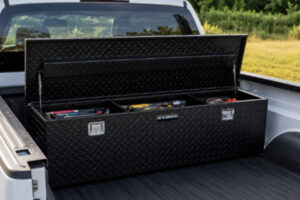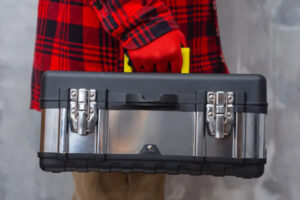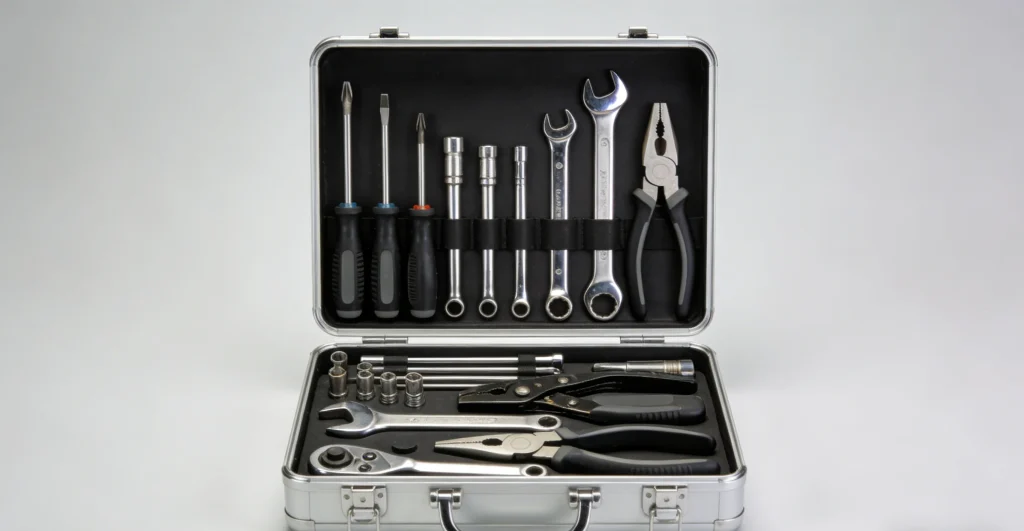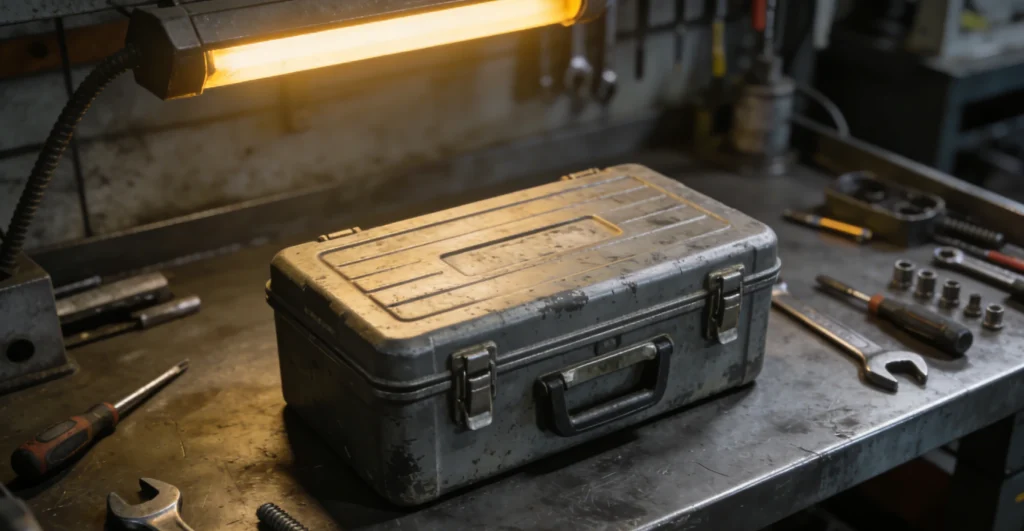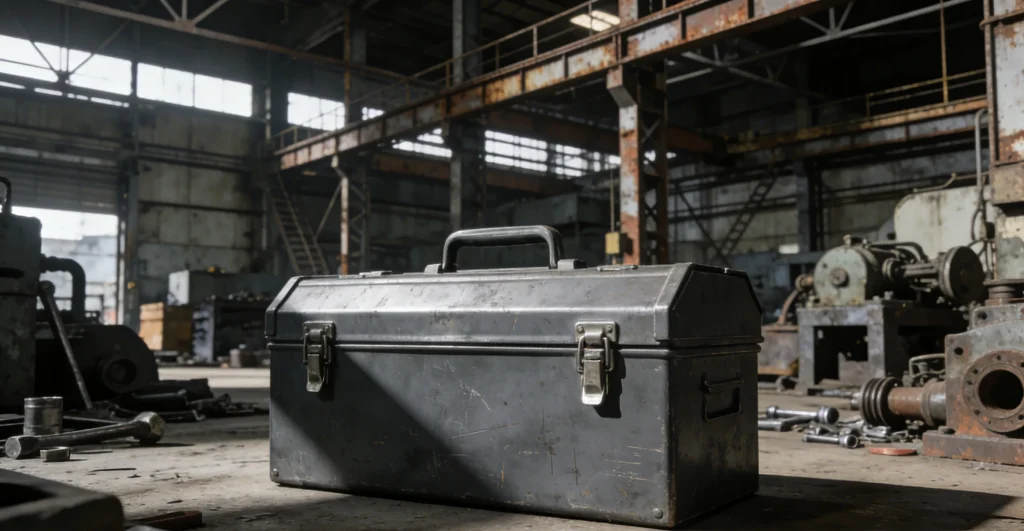
Industrial maintenance sites move fast, involve many types of tools, and require frequent workstation changes. Ordinary storage methods often struggle to balance mobility, classification, and protection. Stackable tool boxes combine layered storage, modular combination, and stable transport in one structure, helping maintenance workers find tools faster while making workshop management clearer. In equipment inspection, production line maintenance, and electromechanical servicing, the value of this type of tool box becomes even more evident.
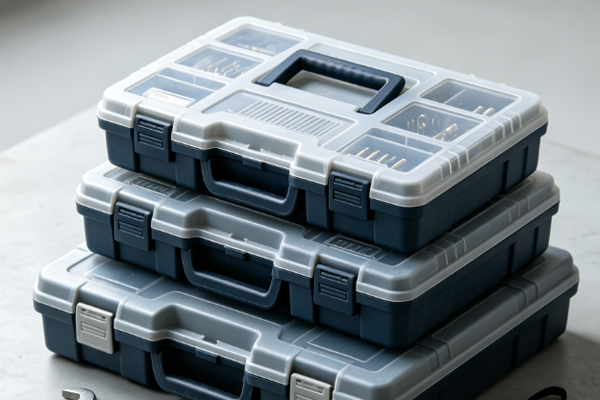
How Stackable Tool Boxes Meet the Mobility Needs of Industrial Maintenance
Industrial maintenance often involves moving around equipment. A tool box must hold enough tools, move easily, and stay organized during transport.
Modular Stacking Lets Tools Move with the Workstation
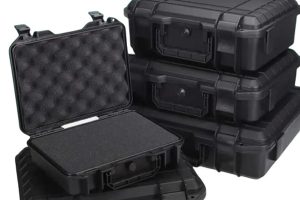
Stackable tool boxes use an upper-and-lower combination structure, making it easy for maintenance workers to carry different modules according to the task.
- Common wrenches, screwdrivers, and pliers can be placed in the upper layer for quicker access.
- Heavy accessories can be stored in the lower layer for a more stable center of gravity during movement.
- Temporary module additions on site are also convenient, reducing repeated carrying.
This structure allows tools to move with the workstation, making the maintenance rhythm more continuous.
Layered Access Reduces Tool-Finding Time
Industrial maintenance is most affected by scattered tools, and layered design can shorten the search path.
- Frequently used items and spare items are stored separately for more direct access.
- Small parts boxes are stored independently, preventing screws, washers, and bits from being mixed together.
- Maintenance workers can access tools by layer, making operations smoother.
- During shift handovers, it is also easier to check tool quantities.
A clear layered layout helps keep on-site efficiency more stable.
Industrial Maintenance Scenarios Place Greater Emphasis on Storage and Classification
Maintenance work involves many types of tools, including mechanical, electrical, measuring, and fastening tools. The clearer the classification, the more time can be saved on site.
Multi-Layer Space Is Suitable for Different Types of Tools
The space division of stackable tool boxes is more flexible, making them suitable for different tools to coexist. Wrenches, sockets, and hex keys can be grouped by specification, power tools and chargers can be stored separately, and measuring instruments, consumables, and spare parts can also be managed by layer. With each type of tool in its proper place, on-site searching becomes much easier.
Independent Modules Make Team Management Easier
Industrial maintenance is often completed through team collaboration, and independent modules make management more intuitive.
- Dedicated modules can be configured by trade to reduce mixed use.
- Tool kits can be split by task for more efficient deployment.
- Fixed storage plans can be established according to equipment type.
- During handover, only the modules need to be checked, making the process clearer.
This management method is suitable for workshops, factories, and equipment maintenance teams.
Durable Structures Help Tool Boxes Withstand High-Intensity Environments
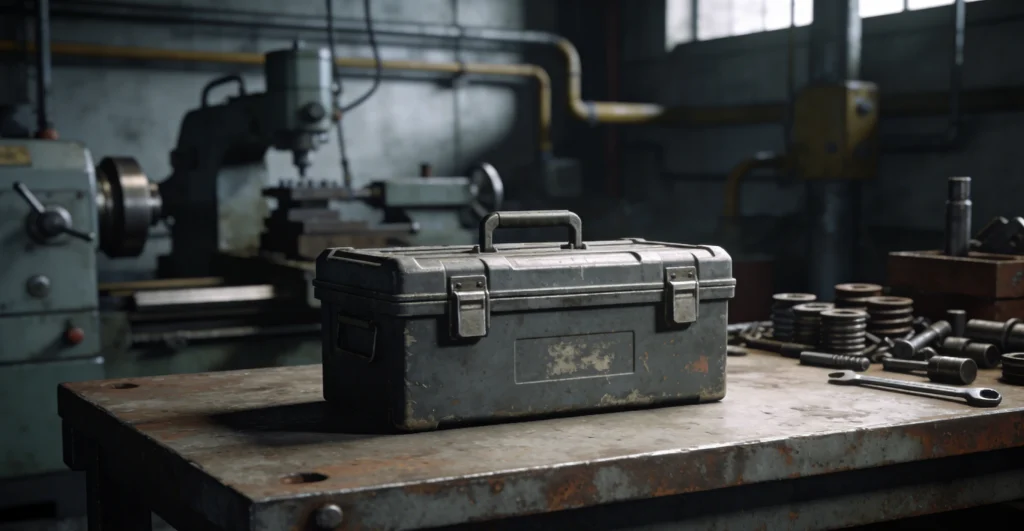
Industrial maintenance environments are complex, and floors, oil stains, vibration, and frequent opening and closing all test the durability of a tool box.
Materials and Locks Are More Durable
High-frequency use scenarios place higher demands on box strength, making structural stability essential. When the outer shell is made of high-strength materials, impact resistance improves. Reinforced corners reduce damage during transport, and secure lock designs help prevent loosening on the move. Durable structures can reduce accidental wear and tear in maintenance environments.
Wheels and Connectors Determine Stability
For stackable tool boxes, connection stability during movement and stacking directly affects the user experience.
- Wear-resistant wheels are suitable for workshop floors and complex surfaces.
- Buckles, rails, and locking components keep modules more securely connected.
- The box is less likely to wobble during pushing, keeping tools safer.
- Smooth opening and closing can still be maintained after long-term use.
Stable detail design makes the tool box more suitable for high-frequency operations.
Choosing the Right Stackable Tool Box Can Improve Maintenance Efficiency
Industrial maintenance values efficiency and order. Choosing the right tool box can make on-site management much easier.
Capacity Should Match the Number of Tools
When capacity is appropriate, tool management will not feel cramped or waste space.
- Small-scale maintenance can choose compact modules for easier carrying.
- Large equipment maintenance is better suited to multi-layer combination solutions.
- Reserved expansion space keeps future tool additions organized.
Once capacity is properly matched, the tool box is easier to keep tidy over the long term.
Detail Design Affects Long-Term Experience
A truly practical stackable tool box is often reflected in its details.
- Smooth drawer slides make frequent opening and closing easier.
- Comfortable handles make movement less tiring.
- Clear label areas make classification easier to identify.
- Dustproof and moisture-resistant designs are also better suited to workshop environments.
These details directly affect the daily efficiency of maintenance workers.
The reason stackable tool boxes are suitable for industrial maintenance scenarios lies in their ability to integrate mobility, classification, expandability, and durability into one structure. They not only improve tool management efficiency but also reduce on-site clutter. For maintenance workshops, equipment inspection teams, and factory servicing crews, this type of tool box is more like an efficient on-site management solution. SIPHIA BOX focuses on stackable tool boxes and industrial tool storage solutions, suitable for a wide range of maintenance scenarios. Welcome to learn more about our products.