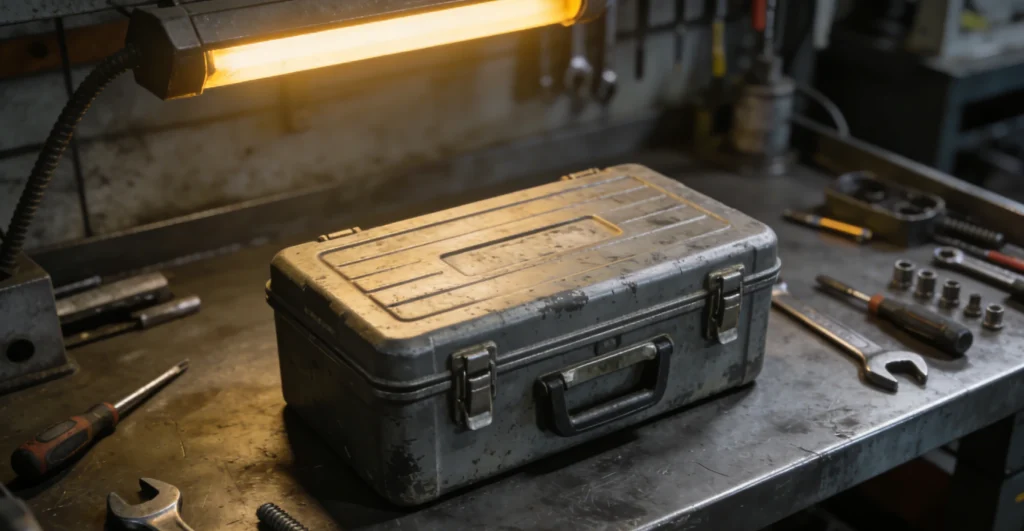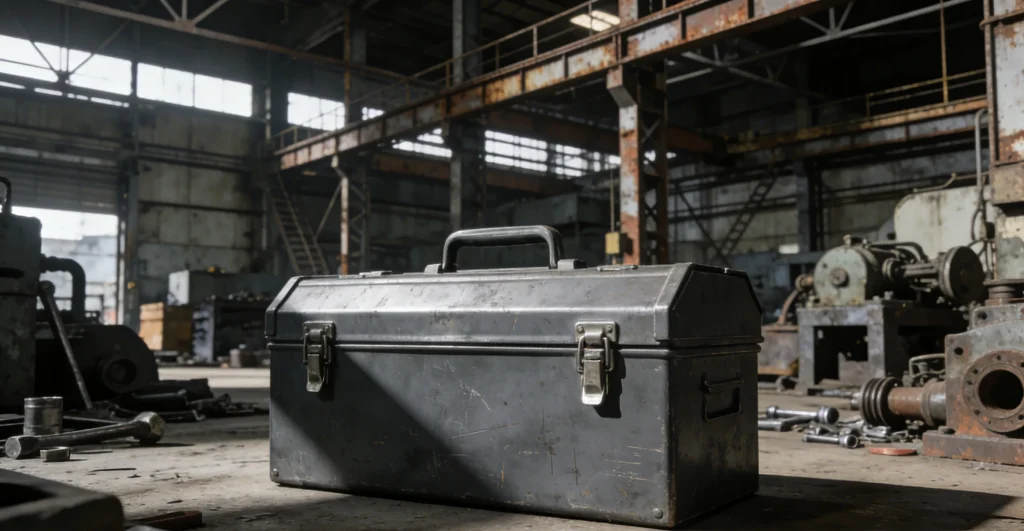
For users who need to store a large number of tools, large tool boxes have become essential storage equipment in industries such as maintenance, manufacturing, and engineering. Since large tool boxes usually need to carry heavy tools while dealing with transportation, impacts, and long-term use, the choice of material is very important. Tool boxes made from different materials vary significantly in weight, durability, protection, and service life. Some users focus more on lightweight designs, while others care more about strong protection and long-term performance. Understanding the characteristics of common large tool box materials can help users choose the right product based on their actual working environment instead of only considering the price.
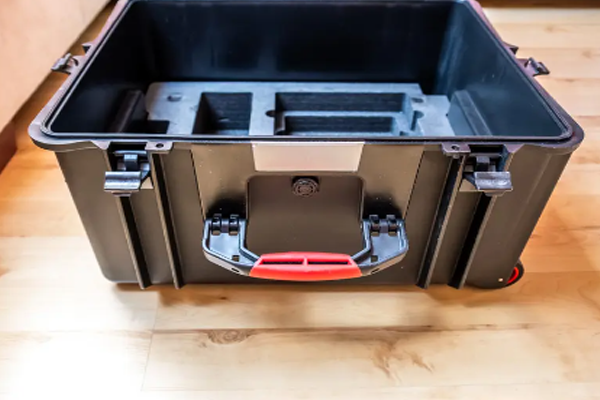
Large Aluminum Tool Boxes: A Popular Choice for Professional Applications
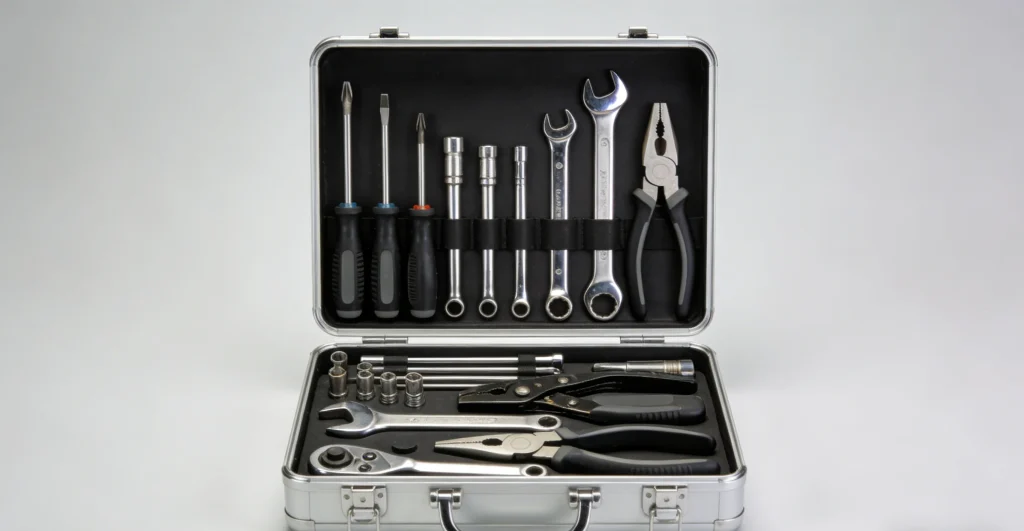
Among large tool boxes, aluminum is one of the most popular materials, especially for professional environments that require frequent transportation or long-term use. Aluminum tool boxes provide good structural strength while remaining lighter than many steel products, making them widely used in maintenance, aviation, engineering, and industrial equipment management.
Aluminum Alloy Provides Excellent Durability
The biggest advantages of aluminum alloy tool boxes are their strength and relatively lightweight design. For workers who frequently move tools, this material helps reduce transportation pressure.
- Strong outer shell. Helps reduce the impact of daily collisions on stored tools.
- Reasonable weight. Makes carrying large numbers of tools easier.
- Long service life. Suitable for repeated professional use.
Large aluminum professional tool boxes are often designed with reinforced frames and metal locks to improve overall stability, making them more suitable for demanding work environments.
Aluminum Tool Boxes Are Suitable for Various Applications
Aluminum is not only suitable for industrial use but also works well in industries that require protection for valuable equipment.
- Stores professional maintenance tools. Helps organize wrenches, instruments, and other equipment.
- Suitable for engineering project sites. Can handle more complex working environments.
- Provides protection during transportation. Reduces damage caused by external impacts.
For users looking for a durable and professional-looking large tool box, aluminum products are often an ideal choice.
Steel Large Tool Boxes: Focused on Strength and Load Capacity
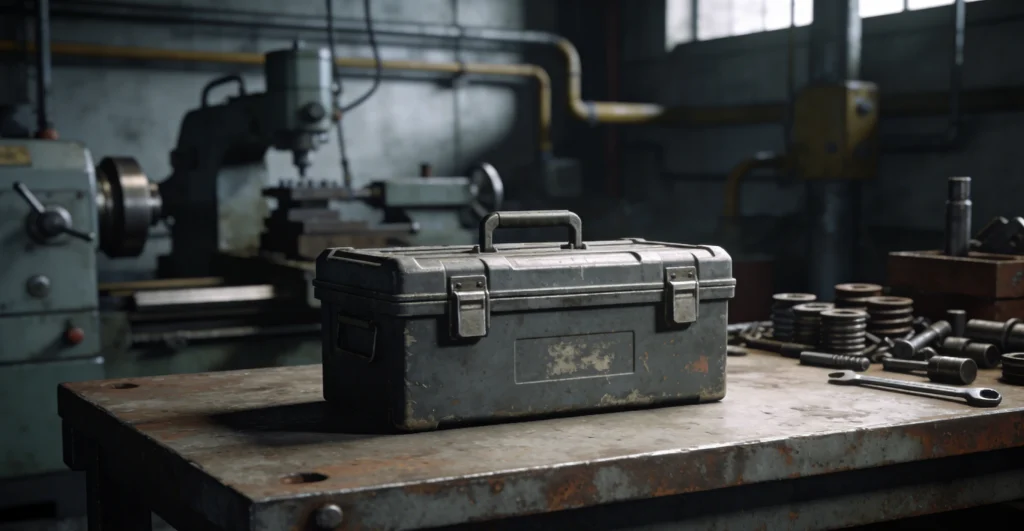
Steel is one of the traditional materials used for tool boxes. Its biggest advantages are high strength and excellent load-bearing capability. For situations where users need to store heavy tools or keep the box in a fixed working area, steel tool boxes still offer clear benefits.
Steel Material Is Suitable for Heavy Tools
Compared with other materials, steel tool boxes can usually support heavier loads and are suitable for industrial environments.
- High load capacity. Can store large maintenance tools and equipment.
- More stable structure. Less likely to deform when carrying heavy items for long periods.
- Suitable for fixed work areas. More practical when frequent movement is not required.
In machine workshops and factory maintenance environments, steel tool boxes can meet the need for centralized storage of large numbers of tools.
Rust Protection Is Important for Steel Tool Boxes
Although steel is strong and durable, it may develop rust when exposed to moisture for long periods. When choosing a steel large tool box, surface treatment technology should be considered.
- Coating quality affects protection performance. High-quality coatings help reduce oxidation.
- Working environment affects service life. Moist areas require more maintenance.
- Regular care extends usage time. Helps keep the box in good condition.
For indoor factories or fixed locations, steel tool boxes remain a reliable storage option.
Plastic Large Tool Boxes: Lightweight and Practical
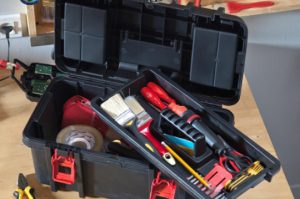
Plastic large tool boxes are also common in the market. Their main advantages are lightweight design and affordable cost. They are suitable for users who need easier transportation and do not need to store extremely heavy tools.
Plastic Materials Make Daily Use More Convenient
Although plastic tool boxes are not as strong as metal options, they still offer advantages for regular maintenance and storage needs.
- Light overall weight. Easier to carry and move.
- Simple cleaning and maintenance. More convenient for daily use.
- Lower cost. Suitable for users with limited budgets.
For home repairs, small workshops, or basic tool organization, plastic large tool boxes can meet everyday storage requirements.
Plastic Tool Boxes Are Suitable for Lightweight Tools
Plastic materials are better suited for tools with moderate weight and are not recommended for carrying extremely heavy equipment over long periods.
- Suitable for storing power tools. Such as small drills and measuring tools.
- Suitable for mobile repair work. Easy to transport quickly.
- Suitable for backup tool storage. Can be used as an additional tool box.
When choosing a plastic tool box, users should consider the weight of their tools and avoid exceeding the load capacity.
Composite Material Large Tool Boxes: Designed for Special Requirements
Besides aluminum, steel, and plastic, some large tool boxes use composite materials. These designs combine the advantages of different materials to achieve a better balance between weight, protection, and durability.
Composite Materials Improve Overall Performance
Composite material tool boxes usually combine multiple materials to improve overall performance.
- Balances strength and weight. More flexible than traditional metal tool boxes.
- Provides good protection. Suitable for certain special working environments.
- Offers more design options. Can be customized according to different applications.
For users who require special functions from their large tool boxes, composite materials provide more choices.
Choose the Material Based on Actual Needs
There is no single best material for every situation. The right choice depends on the working environment and usage requirements.
- Choose aluminum tool boxes for frequent transportation. More suitable for mobile work.
- Choose steel tool boxes for storing heavy equipment in fixed locations. Provides stronger load-bearing ability.
- Choose plastic tool boxes for regular maintenance needs. Offers more flexibility.
When selecting a large tool box, users should consider tool weight, working conditions, transportation frequency, and expected service life to find the most suitable solution.
Large tool boxes are commonly made from aluminum alloy, steel, plastic, and composite materials. Each material has its own advantages and suitable applications. For professional maintenance, engineering projects, and users who need to protect a large number of tools, large aluminum tool boxes are often preferred because of their durability, stability, and strong protection performance. Siphia Box provides high-quality tool box solutions to help users choose the right storage products according to different needs, making tool management more efficient and secure.