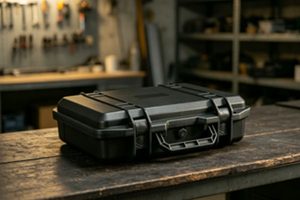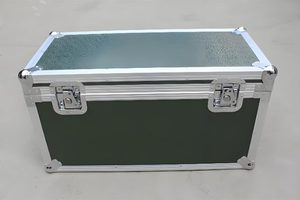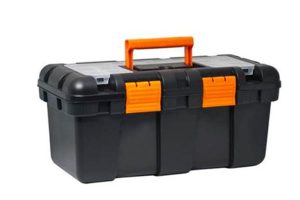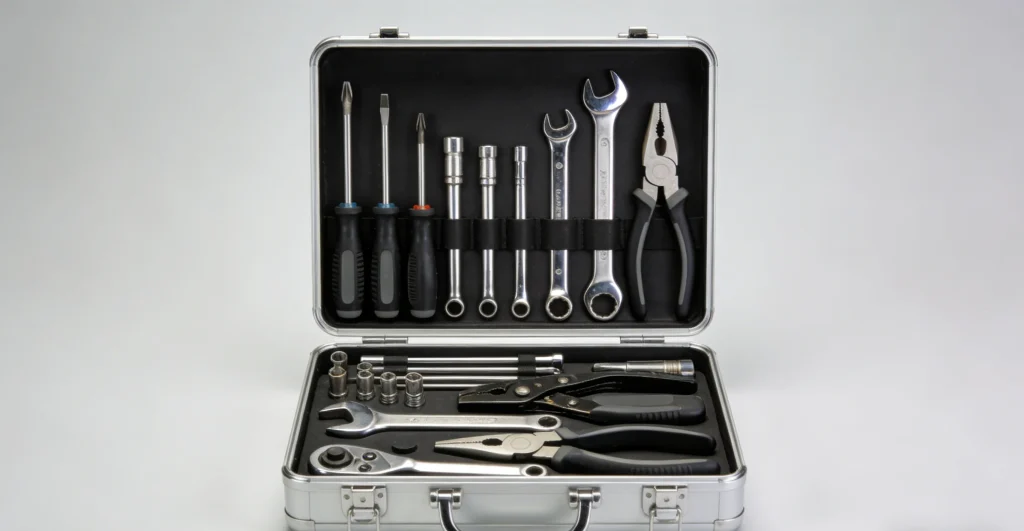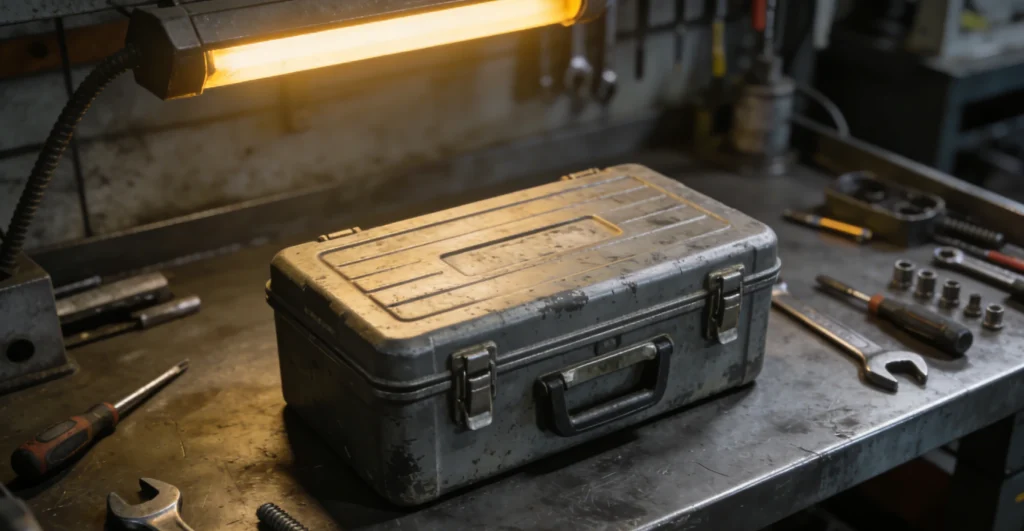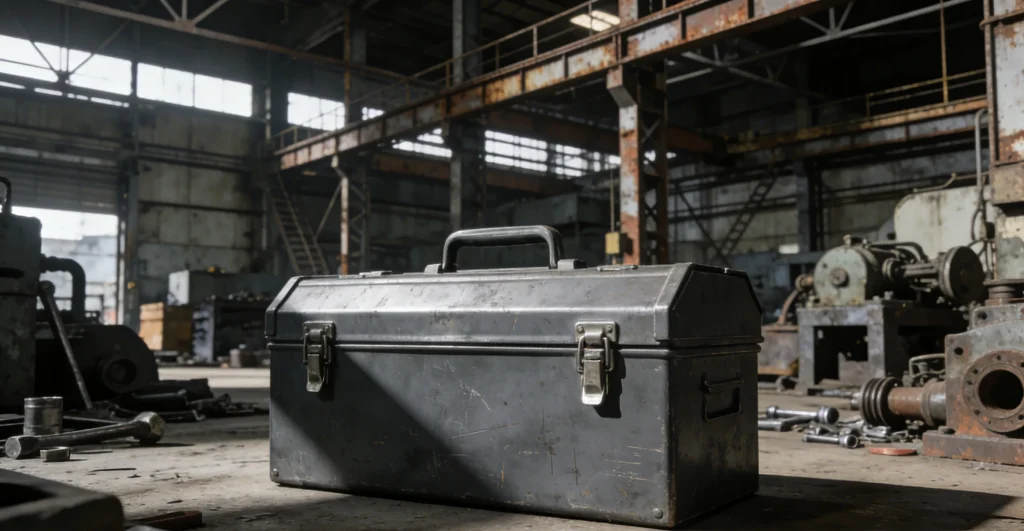
In repair workshops, construction sites, equipment maintenance areas, and home garages, the number of tools continues to increase, making management more and more challenging. Wrenches, screwdrivers, power tools, and various small accessories, if stored together for a long time without proper organization, not only reduce work efficiency but also easily lead to tool loss, misplacement, and duplicate purchases. Rolling tool boxes, with their multi-layer storage, categorized management, and flexible mobility, provide a more complete solution for tool organization. Through a scientific internal layout and fixed storage system, users can quickly find the tools they need, reduce management issues caused by random placement, and make daily maintenance work more organized and efficient.
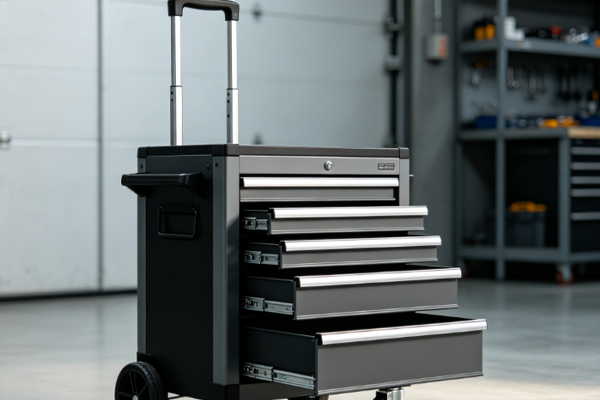
Proper Classification Reduces Tool Mixing
Rolling tool boxes feature a well-structured layered design that helps users establish a more standardized tool management system, ensuring different types of tools are properly organized.
Clear Zoning for Storage
Reasonable division of storage areas helps reduce the management burden caused by tool mixing.
- Hand tools stored by category: Wrenches, screwdrivers, pliers, and similar tools are placed in designated drawers for quick access.
- Power tools stored separately: Drills, angle grinders, and other large tools have dedicated spaces to prevent compression and damage.
- Small accessories organized centrally: Screws, bits, washers, and other small parts are stored in compartment boxes to prevent scattering.
A clear classification system ensures every tool has a fixed position, making tool management more standardized.
Fixed Positions for Easier Management
Fixed storage helps users develop good organizational habits.
- Establish unified placement rules: Each tool has a designated storage area, making it easier to return after use.
- Reduce random placement: After maintenance work, tools are sorted according to categories to avoid clutter in the workspace.
- Improve search efficiency: Fixed positions shorten retrieval time and improve workflow efficiency.
Standardized management effectively reduces tool misplacement and loss.
Optimized Structure Improves Management Efficiency
Rolling tool boxes not only offer large capacity but also feature an internal design that better meets modern tool management needs.
Multi-Layer Drawers Improve Utilization
Different drawers serve different storage purposes, maximizing internal space usage. Frequently used tools are placed in upper drawers for easy access and improved daily efficiency. Heavy tools are stored in lower drawers to maintain overall stability. Accessories are stored in separate layers, keeping small parts and large tools apart to reduce confusion. By efficiently utilizing each layer, tool management becomes more organized and structured.
Labeling System for Clear Identification
Clear labeling further improves tool management efficiency.
- Category labels: Each drawer is labeled with tool names for easy identification.
- Functional grouping: Maintenance, inspection, and installation tools are stored separately to improve efficiency.
- Unified organization standards: Even in multi-user environments, consistent storage methods can be maintained.
An intuitive management system reduces the time spent searching for tools.
Mobile Design Reduces Loss Risk
Rolling tool boxes combine storage and mobility, making tool management easier across different work areas.
Tools Move with the Work Area
The mobile design reduces the risk of tool loss caused by repeated transportation. Commonly used tools are stored together in the cabinet and can be transported to the work site in one trip, avoiding confusion caused by moving items back and forth. With fewer temporary placements, tools are no longer left randomly beside equipment, reducing the chance of loss. When moving between workstations, users can immediately begin work, ensuring a smoother workflow while keeping the site clean and organized.
Convenient for Multiple Scenarios
Rolling tool boxes meet tool management needs in various environments.
- Automotive repair workshops: Centralized tool management improves multi-station efficiency.
- Construction sites: Flexible mobility reduces the risk of leaving tools behind.
- Home garages: Common tools are stored together, keeping the space clean and organized.
Flexible mobility helps users build a more efficient tool management process.
Easier to Maintain Cleanliness Over Time
Rolling tool boxes not only improve daily usability but also support long-term organization.
Establish Good Organizational Habits
Fixed storage methods help users develop consistent organization habits.
- Return tools after use: Cleaning and organization can be completed immediately after work, reducing loss.
- Easier regular inspections: Tool quantity and placement are clearer, improving inventory efficiency.
- Reduce duplicate purchases: Clear tool locations prevent unnecessary repurchasing due to misplaced items.
Standardized management ensures tools remain complete and reduces the risk of loss.
Improve Overall Value
Effective tool management enhances the long-term performance of the cabinet.
- Maintain internal cleanliness: Clear categorization keeps the cabinet organized over time.
- Extend tool lifespan: Reduced impact and compression improve durability.
- Improve work efficiency: Tools can be quickly located during every task, ensuring smoother workflows.
Good management practices allow rolling tool boxes to deliver long-term value.
Through scientific layered storage, fixed categorization, and flexible mobility, rolling tool boxes effectively reduce tool mixing, misplacement, and loss, making tool management more standardized and efficient. Whether in automotive repair, industrial maintenance, construction, or home DIY scenarios, they significantly improve storage efficiency and user experience. Choosing a suitable rolling tool cabinet helps establish a long-term organized tool management system, making maintenance work easier and more efficient. SIPHIA BOX is committed to providing professional tool storage solutions, using well-designed structures and reliable quality to create a more efficient and organized tool management experience for users.