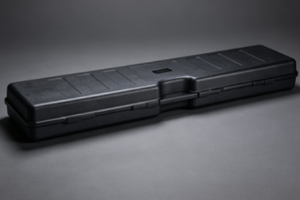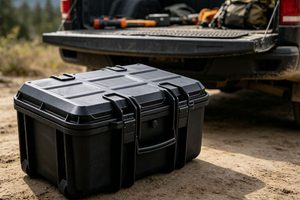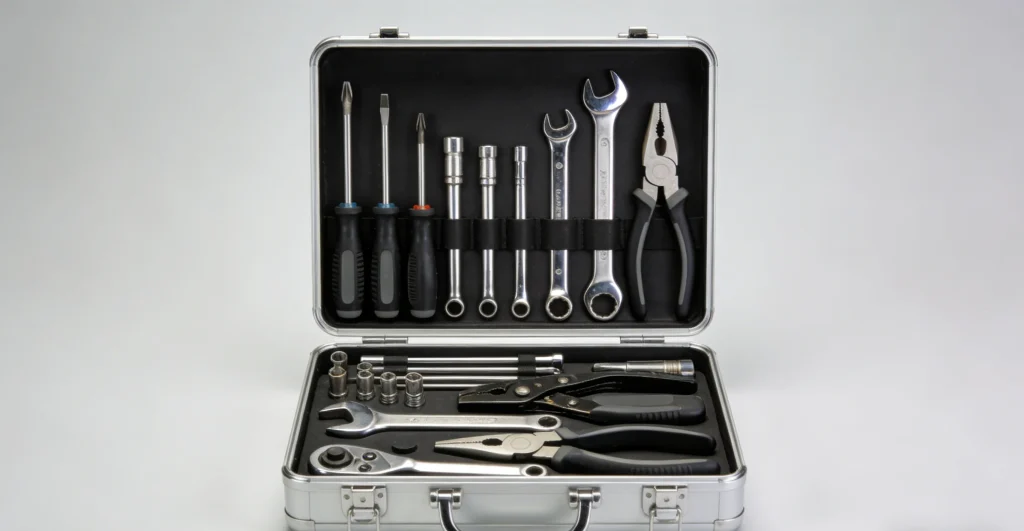
Musical instruments are valuable artistic products that require careful maintenance to preserve their appearance, performance, and durability. Whether it is a guitar, violin, saxophone, or another type of instrument, daily use exposes it to dust, moisture, impacts, temperature changes, and frequent transportation. Without proper protection, instruments may experience surface wear, structural changes, and declining performance over time. An instrument case is not only designed for storage and carrying but also provides a stable protective environment through advanced protection structures. A high-quality instrument case helps reduce damage caused by external conditions, maintain instrument quality, and extend the overall service life of the instrument.
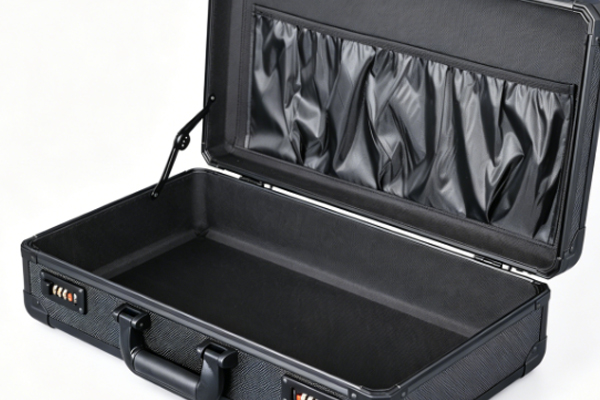
Instrument Cases Reduce the Impact of External Environmental Factors
Natural wood and precision components are important parts of many musical instruments, making them sensitive to environmental changes. Humidity, dust, and temperature fluctuations can affect instrument stability. Long-term exposure to excessive moisture may cause wooden instruments to expand, crack, or develop loose joints, while dust entering delicate components may affect performance and usability.
Instrument cases reduce direct exposure between the instrument and external conditions through enclosed protective structures. Many high-quality cases are manufactured with moisture-resistant and dust-resistant materials combined with sealed designs to create a more stable storage environment. In regions with significant seasonal changes or high humidity levels, a suitable instrument case helps reduce environmental risks and allows instruments to remain in better condition.
Cushioning Designs Reduce Daily Wear and Damage
During daily carrying and transportation, instruments may experience vibration and accidental impacts. Without proper cushioning protection, external forces can directly affect the instrument surface, causing scratches, dents, or even internal damage. Instrument cases usually include foam padding, EVA materials, or soft interior linings that provide elastic support and reduce impact transfer.
Common cushioning protection designs include:
- High-density foam support: Absorbs vibration during transportation and reduces the impact of collisions.
- Soft interior lining: Prevents direct contact with hard surfaces and reduces surface wear.
- Custom-fit internal compartments: Match the shape of the instrument and improve stability.
- Reinforced corner protection: Reduces damage caused by external impacts.
A well-designed cushioning system minimizes the accumulation of small damages during long-term use, allowing instruments to maintain better condition even with frequent transportation. For musicians who regularly attend performances, lessons, or outdoor practices, an instrument case with reliable cushioning provides stronger protection and greater convenience.
Stable Storage Conditions Help Maintain Instrument Performance
Protecting an instrument from visible damage is important, but maintaining stable performance is equally necessary. Long-term exposure to environmental changes may affect sound quality, adjustment conditions, and structural stability. Wooden instruments are particularly sensitive to humidity and temperature variations, making a stable storage environment essential for maintaining their tone and performance.
A high-quality instrument case creates a relatively independent storage space that reduces the impact of rapid environmental changes. Some professional cases can also be used with humidity-control accessories, allowing users to better manage storage conditions. By reducing environmental fluctuations, instrument cases help maintain stable performance, reduce frequent adjustments, and lower maintenance requirements.
Different Instrument Cases Provide Specialized Protection
Different instruments have unique structures and protection requirements. Selecting a suitable instrument case not only provides basic protection but also offers targeted support for areas that are more vulnerable to damage, improving long-term preservation results.
Common choices include:
- Guitar cases: Designed with body-fitting structures to protect the neck, bridge, and surface finish.
- Violin cases: Equipped with neck supports and bow storage areas to reduce movement during transportation.
- Saxophone cases: Provide dedicated support for keys and body structures to prevent pressure damage.
- Professional transportation cases: Use reinforced shells and stronger structures for frequent travel and long-distance shipping.
Choosing the right case according to the instrument type improves protection performance and reduces damage caused by improper storage methods. Professionally designed instrument cases can better support different needs, including learning, performances, collection, and transportation.
High-Quality Instrument Cases Provide Long-Term Protection Value
An instrument case is more than an accessory; it is an important protective solution that helps extend instrument lifespan. Premium materials, thoughtful structures, and stable performance reduce daily wear, lower repair frequency, and help instruments maintain better appearance and playing quality. For expensive or collectible instruments, a reliable case provides long-term protection and helps prevent value loss caused by environmental factors or transportation damage.
As musicians and instrument owners become more aware of proper maintenance, well-designed instrument cases have become an essential part of instrument care. Through moisture resistance, shock absorption, dust protection, and secure positioning designs, instrument cases help instruments adapt to different environments while extending their usable life and maintaining excellent performance for many years.