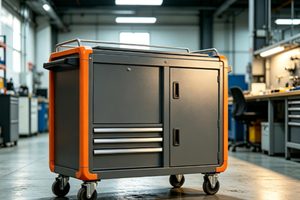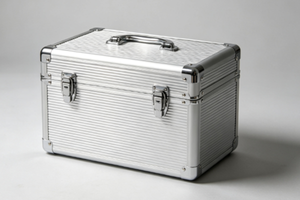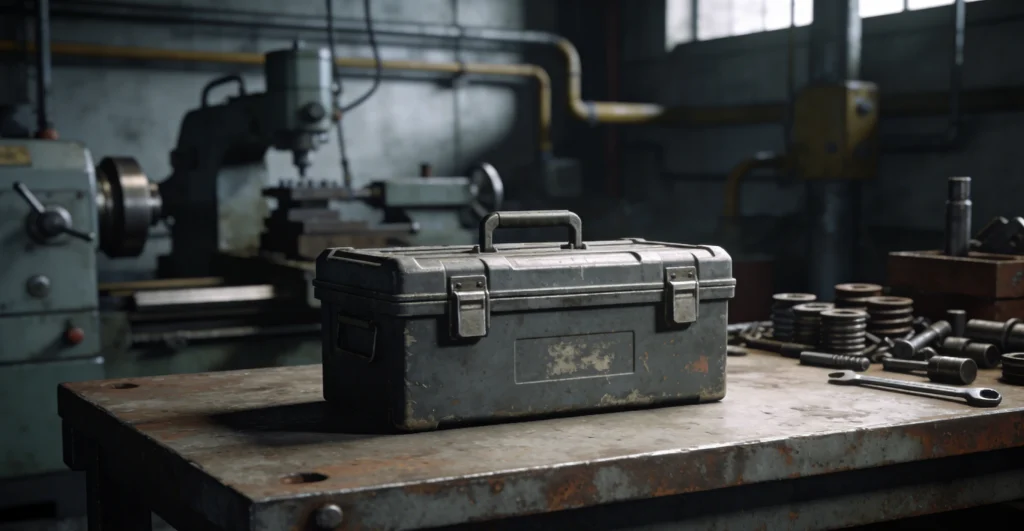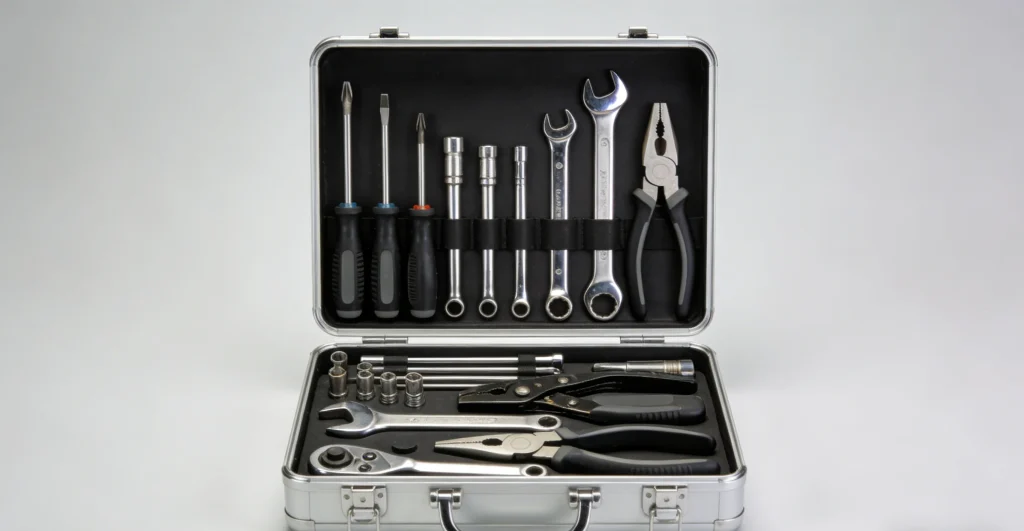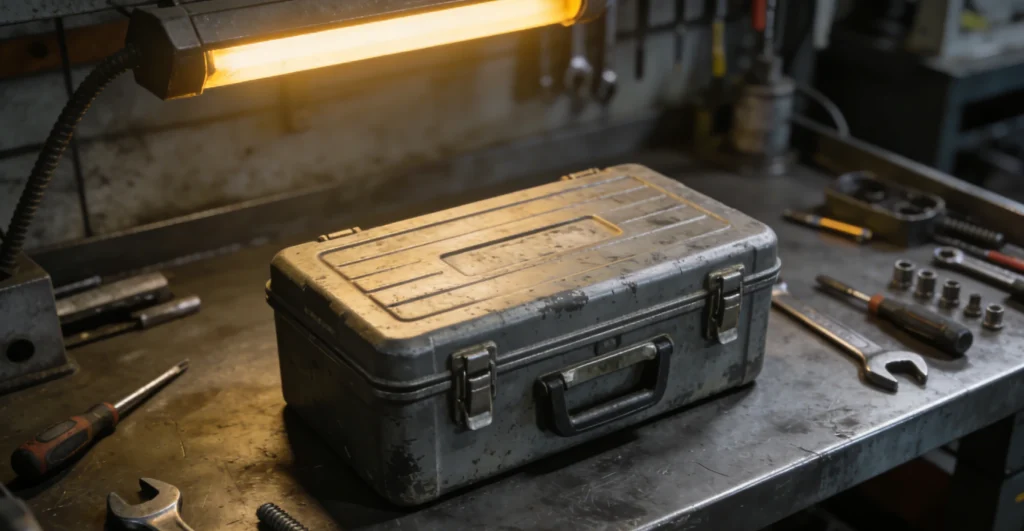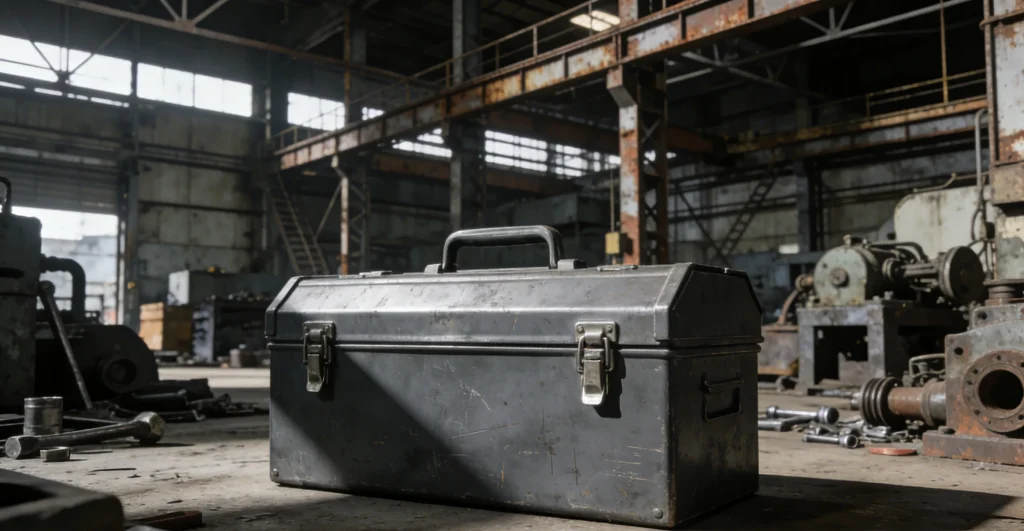
A portable tool box for home use is a common repair and storage device in daily household life. It is mainly used for storing screwdrivers, wrenches, measuring tapes, hammers, electrical tools, and other installation and maintenance supplies. As the types of household equipment continue to increase, situations such as furniture installation, lighting repairs, plumbing maintenance, and small appliance adjustments are becoming more common. Preparing a suitable tool box can make household repairs more convenient. Many people tend to focus only on price or the number of tools when purchasing a home tool box, believing that more tools and a larger box are always better. However, during actual use, whether a tool box is suitable for household needs depends on tool configuration, box size, material quality, and ease of use. If there are too many tools that are rarely used, they not only take up space but also make organization more difficult. If the tool box capacity is too small, it may not meet daily repair requirements.
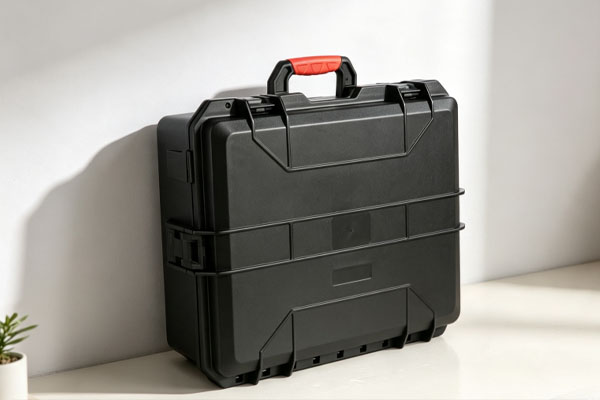
When choosing a portable tool box for home use, it is necessary to make a decision based on actual household needs. For example, ordinary households that mainly handle furniture assembly and small repairs can choose lightweight tool boxes. If home renovation or equipment maintenance is frequently carried out, a product with larger capacity and a stronger structure should be selected. A suitable portable home tool box can not only help users organize tools but also prevent tools from being lost due to random placement. By managing commonly used tools in one place, users can quickly find the required tools when repairs are needed.
Choose the Right Capacity Based on Tool Requirements
The capacity of a portable home tool box is an important factor that needs to be considered during purchase. Different households have different repair requirements, and the number of tools that need to be stored also varies. If the tool box is only used for simple installation and daily maintenance, a small tool box is usually sufficient. If more repair work is required, a larger-capacity tool box should be selected. However, tool box capacity is not always about choosing the largest size. Although an oversized tool box can store more equipment, increased weight can make transportation and organization inconvenient. Therefore, the capacity should be selected reasonably according to the number of commonly used household tools.
When choosing, pay attention to:
Meet common tool storage needs: The tool box should be able to store commonly used household tools, such as screwdrivers, pliers, wrenches, and measuring tapes, avoiding situations where there is insufficient space after purchase.
Reserve some expansion space: The number of household tools may increase over time, so it is recommended to leave some extra space when selecting a tool box for future additions.
Consider storage location: If the tool box needs to be placed in a cabinet, storage room, or vehicle, the size should be confirmed in advance to avoid storage problems after purchase.
A reasonable capacity allows the tool box to be easy to carry while meeting daily household repair needs.
How to Choose the Material and Structure of a Portable Home Tool Box?
Common materials for household tool boxes include plastic, metal, and composite materials. Different materials vary in weight, durability, and price. When choosing, users should consider usage frequency and storage environment. Plastic tool boxes are lightweight and relatively affordable, making them suitable for ordinary households. Metal tool boxes have stronger structures and are suitable for storing heavier tools. Composite material tool boxes combine lightweight characteristics with durability, making them suitable for users who need to move them frequently.
When selecting a tool box, pay attention to:
Box strength: If tools such as hammers and electric drills need to be stored, choose a product with a stronger structure to avoid deformation after long-term use.
Opening and closing design: The latches, hinges, and handles of the tool box should remain stable and should not be easily damaged after frequent opening and closing.
Protection performance: If the tool box needs to be placed on a balcony, in a garage, or other locations, choose a product with certain dustproof and moisture-resistant capabilities.
Internal layout: Tool boxes with compartments, small drawers, or fixed slots make it easier to organize and store different tools.
Good materials and reasonable structures allow the tool box to maintain stable performance during long-term use while better protecting internal tools.
Is More Tool Configuration Always Better?
Many household tool boxes come with dozens or even hundreds of tools. Although they appear to offer rich configurations, more tools are not always more suitable for home use. Some tools may have a low usage frequency and remain unused for a long time after purchase. When choosing a tool box, it is more important to focus on tool quality and commonly needed functions.
Common household requirements usually include:
- Furniture installation requires screwdrivers and hex keys;
- Wall installation requires hammers, measuring tapes, and spirit levels;
- Simple electrical repairs require voltage testers and wire stripping tools;
- Daily assembly and disassembly require wrenches and pliers.
Does a Portable Home Tool Box Need to Be Waterproof?
For ordinary household use, a completely waterproof tool box is not always necessary, but having certain moisture-resistant capabilities can provide more convenience. If the tool box is stored in humid areas, such as basement storage spaces or garages, it is recommended to choose a product with better sealing performance. Moisture-resistant designs can reduce rust problems, especially when storing metal tools for long periods, where environmental humidity needs to be considered.
When choosing a portable home tool box, users need to consider the number of tools, usage frequency, storage location, and household repair requirements. Only a tool box with suitable capacity, stable structure, and reliable materials can truly provide effective storage and protection. For ordinary households, a lightweight and easy-to-organize tool box can meet daily installation and repair needs. If home renovation or equipment maintenance is frequently performed, products with stronger load-bearing capacity and larger storage space can be selected.
A good portable home tool box is not just a simple container for storing tools; it is also an important device that helps families manage maintenance supplies. By organizing tools properly and keeping them clean, users can reduce searching time and make daily repair work more convenient. When selecting a tool box, there is no need to simply pursue the number of tools or appearance design. Instead, attention should be paid to actual usage experience. A tool box that meets household needs can provide better assistance during long-term use.