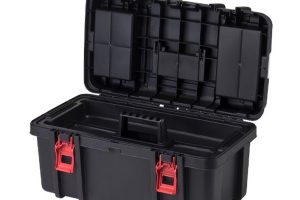
Guitars are frequently moved between different locations for daily practice, stage performances, music lessons, and long-distance transportation. The finish, neck, bridge, body, and internal structure can all be affected by impacts, vibration, dust, and changes in humidity. Simple bags or basic packaging may not provide enough protection during frequent transportation, increasing the risk of scratches, dents, or structural problems. A suitable guitar case uses a durable outer shell, soft interior lining, secure support, and sealing features to create a relatively stable protective environment. Choosing a case that matches the guitar’s size and intended use can reduce the risk of damage during transportation and storage while helping maintain its appearance and playing condition.
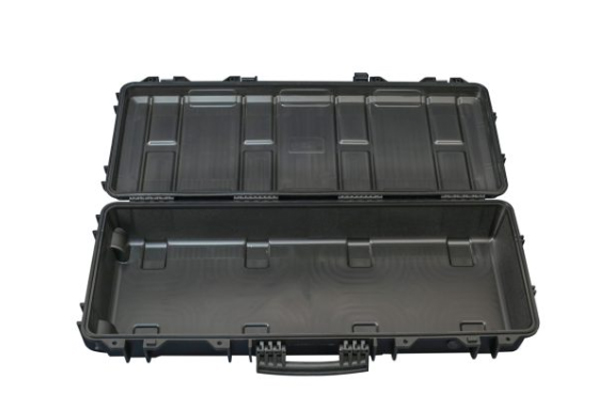
A Strong Case Shell Reduces Damage from External Impacts
The outer shell of a guitar case serves as an important barrier between the instrument and external impacts. When a guitar experiences accidental collisions during vehicle transportation, handling, or everyday carrying, the shell can absorb and distribute part of the external force, reducing the possibility of direct impact on the guitar body. Hard guitar cases are commonly manufactured from ABS, polycarbonate, fiberglass, or composite materials, which offer good impact and pressure resistance. Reinforced corners can further reduce the possibility of cracking or deformation when the case receives an impact around its edges. For users who frequently perform, travel long distances, or ship guitars, a structurally strong hard guitar case provides more reliable external protection and reduces the chance of direct impact on the instrument.
Soft Interior Padding Reduces Vibration and Friction
A durable outer shell can resist external impacts, but the guitar also needs to remain stable inside the case. High-quality guitar cases commonly use EVA foam, high-density foam, or soft fabric lining to create a cushioning layer between the guitar and the case. When a vehicle encounters bumps during transportation, these materials absorb part of the vibration and reduce the amount of impact transferred directly to the guitar.
Common interior protection designs include:
- Body-fitting foam padding: Designed according to the guitar’s shape to reduce movement inside the case.
- Neck support structures: Provide stable support for the neck and reduce vertical movement during transportation.
- Soft fabric lining: Reduces friction between the guitar surface and harder materials, helping protect the finish.
- Localized cushioning zones: Provide additional support around vulnerable areas such as the bridge and headstock.
A properly designed interior lining keeps the guitar in a stable position and reduces small damages caused by vibration and friction, even during extended transportation.
Secure Fixing Structures Keep the Guitar Properly Positioned
A guitar has a relatively long neck and a large resonant body. If the internal space of the case does not match the guitar’s dimensions, the instrument may shift during transportation. Customized support structures allow the body, neck, and headstock to remain securely supported. The neck area is particularly important because insufficient support may allow continuous movement and place additional stress on the neck.
Some professional guitar cases also provide separate compartments for strings, tuners, picks, and other accessories. Keeping these items in dedicated storage areas prevents them from moving around and accidentally striking the guitar during transportation. A well-designed fixing system reduces the amount of movement inside the case, keeps critical components more stable, and makes daily storage and removal more convenient.
Moisture-Resistant Sealing Helps Maintain Guitar Condition
Wooden guitars are relatively sensitive to changes in humidity. Excessively humid or extremely dry conditions may affect the wood and bonded components over time. A guitar case with an enclosed structure reduces direct exposure to external air, dust, and moisture. Some professional models feature sealing strips around the lid and reliable locks that improve closure and help reduce environmental exposure.
For long-term storage, suitable humidity-control accessories can also be placed inside the case to help maintain a more stable environment. Moisture-resistant construction cannot completely replace proper guitar maintenance, but it can reduce the effects of environmental fluctuations and provide a more suitable storage space for the instrument.
Choosing the Right Guitar Case Improves Long-Term Protection
Guitars vary in size, construction, weight, and frequency of use, so the case should be selected according to the specific instrument. For daily lessons and short-distance carrying, a lightweight case with good cushioning may be more practical. Musicians who frequently perform may benefit from a durable, impact-resistant hard case with reliable hardware. For air travel, logistics shipping, or long-distance transportation, professional cases with reinforced corners, secure locks, strong pressure resistance, and stable interior support are more appropriate.
The case dimensions should also be checked carefully before purchase. Excessive internal space or insufficient support can reduce protection performance. A properly designed guitar case can reduce the effects of impacts, vibration, friction, dust, and humidity changes during daily carrying, performances, transportation, and long-term storage, providing continuous protection for the guitar.