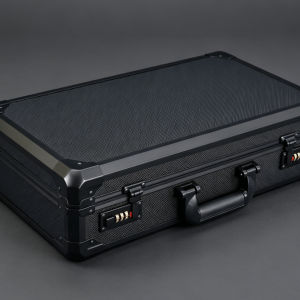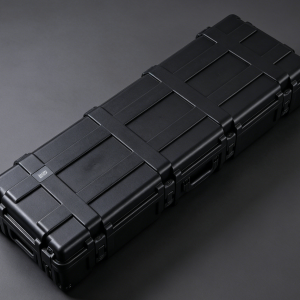
The common silver, black, blue, red, and other customized colors of aluminum tool boxes are not naturally formed by the aluminum itself, but are achieved through different surface processing techniques. Aluminum alloy raw materials usually have a silvery-white metallic luster. When manufacturing tool boxes, the aluminum needs to undergo forming, cleaning, surface treatment, coloring, and other processes to achieve a stable color effect. Different processing methods produce different appearances, wear resistance, corrosion resistance, and service life. Common methods include anodizing and coloring, powder coating, painting, and some specialized surface treatments.
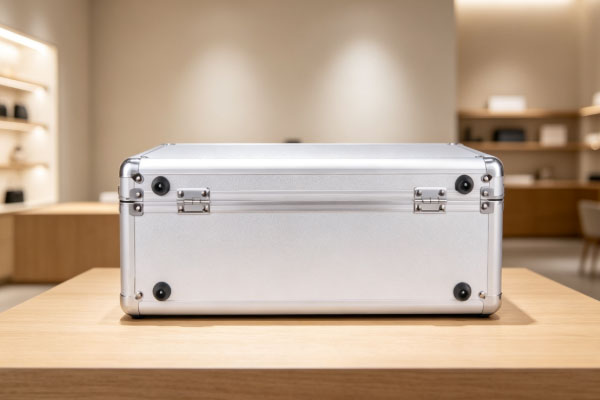
For ordinary silver aluminum tool boxes, the original metallic texture of the aluminum can be retained, or anodizing can be used to enhance surface protection. If black, blue, red, or other bright colors are required, anodizing and dyeing or coating processes may be used. Industrial-grade tool boxes also need to withstand long-term handling, friction, impacts, and outdoor use. Therefore, color processing should not focus only on visual appearance but also on coating adhesion and surface wear resistance. The specific choice of color processing method is also related to the aluminum plate material, tool box structure, and intended application.
How Are Colors Formed on Aluminum Tool Boxes?
Surface Treatment Through Anodizing
Anodizing is a relatively common surface treatment method for aluminum products. After the aluminum tool box has been formed, it first needs to undergo cleaning and surface treatment before being placed in an electrolyte for anodizing, causing an artificial oxide film to form on the aluminum surface. This oxide film is usually transparent or semi-transparent and can improve the corrosion and wear resistance of the aluminum surface. If other colors are required, dyeing can be performed after the oxide film has formed, followed by sealing treatment to retain the color within the structure of the oxide film. This method can produce black, blue, red, gold, and other colors while retaining a certain metallic texture. Therefore, some tool boxes that emphasize aluminum texture and metallic luster use this type of process.
Changing Colors Through Powder Coating and Painting
Another common method is to add a colored coating to the surface of the aluminum tool box. Powder coating involves evenly applying powder coating to the treated aluminum surface and then heating and curing it to form a complete coating. Painting involves spraying liquid paint so that the pigments and resin adhere to the aluminum surface, followed by drying or curing to form a colored layer. These two methods provide a wider range of color choices and are practical for tool boxes requiring customized corporate colors, brand colors, or special appearances. Compared with anodizing, sprayed coatings generally provide more noticeable colors and can also create different finishes such as matte and gloss.
Aluminum Tool Box Color Processing Steps
Surface Cleaning Determines Whether the Color Is Uniform
Whether anodizing or coating is used, the aluminum plate needs to be cleaned before processing. If there are oil stains, dust, oxides, or other contaminants on the aluminum surface, the subsequent color may suffer from poor adhesion, color differences, or local peeling. During processing, the aluminum usually undergoes degreasing, cleaning, and other treatments to keep the surface relatively clean. For tool boxes that have already undergone stamping, bending, or riveting, it is also necessary to check whether residues remain around corners, connection points, and grooves.
Different Colors Correspond to Different Processing Requirements
The color of an aluminum tool box cannot be achieved simply by adding pigments. Different colors require corresponding coloring materials or coatings, while processing time, temperature, and surface conditions also need to be controlled. For example, during anodizing and coloring, oxide film thickness, dyeing time, and sealing treatment all affect the final color. If processing conditions are unstable, slight color differences may occur within the same batch of products. Powder coating and painting also require control of coating thickness. If the coating is too thin, the base material color may show through or coverage may be uneven. If it is too thick, it may affect the edges of the box, latch installation positions, and the fit of other components.
Why Can the Same Aluminum Tool Box Have Color Differences?
The Aluminum Surface Condition Affects the Final Result
The alloy composition, surface texture, and processing condition of the aluminum itself may all affect the final color. Even when the same coloring process is used, slight color differences may occur between different batches of aluminum. For example, brushed aluminum plates and ordinary flat aluminum plates have different surface reflection effects. Even when both are silver, their brightness and texture may appear different under different lighting conditions.
Processing Techniques Can Also Cause Slight Color Differences
Color processing requires relatively stable production conditions. In anodizing, electrolytic parameters, oxide film thickness, dyeing time, and sealing processes can all affect the color. Powder coating and painting are affected by coating batches, coating thickness, curing temperature, and other factors. Therefore, during mass production, processing conditions generally need to be controlled and color inspections need to be performed.
It should be noted:
Aluminum batches: Different raw materials may have slight color differences.
Surface texture: Brushed, embossed, and smooth surfaces produce different visual effects.
Coating thickness: Uneven thickness may result in differences in color depth.
Processing conditions: Changes in temperature, time, and material ratios may cause color differences.
Frequently Asked Questions
Q1: Is the silver color of an aluminum tool box sprayed on?
Answer: Not necessarily. A silver tool box may retain the natural metallic color of the aluminum itself, or it may undergo anodizing or other surface treatments. The specific method depends on the processing technique used for the product.
Q2: How are black aluminum tool boxes generally processed?
Answer: Black can be achieved through anodizing and dyeing, or through powder coating or painting. Anodized black finishes can usually retain a certain metallic texture, while sprayed black coatings can provide a more noticeable covering effect.
Q3: Which color processing method is more durable, painting or anodizing?
Answer: It cannot be simply determined that one method is always more durable. Anodized layers are closely integrated with the aluminum surface and are suitable for retaining a metallic texture. High-quality powder coatings provide good coverage and a wide range of color choices. The actual performance also depends on the aluminum material, process parameters, and working environment.
Q4: Can aluminum tool boxes be customized in different colors?
Answer: Yes. Different colors can be selected according to product requirements, and processes such as powder coating, painting, or anodizing can be used. For bulk corporate purchases, colors can also be matched according to brand colors.
The colors of aluminum tool boxes are mainly produced through processes such as anodizing, powder coating, and painting. Anodizing can form an oxide film on the aluminum surface and can be further dyed, making it suitable for products that require a metallic texture. Powder coating and painting form a colored coating on the aluminum surface, providing a wider range of color choices and making it convenient to customize colors such as black, blue, and red. The color effect of a tool box is not only related to pigments but also to the aluminum itself, surface texture, pretreatment, coating thickness, and processing conditions.
Therefore, the same color may produce slightly different visual effects on different aluminum tool boxes. Especially during mass production, the raw materials and processing parameters need to remain relatively stable to reduce color differences between batches. For industrial-grade aluminum tool boxes, color processing also provides surface protection. A suitable anodized layer or coating can reduce the direct exposure of aluminum to air, moisture, and friction. When selecting a specific process, it should be determined according to the tool box’s working environment, appearance requirements, wear resistance requirements, and production volume.