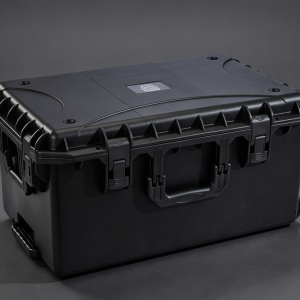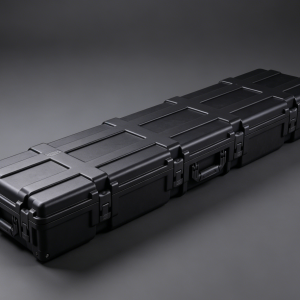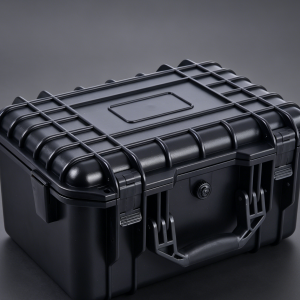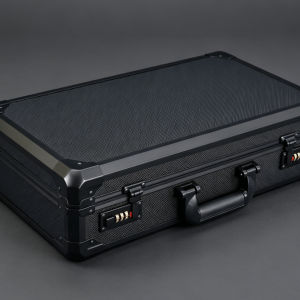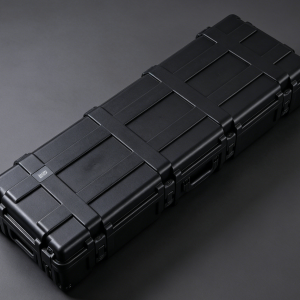
In work environments where tools are used frequently, tool management directly affects workflow efficiency and on-site order. Industries such as automotive repair, mechanical manufacturing, industrial maintenance, and construction typically require a large number of wrenches, screwdrivers, diagnostic equipment, and specialized tools. However, ordinary handheld toolboxes often fall short in terms of capacity and mobility. Box-type tool carts, with multi-layer storage, drawer partitioning, and wheeled mobility design, enable centralized tool management and allow flexible movement between different workstations. Understanding the applicable industries helps companies choose more suitable tool storage solutions based on actual needs.
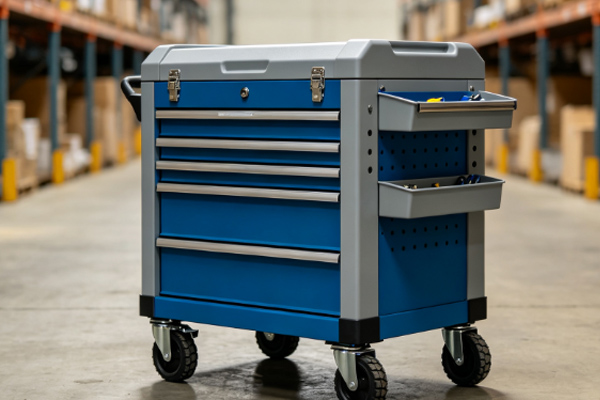
Automotive Repair Industry Is Well-Suited for Box-Type Tool Carts
Automotive repair work involves a wide range of tools, from basic wrenches to professional diagnostic equipment, all of which require organized storage. Box-type tool carts effectively meet the needs of repair workshops in terms of capacity, mobility, and categorized management.
Centralized Storage of Various Repair Tools
Automotive technicians often use multiple types of tools simultaneously during operations, and proper zoning can significantly reduce search time.
- Wrenches and sockets categorized by type: Tools of different sizes are arranged by specification or purpose for quick access.
- Independent storage for power tools: Drills, chargers, and related accessories can be placed in larger compartments.
- Small parts organized in sections: Screws, washers, and connectors can be sorted using compartmentalized storage.
A clear zoning system helps ensure smoother repair workflows.
Flexible Movement Between Workstations
Automotive repair shops usually have multiple workstations, and tool carts can be moved directly beside the vehicle being serviced. By keeping frequently used tools nearby, technicians can reduce trips back and forth to the tool storage area, saving time. In addition, tool carts can be repositioned between workstations according to repair progress, improving on-site coordination. This mobility makes them highly suitable for the operational rhythm of automotive repair environments.
Mechanical Manufacturing and Industrial Maintenance Rely More on Tool Carts
Mechanical processing and industrial equipment maintenance typically involve a large number of specialized tools, requiring high standards for capacity and durability.
Tool Management in Mechanical Manufacturing Workshops
Mechanical manufacturing processes involve various types of tools, including measuring, assembly, and maintenance tools.
- Measuring tools stored separately: Precision instruments such as calipers and micrometers are stored independently to avoid collision and mixing.
- Assembly tools centrally managed: Frequently used tools like wrenches, screwdrivers, and sockets are easily accessible.
- Specialized tools stored individually: Dedicated tools for specific equipment are categorized separately for future maintenance.
Standardized classification improves overall management efficiency.
Industrial Equipment Maintenance Requires Strong Mobility
Industrial maintenance is often performed across different areas, requiring tools to move with the work location.
- Large capacity supports full tool sets: Allows technicians to carry complete maintenance equipment at once.
- Stable structure for heavy-duty use: Suitable for long-term operation in workshop environments.
- Flexible mobility improves efficiency: Enables quick transfer between maintenance zones.
This mobile management approach effectively reduces on-site operational burden.
Construction and Installation Industries Require Flexible Tool Management
Construction sites change frequently, requiring high adaptability and mobility for tool usage.
Electromechanical Installation Industry
Electromechanical installation involves various tools and accessories, and proper classification improves on-site efficiency. Power tools, hand tools, and measuring instruments can be stored separately, while small components such as screws, connectors, and fasteners can be managed in dedicated compartments. Workers can quickly access required tools based on tasks, reducing search time and improving workflow organization.
Engineering Maintenance and Equipment Installation
During equipment installation, tools often need to be moved frequently between different locations.
- Tool carts move with work areas: Reducing manual carrying frequency.
- Large capacity supports complex tasks: Capable of carrying multiple types of tools and equipment simultaneously.
- Categorized storage improves efficiency: Tool placement is organized according to workflow, reducing interruptions.
Flexible mobility makes it well-suited for dynamic construction environments.
Warehousing, Property Management, and Professional Services Also Apply
In addition to manufacturing and construction, long-term equipment maintenance scenarios also benefit from box-type tool carts.
Property Maintenance and Facility Management
Property maintenance involves lighting, plumbing, doors and windows, and various public facility repairs.
- Centralized management of multiple tool types: Meets diverse daily maintenance needs.
- Unified return system: Tools can be quickly returned to fixed positions after use.
- Convenient on-site mobility: Can be pushed directly to maintenance locations.
This helps improve standardization in property management teams.
Warehousing and Equipment Maintenance
Warehousing environments require regular maintenance of shelves, conveyor systems, and handling equipment.
- Clear tool classification: Different tasks correspond to different storage areas.
- Supports team sharing: Facilitates unified management and access.
- Reduces risk of loss: Fixed storage structure supports routine inventory checks.
This improves overall maintenance efficiency.
Box-type tool carts perform particularly well in environments with large tool quantities, frequent usage, and mobile operations. Whether in automotive repair, mechanical manufacturing, construction, or equipment maintenance, their multi-layer structure and flexible mobility significantly enhance operational efficiency. Through continuous optimization of storage design and application scenarios, SIPHIA BOX provides more efficient and organized tool management solutions for various professional fields.