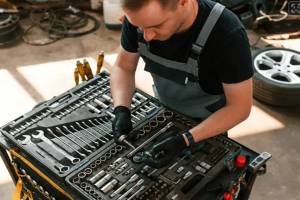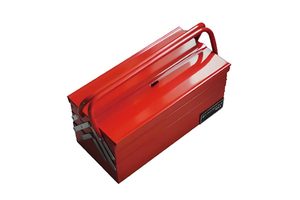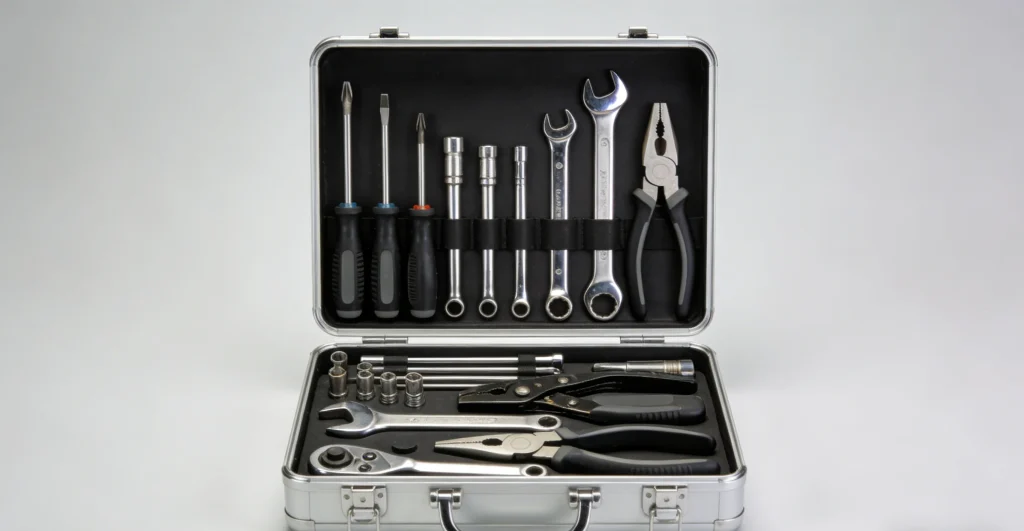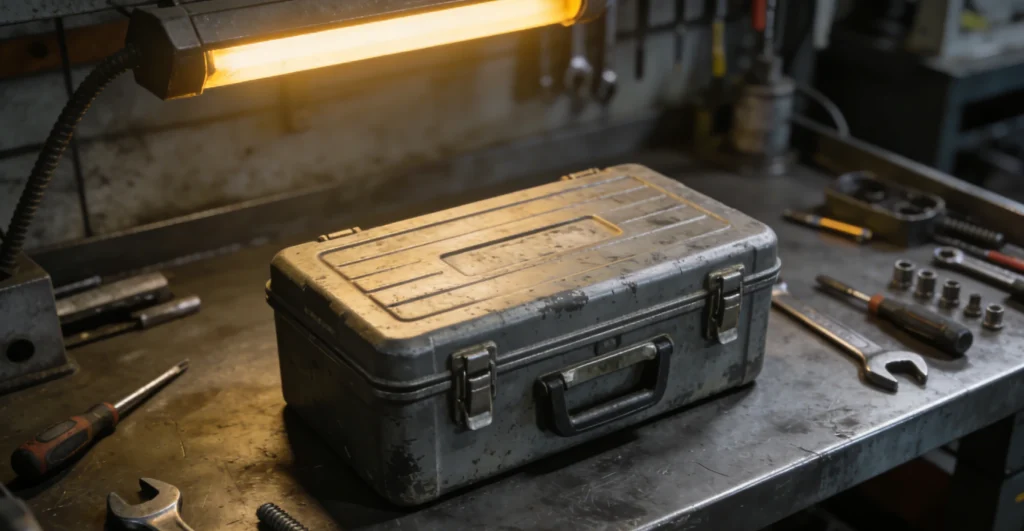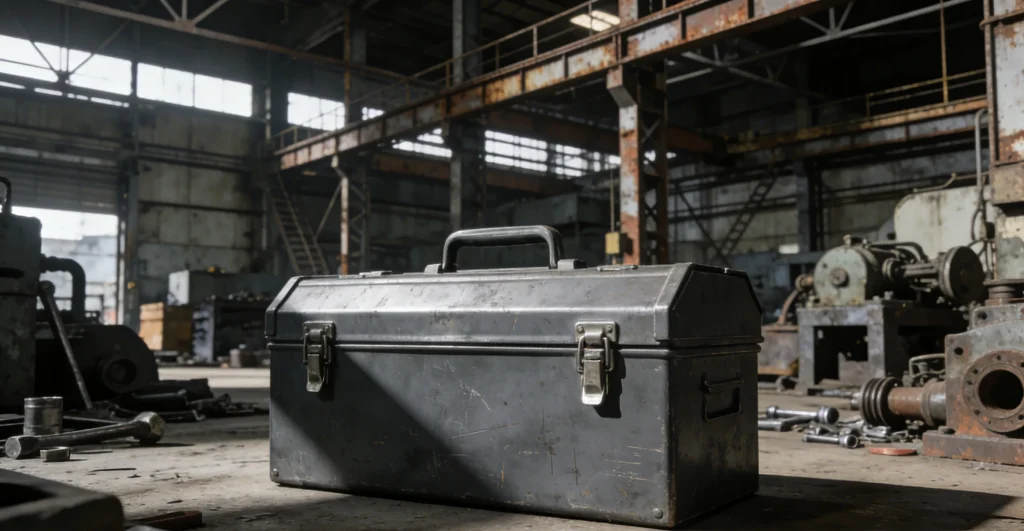
In automotive repair, mechanical processing, industrial maintenance, and equipment servicing environments, maintenance tools are frequently exposed to heavy handling, impacts, dust, and oil contamination. When tools are stored without proper organization for long periods, issues such as surface wear, mutual collisions, damage to precision components, and loss of accessories can easily occur. A well-structured storage method not only keeps tools clean and organized but also reduces daily wear and tear, thereby improving overall tool management efficiency.
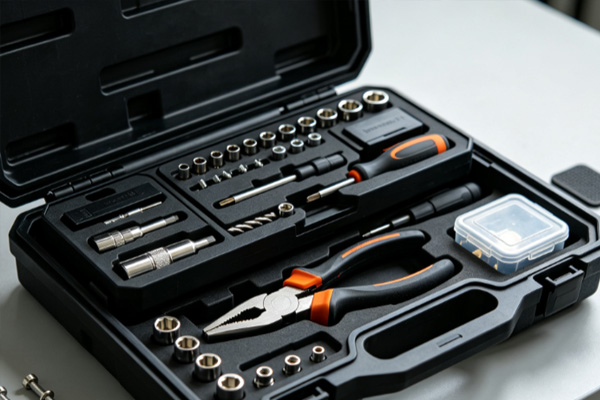
Modular Zoning Reduces Tool Collisions
Maintenance tools come in a wide variety, differing significantly in size, weight, and usage methods.
Independent Storage Reduces Tool Wear
Mixed storage of tools can easily cause friction and impact, and modular structures effectively improve this issue.
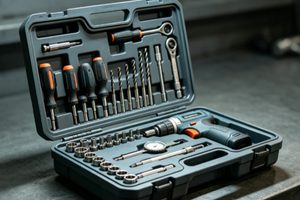
- Hand tool zoning: Wrenches, screwdrivers, and pliers are stored separately by type to avoid compression.
- Independent protection for precision tools: Calipers and measuring instruments are assigned dedicated spaces to reduce collision damage.
- Fixed storage for small tools: Bits, sockets, and cutting heads are placed in separate modules to prevent scattering.
Zoned design ensures tools remain in a stable and orderly storage condition.
Reducing Damage Caused by Mixed Storage
When tools are stored together, collisions and displacement are more likely during transportation.
- Heavy tools stored separately: Large wrenches and pliers are placed in high-load-bearing areas.
- Layered storage for lightweight tools: Small tools are stored independently to avoid being crushed.
- Maintaining spacing between tools: Reduces direct contact and improves storage stability.
Proper spatial planning helps reduce daily tool wear.
Protective Structures Help Tools Adapt to Complex Environments
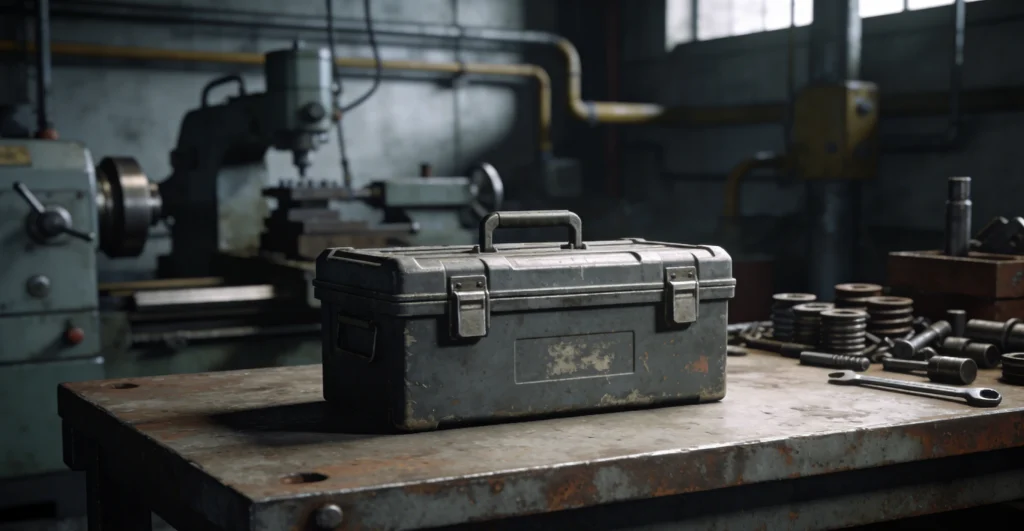
Maintenance workshops often involve dust, oil, humidity, and frequent movement, making the protective performance of toolboxes critical to tool condition.
Dustproof Design Reduces External Contamination
Dust entering tool surfaces or precision components may affect accuracy and service life. Enclosed structures effectively block external contamination. Some modules adopt sealed storage designs, providing a stable environment for tools while reducing cleaning frequency and making maintenance easier. Independent protective spaces for measuring tools and precision parts further improve storage quality, making them more suitable for industrial maintenance environments.
Moisture-Resistant and Wear-Resistant Design Enhances Long-Term Protection
Complex working environments place higher demands on toolbox durability.
- Moisture-resistant structure improves storage conditions: Reduces the impact of humidity on metal tools.
- Wear-resistant materials support frequent use: Maintains structural stability during repeated handling.
- Reinforced housing enhances protection: Withstands daily impacts and transportation shocks.
A stable structure helps extend the service life of the storage system.
Modular Toolboxes Improve Storage and Handling Safety
Tool protection is not only about reducing damage but also ensuring stability during movement, transportation, and use.
Fixed Structures Reduce Tool Displacement During Movement
Maintenance personnel often carry tools to different job sites, making internal stability especially important.
- Independent slots secure tools: Prevents shifting during transportation.
- Drawer and modular layering: Different tools are stored in separate zones to avoid disorder.
- Combined structure enhances overall stability: Multiple modules form a systematic management system.
Stable storage reduces collision risks during transport.
Clear Classification Reduces Misplacement and Loss
Tool management is also a key part of tool protection.
- Fixed tool positions: Each tool has a designated return location.
- Label-assisted identification: Numbers or colors improve retrieval efficiency.
- Centralized storage for small accessories: Screws, washers, and bits are stored together.
Standardized management reduces tool loss and disorganization.
Proper Modular Configuration Extends Tool Service Life
Different working environments require different storage configurations, and well-planned module combinations can improve efficiency.
Optimizing Module Combinations by Application Scenario
Modules can be arranged based on job roles, equipment types, and tool quantities. High-frequency tools, precision tools, and spare accessories are stored separately to improve access efficiency and reduce misuse risks. As tool quantities change, modules can be flexibly added or adjusted to maintain an organized system. In automotive repair and industrial maintenance scenarios, this approach also standardizes tool usage and return processes, improving operational consistency and extending tool lifespan.
Improving Tool Lifespan and Management Efficiency
Proper modular configuration helps tools maintain a more stable condition during long-term use.
- Reduced physical damage: Independent zones prevent collisions and friction.
- Lower risk of misplacement and loss: Fixed positions simplify return and management.
- Extended tool lifespan: Minimizes external impact and long-term wear.
- Improved team efficiency: Unified layout enables faster tool identification.
- Enhanced management visibility: Tool status is clearly visible for inspection and maintenance.
Modular storage not only improves protection but also enhances overall management efficiency.
Modular toolboxes, through independent zoning, dust and moisture protection, stable fixation, and categorized management, provide a comprehensive protective environment for maintenance tools. Proper modular storage reduces collisions and wear between tools while also lowering management costs caused by lost accessories and disorganized placement. SIPHIA BOX focuses on professional tool storage solutions, offering more efficient and organized tool management for automotive repair, industrial maintenance, and professional work scenarios through flexible modular design and practical protective structures.