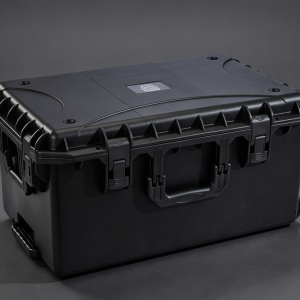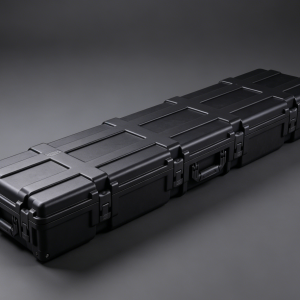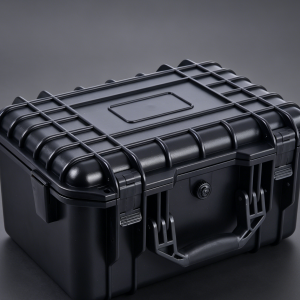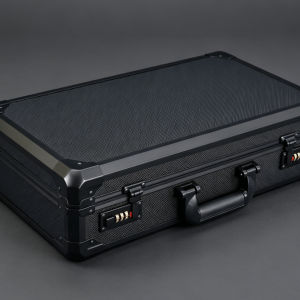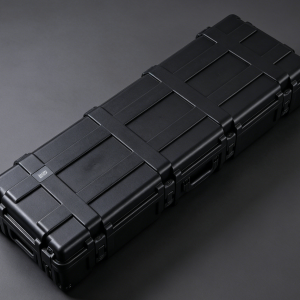
High-toughness plastic toolboxes are mainly manufactured from plastic materials with good impact resistance and toughness. Through reinforced body structures, strengthening ribs, reinforced corners, lids, and internal support systems, these toolboxes can provide improved stability during handling, transportation, and everyday use. Compared with ordinary thin-wall plastic storage boxes, high-toughness toolboxes place greater emphasis on impact resistance and structural integrity during long-term use. They are suitable for automotive repair, mechanical equipment maintenance, electrical installation, engineering construction, outdoor work, and household tool storage. PP, ABS, and HDPE can all be used to manufacture toolboxes with different performance characteristics. Material toughness, wall thickness, injection molding quality, and structural layout all contribute to the final product performance. For workers who frequently carry large quantities of metal tools, a toolbox needs to provide sufficient storage capacity while also handling repeated lifting, loading, unloading, and transportation. High-toughness plastic toolboxes can use reinforced structures to reduce the risk of cracking and deformation while internal trays, dividers, and tool slots keep equipment organized, providing a stable storage solution for professional maintenance and everyday tool management.
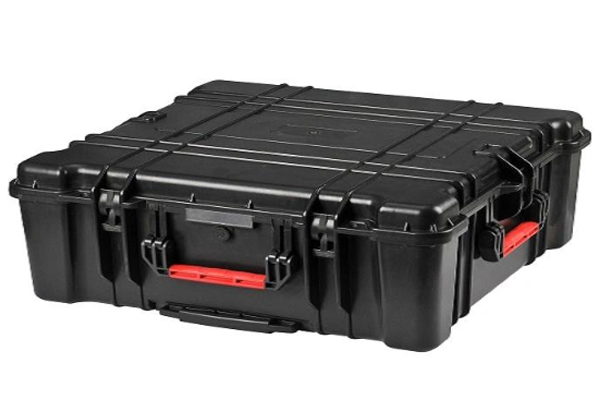
High-Toughness Materials Improve Impact Resistance
Toolboxes are rarely kept completely stationary during actual work. They may be removed from vehicles, shelves, and workbenches and can also experience minor impacts at construction sites. Plastic materials with insufficient toughness may develop cracks or localized damage when subjected to sudden impacts, while high-toughness plastics can absorb part of the impact energy through controlled deformation, helping improve body stability. The impact resistance of a toolbox depends not only on the type of plastic but also on wall thickness, reinforcing rib placement, and corner design. During manufacturing, areas such as the bottom, corners, and latch connections can be reinforced to improve resistance to repeated impacts and handling. Automotive repair and mechanical maintenance workers often store heavy metal tools such as wrenches, sockets, and ratchets inside their toolboxes, creating greater loads on the body. When high-toughness materials are combined with suitable structural reinforcement, the toolbox can provide better resistance to repeated impacts and transportation, making it more suitable for demanding work environments.
High-Toughness Plastic Toolboxes Offer Good Durability
The service life of a toolbox is closely related to material properties, structural design, and daily operating habits. High-toughness plastic can withstand repeated opening, closing, carrying, and minor impacts within its intended application range, making it suitable for long-term use. Compared with disposable or lightweight storage products, high-toughness toolboxes generally use more stable body structures and reinforced designs around the handle, hinges, latches, and bottom. The handle is a frequently stressed part of a toolbox. If the connection area lacks sufficient strength, repeated carrying of heavy tools may cause localized damage. High-toughness products can therefore use reinforced connection structures. Hinges need to withstand repeated opening and closing, while latches must keep the lid securely closed. Coordinating these components can help reduce abnormal wear caused by frequent operation. For corporate maintenance departments, engineering teams, and professional technicians, durable toolboxes can reduce the need for frequent replacement while making it easier to manage tools used by different workers.
High-Toughness Structures Support Tool Transportation and Internal Protection
Tools can experience vibration, shaking, and impact during transportation. Without appropriate internal organization, metal tools can rub against or collide with each other. A high-toughness body provides external protection, while internal structures help reduce tool movement inside the box. Common configurations include:
- Reinforced Bottom Design: A thicker bottom or reinforcing ribs can improve support when carrying heavy tools and reduce the possibility of significant deformation caused by long-term loading.
- Strengthened Corner Structure: Corners are vulnerable to impacts. Increased material thickness or rounded corner designs can improve stress distribution when the toolbox is impacted.
- Internal Tray Design: Upper and lower storage levels can separate different types of tools, keeping small hand tools and larger equipment organized.
- Foam Positioning Structure: Foam inserts can create dedicated positions for measuring instruments, precision tools, and electronic equipment, helping reduce movement during transportation.
- Adjustable Divider Structure: Storage areas can be changed according to tool dimensions, providing more suitable spaces for wrenches, screwdrivers, connectors, and other accessories.
- Reliable Latch System: Secure latches help keep the lid closed during transportation and reduce the risk of tools falling out if the lid opens accidentally.
The combination of a high-toughness body and internal fixing systems can create a more complete tool transportation and protection solution, making these products suitable for repair and engineering work that requires frequent movement of equipment.
High-Toughness Plastic Toolboxes Have a Wide Range of Applications
High-toughness plastic toolboxes can be used in many working environments. Automotive repair, mechanical maintenance, and engineering installation typically require higher load capacity and durability. Automotive technicians often carry sockets, wrenches, screwdrivers, ratchets, and other tools, making larger models with reinforced body structures practical choices. Mechanical maintenance workers may move between workshops, equipment rooms, and production lines, so their toolboxes need to withstand frequent transportation. High-toughness materials can provide a more stable everyday storage solution. Electrical installation workers often carry wire strippers, crimping tools, multimeters, and various wiring accessories and can select models with internal dividers and dedicated tool slots. Outdoor construction environments can expose toolboxes to impacts, dust, and temperature changes, making material toughness and reinforced structures valuable features. Although household DIY users may use toolboxes less frequently, high-toughness models can still provide long-term storage for hammers, wrenches, measuring tapes, drill accessories, and hardware components. Businesses can also configure high-toughness plastic toolboxes in different sizes according to job requirements and use standardized products for tool management, making it easier for maintenance workers to store and access equipment in designated positions.
Key Selection and Maintenance Tips for High-Toughness Plastic Toolboxes
When selecting a high-toughness plastic toolbox, buyers should consider more than the material name. Body structure, wall thickness, bottom reinforcement, handle connections, hinges, and latches can all influence actual performance. Even when two products use the same type of plastic, their performance can vary because of differences in material formulation, manufacturing processes, and structural design. For heavy-duty tools, buyers can choose products with reinforced bottoms, thicker walls, and strong handle connections. For precision equipment transportation, models with foam inserts and dedicated positioning slots may provide better protection. For frequent outdoor use, attention should be given to lid closure and sealing structures to help reduce the entry of dust and moisture. During long-term use, the toolbox should not be loaded beyond its intended capacity, and sharp tools should not be used to strike the body directly. Tools should be distributed according to their weight and size instead of concentrating all heavy items in one area. Hinges, latches, and handles should be kept clean, and obvious looseness should be inspected promptly. By combining material toughness, reinforced body construction, internal fixing systems, and portable features, high-toughness plastic toolboxes can provide stable storage conditions for professional maintenance and everyday tool organization. Choosing the appropriate specifications and using the toolbox correctly can help extend its practical service life while making tool transportation, storage, and field operations more efficient.