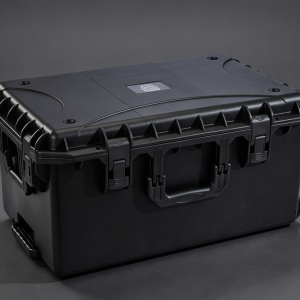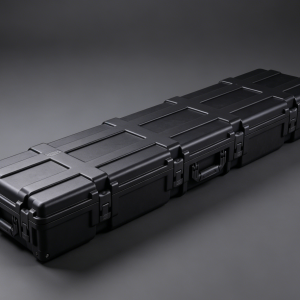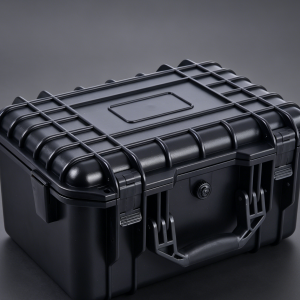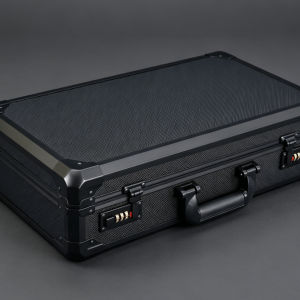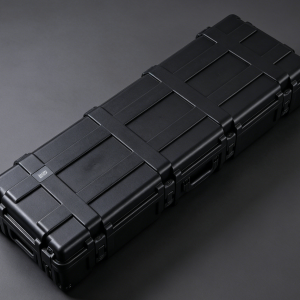
When purchasing a toolbox, instrument case, or professional equipment storage case, you may notice that product specifications often include both “external dimensions” and “internal dimensions.” Although the two measurements seem similar, they have different purposes and can directly affect whether your tools can fit inside, how much usable storage space is available, and whether the toolbox is convenient to transport.
If you only pay attention to the external dimensions, you may purchase a toolbox that looks large from the outside but provides less usable space than expected. Understanding the difference between internal and external toolbox dimensions is an important step in choosing the right storage solution.
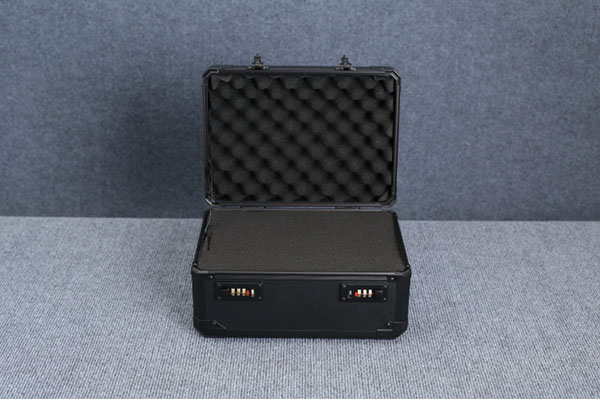
What Are External Toolbox Dimensions?
External toolbox dimensions refer to the overall measurements taken from the outside of the toolbox, usually including length, width, and height. Depending on the product design, these measurements may include the outer shell, lid, frame, handles, hinges, wheels, or other external components.
External Dimensions Determine the Required Space
External dimensions help you determine whether a toolbox will fit inside a vehicle trunk, storage cabinet, warehouse shelf, workbench, or other designated space.
For example, if you need to place a toolbox in the trunk of a car, you should check its external length and width first. For air transportation, logistics, and warehouse storage, external dimensions are also important because they determine the overall space occupied by the toolbox.
External Dimensions Affect Transportation
Larger toolboxes generally take up more transportation and storage space. Although a large toolbox may offer greater storage capacity, it can also be more difficult to carry and may increase shipping costs.
For professionals who frequently move their tools between different locations, it is important to consider both external dimensions and overall weight.
What Are Internal Toolbox Dimensions?
Internal toolbox dimensions refer to the actual usable space inside the case. They usually include the internal length, width, and height available for storing tools, instruments, and equipment.
Internal Dimensions Determine Whether Equipment Will Fit
If you need to store a large instrument, external dimensions alone cannot tell you whether the equipment will fit inside. The equipment dimensions must be compared with the toolbox’s actual internal storage space.
For example, if a device is 400 mm long, the internal length of the toolbox must be greater than 400 mm. Additional space should also be reserved for foam inserts, shock-absorbing materials, and convenient access.
Internal Structures Affect Usable Space
The thickness of the toolbox walls, reinforcing ribs, dividers, trays, and foam inserts can all occupy internal space. Therefore, two toolboxes with similar external dimensions may have different amounts of usable internal space.
For protective instrument cases, internal space design is particularly important. Properly designed foam inserts can hold equipment securely and reduce the risk of impact and vibration during transportation.
What Is the Difference Between Internal and External Toolbox Dimensions?
Simply put, external dimensions tell you how large the toolbox is from the outside, while internal dimensions tell you how much space is actually available inside.
Different Measurement Areas
External dimensions are measured from the outside of the toolbox and mainly indicate the overall space occupied by the product. Internal dimensions are measured inside the case and indicate the usable storage area.
Different Applications
External dimensions are mainly used for transportation, warehouse storage, vehicle fitting, and space planning. Internal dimensions are primarily used to determine whether specific tools, instruments, or equipment can fit inside.
Wall Thickness and Structure Reduce Internal Space
Because toolboxes have walls and structural components, their internal dimensions are normally smaller than their external dimensions. Heavy-duty shells, sealing structures, reinforcement, and protective foam can further reduce the usable internal space.
Therefore, you should never assume that internal capacity can be accurately calculated from the external dimensions alone.
Which Toolbox Dimensions Should You Check?
The dimensions you need to focus on depend on how you plan to use the toolbox.
Storing Standard Hand Tools
If you mainly store screwdrivers, wrenches, pliers, and other hand tools, pay close attention to internal length, width, height, and compartment design. The number of tools should also be considered to prevent excessive stacking.
Storing Precision Instruments
For measuring instruments, optical equipment, electronic testing devices, and other precision products, internal dimensions should be the priority. In addition to the equipment dimensions, allow enough room for foam inserts, protective materials, and safe handling.
Transportation and Warehouse Storage
If the toolbox needs to fit on a shelf, inside a vehicle, or within a shipping package, external dimensions become particularly important. When transporting multiple toolboxes together, you should also consider stacking arrangements and the total occupied space.
How to Measure Toolbox Dimensions Correctly?
Measure the Tools or Equipment First
Before selecting a toolbox, measure the length, width, and height of the equipment you need to store. For irregularly shaped equipment, measure according to its maximum overall dimensions.
Leave Enough Protective Space
A toolbox should not be selected simply because the equipment can fit inside with almost no extra room. For precision equipment, additional space may be needed for foam, dividers, shock-absorbing materials, and easy access.
Confirm How the Manufacturer Defines Dimensions
Different toolbox manufacturers may use different methods to define product dimensions. Some manufacturers may include the lid in the overall height, while others may list the case body and lid separately.
Before purchasing, it is recommended to confirm exactly how the listed dimensions are measured.
Common Mistakes When Choosing Toolbox Dimensions
Looking Only at External Dimensions
A large external size does not necessarily mean a large internal storage capacity. Thick walls, protective foam, trays, and internal structures can significantly reduce usable space.
Ignoring Tool Shape
Tools with the same length may occupy different amounts of space. Handles, protruding parts, and special structures may require additional internal clearance.
Not Considering Future Expansion
If your tool collection is likely to grow, choosing a slightly larger toolbox can provide additional storage capacity and prevent the need to purchase another toolbox later.
Internal and external toolbox dimensions serve different purposes. External dimensions are mainly related to transportation, storage, and placement, while internal dimensions directly determine whether your tools and equipment can be stored safely and efficiently.
When choosing a toolbox, start by measuring the tools or equipment you need to store. Then consider foam inserts, dividers, protective materials, and handling space to determine the required internal dimensions. At the same time, check whether the external dimensions are suitable for your transportation and storage environment.
For professional applications such as beauty tools, electronic testing equipment, laboratory instruments, measuring devices, and industrial equipment, properly matching internal and external dimensions can improve storage efficiency while providing more reliable protection for valuable tools and equipment.