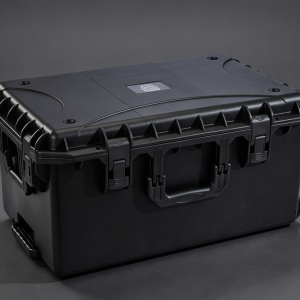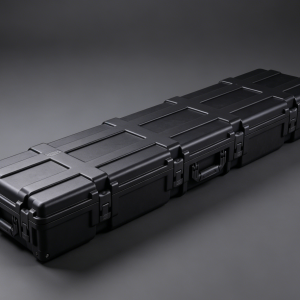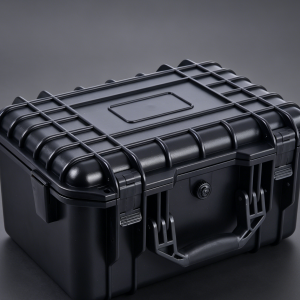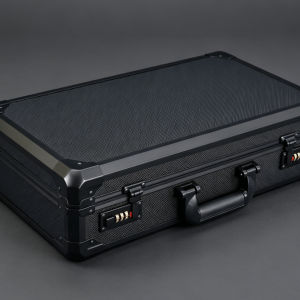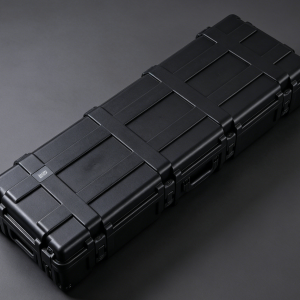
The color of a tool box is not only part of its appearance design, but can also be used for brand identification, vehicle matching, product differentiation, and corporate image presentation. If all products use common silver, black, or gray colors, they may be simple and durable, but they are not easy to identify quickly in fleets, engineering sites, or storage areas. By customizing an exclusive color, the tool box can be kept consistent with the company’s logo, vehicle color, or brand identity. For example, a company can specify a brand blue as the main color of the tool box and combine it with a silver frame; alternatively, a black box body can be combined with company-standard-color locks and frames. Exclusive colors for tool boxes can usually be achieved through processes such as spraying, powder coating, and anodizing. Different materials and surface treatment methods also produce different color effects.
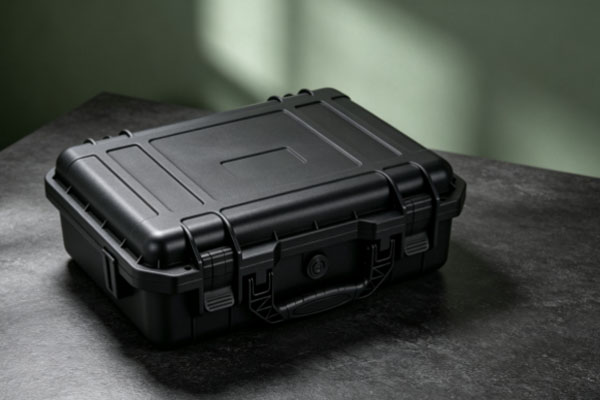
Before customizing the color of an aluminum tool box, it is necessary to determine the box material, surface condition, color standard, operating environment, and processing areas. If only a small quantity of products is being purchased, manufacturers’ existing common colors can be selected; if the order involves bulk purchasing or long-term use, production can be carried out according to a color code specified by the company. It should be noted that there may be some differences between the color displayed on a computer screen and the actual product color. Therefore, when color requirements are strict, it is best to confirm the color through a standard color card, color code, or physical sample. Only by determining the color standard, processing method, and usage requirements in advance can the final tool box color be made closer to expectations.
What Needs to Be Prepared for Customizing an Exclusive Color?
First Determine the Specific Color
When customizing the color of a tool box, it is not enough to simply specify “blue,” “red,” or “dark gray.” The same color may have different shades and tones. For example, blue can include light blue, sky blue, dark blue, navy blue, and other variations, and there may be noticeable differences between the finished products. If a company already has a fixed brand color, it can provide the corresponding color code directly so that the manufacturer can match the color according to the standard.
Common methods of color confirmation include:
Standard color code: Suitable for corporate brand colors and bulk orders.
Color card sample: Convenient for physical color comparison before production.
Physical reference: The manufacturer can match the color based on an existing product.
Rendering confirmation: Suitable for determining two-tone or multi-area color combinations at the preliminary stage, but the final color should still be based on the physical sample.
Then Determine Where the Color Will Be Applied
A tool box can be made in a single color or use two-tone or partial color combinations. For example, the box body can use the company’s brand color while the lid and frame use black; alternatively, the aluminum alloy can retain its silver color while only the lid, areas around the handle, and decorative strips receive color treatment. Different color coverage areas will produce different visual effects, so the requirements need to be specified in advance during customization.
What Processes Are Used for Tool Box Color Customization?
Spraying Is Suitable for Various Color Customizations
Spraying is a relatively common method for customizing tool box colors. After the aluminum tool box is cleaned, polished, and appropriately surface-treated, a colored coating can be formed on the surface. This method provides flexible color selection, making it suitable for specified corporate colors as well as two-tone tool box processing. If the tool box requires a large-area color change, spraying can conveniently cover the original metal surface.
Powder Coating Is Suitable for Bulk Products
Powder coating is also a commonly used surface treatment method for industrial aluminum products. Powder material is electrostatically applied to the metal surface and then heated and cured to form a coating. This process can provide different colors and surface effects, such as matte, semi-matte, or relatively smooth finishes.
Anodizing Retains a Metallic Appearance
If the user wants the tool box to retain the natural metallic appearance of aluminum, surface treatment methods such as anodizing can be considered. This method changes the condition of the aluminum surface layer through surface treatment. Some aluminum tool boxes use silver, black, and other anodized finishes, which can retain a certain metallic appearance.
The Operating Environment Also Needs to Be Considered When Customizing Colors
Weather Resistance of Outdoor Tool Boxes
If the tool box is installed on the exterior of a truck, it will be exposed to sunlight, rain, and dust for long periods. In this situation, it is not enough to consider whether the color looks attractive; the weather resistance of the coating also needs to be considered. If the coating quality is insufficient, long-term exposure to sunlight may cause fading, loss of gloss, or surface aging. Therefore, when customizing colors for outdoor tool boxes, the manufacturer should be asked whether the corresponding surface treatment is suitable for long-term outdoor use.
Consider the Temperature of Dark-Colored Tool Boxes
Dark-colored surfaces such as black and dark blue generally absorb more solar radiation. Under direct sunlight in summer, the surface temperature of a dark-colored tool box may rise more noticeably than that of a light-colored tool box. If heat-sensitive items are stored inside, the color selection and internal insulation measures need to be considered according to the actual environment.
Frequently Asked Questions
Q1: Can a tool box be customized according to the color of a company’s logo?
Yes. The company can provide a brand standard color, color code, or physical sample, and the manufacturer can match it according to the production process. When color requirements are strict, it is recommended to confirm a sample before mass production.
Q2: Can small-batch tool boxes be customized in color?
This usually needs to be determined according to the manufacturer’s production methods and minimum order quantity. Small orders may incur additional color-change, color-matching, or processing costs, so specific requirements should be confirmed before placing an order.
Q3: Can two colors be customized at the same time?
Yes. Common methods include using different colors for the box body and lid, different colors for the main body and frame, or applying different colors to specific decorative areas.
Q4: If I provide a picture, can the manufacturer directly match the colors according to the picture?
It can be used as a reference, but images can be affected by the display, shooting environment, and lighting, so they cannot completely represent the actual color. For branded products, it is best to provide a standard color code or physical color card.
Customizing an exclusive color for a tool box requires the color standard and production requirements to be clearly communicated in advance. Ordinary users can select common colors provided by the manufacturer; for corporate purchasing, truck fleets, and industrial equipment supporting products, it is more suitable to use standard color codes, color cards, or physical samples to determine the color. In terms of processing methods, spraying, powder coating, or anodizing can be selected according to the material and usage requirements of the aluminum tool box. Different processes produce differences in color texture, wear resistance, and surface effects, so the color itself should not be the only consideration. If the tool box is installed outdoors for long periods, the weather resistance and color stability of the coating also need to be considered. For dark-colored products such as black and dark blue, the surface temperature increase caused by direct sunlight should also be taken into account.
When customizing an exclusive color, it is recommended to follow the process of “determining the color code—determining the color position—selecting the surface treatment process—making a sample—confirming before mass production.” This can reduce color differences and prevent the color from being found inconsistent with expectations only after mass production has been completed. Reasonable color design can keep the tool box consistent with the vehicle, equipment, and corporate visual identity while also making on-site identification and product management easier. As long as the color standard is determined in advance and a processing method suitable for the operating environment is selected, a more stable and consistent exclusive color effect can be achieved.