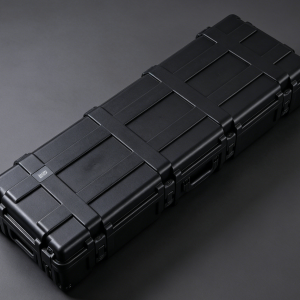
Electrical work takes place in many different environments, from residential wiring and commercial construction to factory equipment maintenance, distribution cabinet inspection, and outdoor power facility servicing. Electricians need to carry professional tools such as screwdrivers, wire strippers, electrical pliers, crimping tools, electrician knives, voltage testers, multimeters, insulated tools, and various wiring terminals. Without an appropriate storage solution, these tools can easily become mixed together, small components may become scattered, and finding the right tool can take unnecessary time.
Plastic toolboxes offer advantages such as lightweight construction, flexible internal layouts, moisture resistance, and easy cleaning, making them suitable for many electrical applications. Internal trays, tool slots, and separate compartments can be designed according to the dimensions of electrical tools, keeping different equipment in organized positions.
For electricians who frequently move between different work areas, portable plastic toolboxes can keep commonly used equipment together and reduce unnecessary trips to retrieve tools. ABS and PP toolboxes can also be equipped with reinforcing ribs, latches, sealing gaskets, and non-slip handles according to specific requirements. With the right capacity and internal configuration, plastic toolboxes can improve everyday tool management and make electrical installation and maintenance work more organized.
Applications in Residential and Commercial Electrical Installation
Residential renovation and commercial construction projects often involve wiring installation, socket installation, switch installation, lighting connections, and low-voltage or communication wiring. Electricians may need to carry numerous small tools and installation accessories while moving between rooms, floors, and different construction areas.
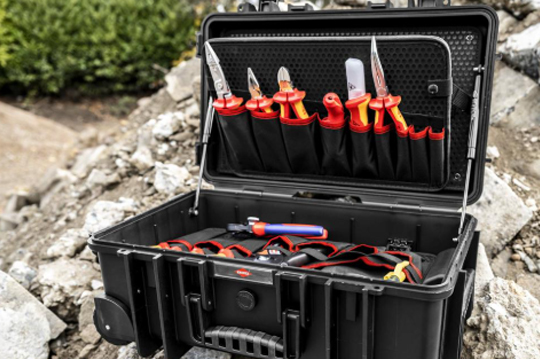
A plastic toolbox can keep screwdrivers, electrical pliers, wire strippers, electrician knives, voltage testers, and measuring tapes in one place. Internal trays can be used for frequently accessed tools, while separate compartments can store screws, terminals, expansion plugs, connectors, and other small accessories.
Construction sites can contain dust, debris, and occasional moisture. An enclosed plastic toolbox can reduce prolonged exposure of tools to the surrounding environment. Compared with open storage containers, models with lids and latches are more convenient for transportation and can reduce the risk of tools falling out.
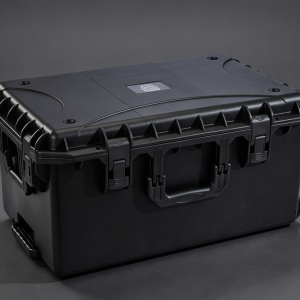
For high-rise construction or large commercial projects, toolboxes equipped with wheels and telescopic handles can make it easier for electricians to move larger collections of tools and improve job-site efficiency.
Applications in Factory Equipment Maintenance and Distribution Cabinet Inspection
Industrial electricians maintain motors, control cabinets, distribution equipment, sensors, and electrical systems on production lines. These working environments are often more demanding than ordinary indoor installation areas.
Maintenance personnel may need to carry multimeters, insulated screwdrivers, wrenches, wire-stripping tools, crimping tools, and replacement terminals at the same time. A plastic toolbox can provide centralized storage and allow workers to prepare a specific set of tools according to the maintenance task.
Factory maintenance teams can assign dedicated toolboxes to different equipment, such as motor maintenance toolboxes, distribution cabinet inspection toolboxes, or production line inspection toolboxes. Fixed storage positions inside the box make it easier to check whether all tools have been returned.
Plastic materials are generally resistant to ordinary moisture and do not rust like conventional steel surfaces. This makes them suitable for certain workshops and equipment maintenance areas. When dust, oil, or metal particles accumulate on the exterior, the plastic body is also relatively easy to clean.
For workers who perform regular equipment inspections, lightweight construction can reduce the burden of carrying tools across large factory areas.
How Can Electrical Tools Be Organized Inside a Toolbox?
Electrical tools vary significantly in size, shape, and frequency of use. As a result, the internal layout of a toolbox can directly affect access efficiency during field work.
A well-designed plastic toolbox can use multi-layer trays, tool slots, adjustable dividers, and independent storage boxes to create organized storage areas. Frequently used tools can be placed in upper compartments, larger or less frequently used equipment can be stored at the bottom, and small components can be kept in dedicated compartments.
Common internal configurations for electrical tool storage include:
- Multi-Layer Trays: Suitable for screwdrivers, wire strippers, crimping tools, and other frequently used equipment.
- Tool Positioning Slots: Fixed positions based on tool dimensions can reduce movement and contact during transportation.
- Independent Compartments: Suitable for terminals, screws, nuts, cable ties, connectors, and other small accessories.
- Adjustable Dividers: Allow users to modify storage space according to the dimensions of their electrical tools.
- Foam Inserts: Suitable for multimeters and testing instruments, providing additional cushioning and positioning during transportation.
An organized interior can help electricians develop consistent storage habits and make it easier to check equipment after completing a job. For corporate maintenance teams, standardized toolbox configurations can also improve tool management practices.
Applications in Outdoor Power Construction and Field Maintenance
Power line construction, communication equipment installation, solar energy system installation, and outdoor equipment maintenance often require workers to operate at different locations. Compared with fixed workbenches, outdoor environments can be more challenging. Tools need to be portable while also being protected from dust, soil, and moisture as much as practical.
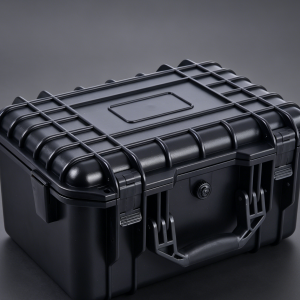
Plastic toolboxes with enclosed bodies can provide a relatively protected storage environment. Models equipped with sealing gaskets can further reduce the possibility of dust and moisture entering through gaps around the lid.
Electricians can prepare tools according to the specific task. For wiring installation, they may carry wire strippers, crimping tools, electrician knives, and terminals. Equipment commissioning may require multimeters, test leads, and screwdrivers. Solar equipment installation may require wrenches, connectors, and electrical testing tools.
Preparing tools according to the workflow can reduce the time spent searching for equipment at the work site. For workers moving across large construction areas, large-capacity toolboxes with wheels and telescopic handles can be convenient. Smaller repair tasks may only require a lightweight model with a carrying handle.
It is important to distinguish dust resistance from waterproof performance. Outdoor users should check the actual specifications and protection level of the toolbox before selecting a model.
What Should Electricians Consider When Choosing a Plastic Toolbox?
The right electrical toolbox should be selected according to the type and quantity of tools, working location, and transportation frequency. Household electrical maintenance may only require a compact portable toolbox for basic screwdrivers, pliers, and testing tools. Professional electricians may benefit from models with multiple trays and independent compartments. Industrial maintenance personnel carrying larger tool collections and testing equipment may require reinforced, large-capacity products.
Key features to consider include:
- Body Material: ABS is suitable for toolboxes requiring good rigidity and dimensional stability, while PP is useful for lightweight and tough products.
- Load Capacity: When carrying numerous metal tools, check the bottom reinforcement, wall thickness, and handle connection structure.
- Dust Protection: For dusty construction environments, enclosed lids and sealing gaskets can provide additional protection.
- Internal Organization: Trays, tool slots, and independent compartments improve the organization of electrical tools.
- Portable Structure: Wide handles are useful for frequent carrying, while large-capacity models can benefit from wheels and telescopic handles.
- Latch Design: Reliable latches help keep the lid securely closed and reduce the possibility of tools becoming scattered during transportation.
- Easy Maintenance: Electrical toolboxes may come into contact with dust and construction residues, so easy-to-clean plastic surfaces can reduce maintenance effort.
Plastic toolboxes can support a wide range of electrical applications, including residential wiring, commercial construction, factory equipment maintenance, distribution cabinet inspection, and outdoor electrical installation. Lightweight bodies make tools easier to carry, while trays and compartments improve organization. Enclosed structures can reduce prolonged exposure to dusty environments, while reinforced bottoms and reliable handles support frequent transportation.
For business procurement, different toolbox capacities and configurations can be assigned according to electrician roles and specific project requirements. Selecting suitable materials, dust protection, load capacity, and mobility features can help plastic toolboxes adapt to everyday electrical work while improving convenience and organization during installation and maintenance tasks.