When choosing a toolbox, most people focus on size, material, capacity, internal organization, and protection. Color is often treated as a simple appearance choice. In fact, toolbox color can affect more than visual appeal. Depending on the working environment, it can influence toolbox visibility, tool classification, cleaning and maintenance, and overall usability.
For maintenance workers, engineers, technicians, and professionals who frequently work on-site, choosing the right toolbox color can make tool storage and daily work more convenient.
Why Does Toolbox Color Affect the User Experience?
Different Colors Make Toolboxes Easier to Identify
In workshops, warehouses, construction sites, and other working environments, toolboxes are often surrounded by equipment, materials, and other objects. If a toolbox has a color similar to its surroundings, it may be more difficult to locate quickly.
Red, orange, and yellow toolboxes generally have strong visual visibility and can be easier to identify in busy work environments. For professionals who frequently need to access their tools, reducing the time spent looking for a toolbox can help make the workflow more efficient.
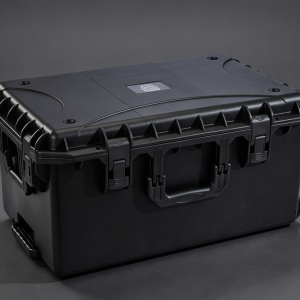
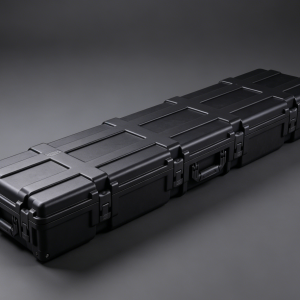
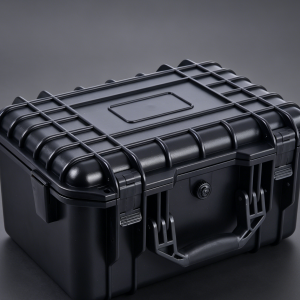
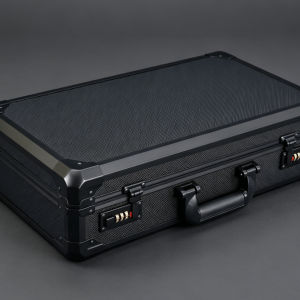
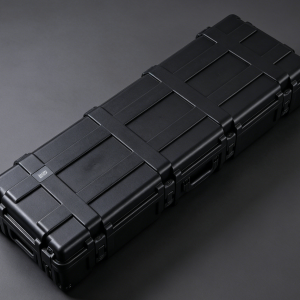
Black and dark gray are also popular toolbox colors. They offer a professional and understated appearance and are suitable for workshops, studios, garages, and general maintenance environments.
Color Can Help Organize and Classify Tools
When a company or maintenance team uses multiple toolboxes, color can provide a simple way to organize different tools.
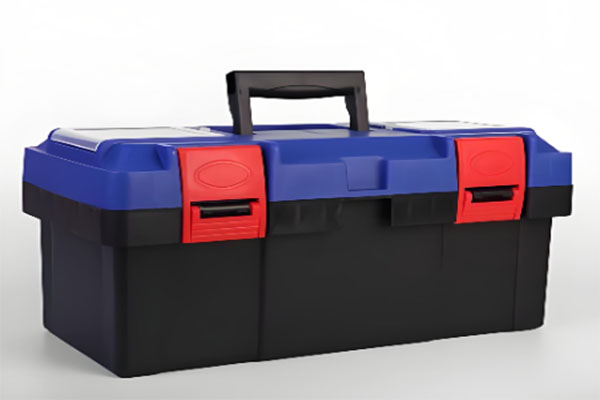
For example, a blue toolbox can be used for electronic repair tools, a red toolbox for mechanical tools, and a yellow or orange toolbox for emergency maintenance equipment. By establishing a consistent relationship between color and toolbox purpose, workers can quickly understand what each toolbox contains.
This approach can be especially useful for teams managing a large number of tools because it can reduce the time spent searching for or selecting the correct toolbox.
Which Toolbox Colors Are Suitable for Different Applications?
Black Toolboxes: Professional and Classic
Black is one of the most common toolbox colors. It works well in automotive repair, mechanical maintenance, equipment servicing, and similar professional environments.
A black toolbox usually has a strong professional appearance and can easily match different types of equipment. However, dust, scratches, and certain stains may become more noticeable over time, so regular cleaning and maintenance are important.
Red, Orange, and Yellow Toolboxes: Better Visibility
For construction sites, outdoor maintenance, and emergency repair applications, highly visible colors can offer practical advantages.
Red, orange, and yellow toolboxes are easier to distinguish from surrounding equipment and materials. When workers need to locate a toolbox in a large or complicated work area, these colors can provide a clear visual reference.
Blue and Gray Toolboxes: Suitable for Professional Workspaces
Blue and gray generally create a clean, stable, and professional visual impression. These colors are suitable for electronics repair, laboratories, engineering workshops, technical environments, and corporate workspaces.
Companies with a consistent brand identity can also select toolbox colors that match their corporate colors, helping create a more coordinated and professional workspace.
Details to Consider When Choosing Toolbox Colors
Consider the Surface Finish Along with the Color
The same color can create different user experiences depending on the surface finish.
Glossy surfaces can look brighter and more attractive, but fingerprints and minor scratches may be more visible. Matte or textured finishes can create a more understated appearance and may blend better into industrial environments.
Therefore, when choosing a toolbox, it is important to consider not only the color but also the material and surface treatment.
Choose the Color According to the Working Environment
There is no single toolbox color that is ideal for every application.
If a toolbox is mainly used indoors, appearance, brand identity, and personal preference may be more important. If it is frequently used outdoors, on construction sites, or for mobile equipment maintenance, a highly visible color may be a more practical choice.
For businesses purchasing multiple toolboxes, different colors can also be used to distinguish departments, tool categories, or users, making tool management more organized.
Match the Exterior Color with the Internal Organization
The exterior color is only one part of an effective tool management system. To improve efficiency further, toolboxes can be combined with foam inserts, dividers, labels, and other internal organization solutions.
For example, different tool categories can be assigned different-colored storage areas. When a tool is removed, the contrasting color can make the empty position easier to notice, helping workers quickly identify missing tools and maintain better organization.
How Should You Choose the Right Toolbox Color?
When selecting a toolbox color, consider factors such as the working environment, tool type, visibility requirements, cleaning frequency, and team management practices.
For individual users, a color that is easy to recognize and matches personal working habits may be the best choice. For businesses purchasing toolboxes in larger quantities, different colors can be used to distinguish departments or tool categories. For outdoor construction and field maintenance, highly visible colors such as red, orange, and yellow can be especially practical.
However, toolbox color should not replace considerations such as size, material, protection, and internal organization. A truly practical toolbox needs to balance appearance with functionality.
Toolbox color may seem like a simple aesthetic detail, but the right color can improve toolbox identification, tool organization, and workflow efficiency. Black and gray are suitable for users who prefer a professional and understated appearance, blue works well in electronics and engineering environments, while red, orange, and yellow are ideal for applications where quick toolbox identification is important.
When purchasing a toolbox, do not focus only on capacity and material. Consider the working environment and choose a color that fits your specific needs. By combining color, internal organization, size, material, and protection features, you can achieve a more efficient and practical toolbox experience.