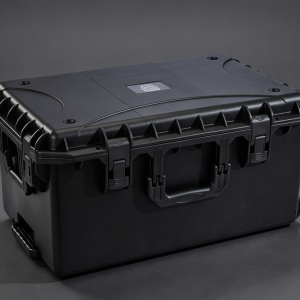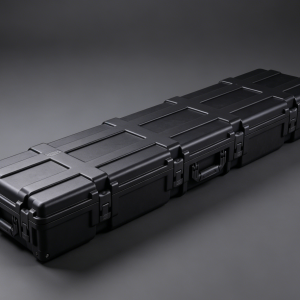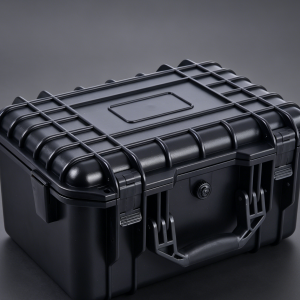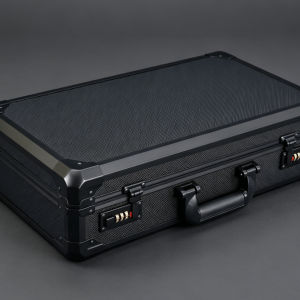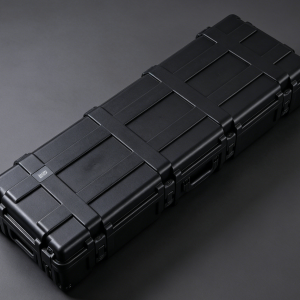
Toolbox size may seem like a simple difference in length, width, and height, but it can have a significant impact on tool storage, portability, accessibility, and work efficiency. A toolbox that is too small can cause tools to become crowded or difficult to store, while an oversized toolbox may add unnecessary weight and take up too much space. Therefore, choosing the right toolbox size requires consideration of the tools, quantity, and working environment. The right toolbox dimensions can improve storage efficiency and make daily work more convenient.
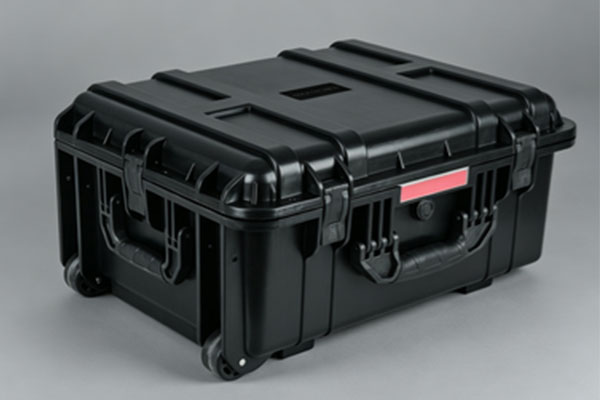
Why Does Toolbox Size Affect the User Experience?
It Determines Whether Tools Can Be Stored Properly
The basic purpose of a toolbox is to store and protect tools. If the internal dimensions are insufficient, long wrenches, screwdrivers, drills, and other tools may not fit properly. Even if they can be forced inside, the toolbox lid may not close correctly.
For this reason, users should not focus only on the external dimensions of a toolbox. Internal length, width, and height are more important when determining whether the available space can accommodate the required tools.
It Affects Tool Organization
A larger toolbox usually provides more internal storage space, allowing users to install trays, dividers, or separate compartments. Different types of tools can be organized into dedicated areas, such as keeping wrenches and sockets together while placing screwdrivers and pliers in another compartment.
Adequate internal space reduces tool stacking and makes it easier to find the right tool quickly.
Key Factors of Toolbox Size That Affect the User Experience
Internal Dimensions
Internal dimensions are one of the most important factors determining toolbox practicality.
Even when two products are both described as “large toolboxes,” their actual usable storage space can be quite different. Wall thickness, reinforcement structures, trays, and foam inserts all occupy some of the interior space.
When selecting a toolbox, measure the longest, widest, and tallest tools that need to be stored. If power tools are involved, pay particular attention to internal height and depth to prevent unnecessary pressure on the equipment.
Number of Tools
The greater the number of tools, the more storage capacity is generally required.
If you only need to store a few screwdrivers, wrenches, and pliers, a small or medium toolbox may be sufficient. If you need to store a complete maintenance kit, power tools, and numerous accessories, a large-capacity toolbox may be more appropriate.
However, bigger is not always better. An oversized toolbox can waste internal space and become difficult to carry when fully loaded.
Tool Size and Shape
The different shapes of tools also affect the choice of toolbox dimensions.
Wrenches and screwdrivers require sufficient length, while drills, angle grinders, and other power tools require greater width and height. Measuring instruments may also need individual protective compartments.
Therefore, toolbox size should not be determined only by the number of tools. The actual dimensions and shapes of the tools should also be considered.
Toolbox Weight
A larger toolbox generally provides greater capacity, but its overall weight can increase significantly after it is filled with tools.
For technicians who frequently travel between job sites, an excessively heavy toolbox can reduce portability. For workshops, warehouses, or fixed workstations, however, a larger toolbox may provide more practical storage capacity.
For mobile applications, users should find the right balance between toolbox size, capacity, and weight.
Toolbox Size Requirements for Different Applications
Home Maintenance
Household users typically do not need to store a large number of professional tools. A small or medium toolbox is often more convenient for everyday items such as screwdrivers, hammers, wrenches, pliers, and tape measures.
A compact toolbox is also easier to place in cabinets, storage rooms, or vehicle trunks.
Construction and Engineering
Construction work often requires more types of tools, including drills, wrenches, measuring equipment, and installation accessories. As a result, larger internal capacity is usually required.
For workers who need to move between different areas of a construction site, a rolling toolbox or a large toolbox designed for easier transportation can be a practical choice.
Industrial Maintenance
Industrial maintenance often involves a large collection of professional tools and equipment. In these applications, toolbox capacity, load-bearing performance, and internal organization are particularly important.
A large toolbox can use trays, dividers, and modular inserts to organize different tools efficiently. If precision inspection equipment is stored inside, shock resistance, dust protection, and water resistance should also be considered.
How to Choose the Right Toolbox Size?
Measure Your Tools First
Before purchasing a toolbox, gather the tools that need to be stored and measure the longest, widest, and tallest items.
The internal dimensions of the toolbox should be slightly larger than the actual tool dimensions. This provides enough clearance for convenient placement and removal.
Organize Tools According to Frequency of Use
Frequently used tools should be placed in easily accessible areas, while less frequently used tools can be stored in lower compartments or separate sections.
This organization prevents users from having to move the entire contents of the toolbox just to find one small tool.
Leave Room for Future Expansion
If you expect your tool collection to grow, avoid selecting a toolbox that is exactly large enough for your current tools.
Leaving additional storage capacity makes it easier to add new tools in the future. It also reduces excessive stacking and keeps the toolbox organized.
Toolbox Size and Internal Design Should Be Considered Together
The overall user experience is not determined by toolbox size alone. Internal organization is equally important.
For example, two toolboxes may have similar capacities, but one may have a single large compartment while the other includes trays, dividers, and modular inserts. The latter can provide a more organized and convenient storage experience.
For precision instruments, customized foam inserts can be designed according to the shape of the equipment. This helps keep instruments securely positioned and reduces movement and impact during transportation.
Toolbox size affects the user experience in several ways, including storage capacity, tool organization, portability, accessibility, and workspace requirements. When choosing a toolbox, users should not simply look for the largest capacity or the smallest possible size. Instead, the right toolbox dimensions should be selected according to tool size, quantity, and application environment.
For home users, small and medium toolboxes are generally more convenient. For construction and industrial maintenance, large toolboxes can provide greater storage capacity. Combined with properly designed trays, dividers, and protective inserts, the right toolbox can deliver a more efficient, secure, and convenient tool storage solution.