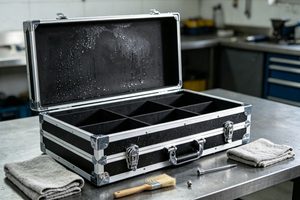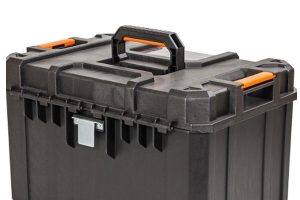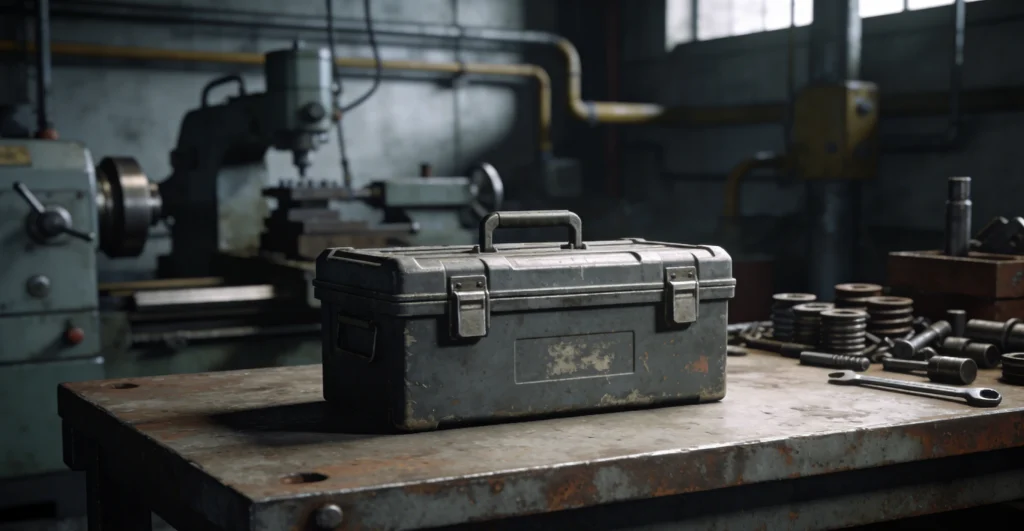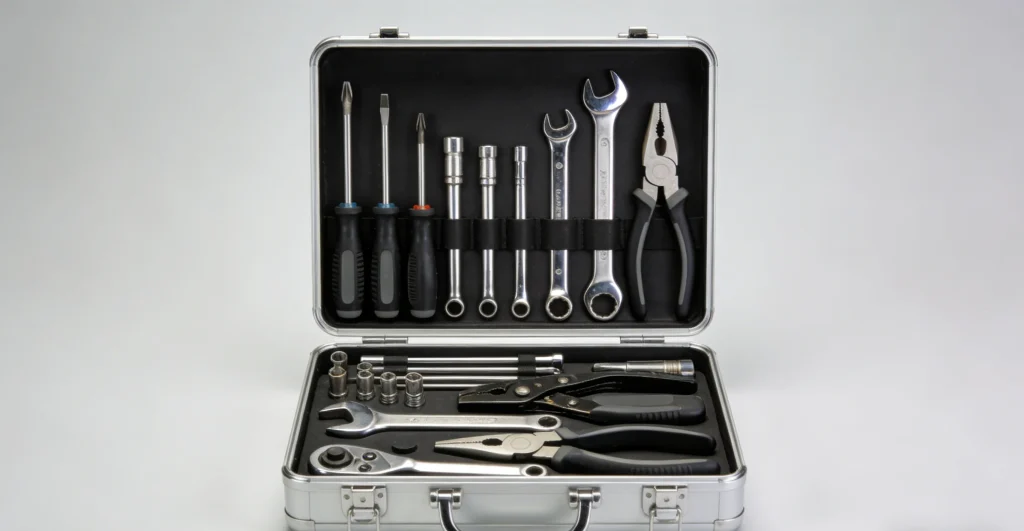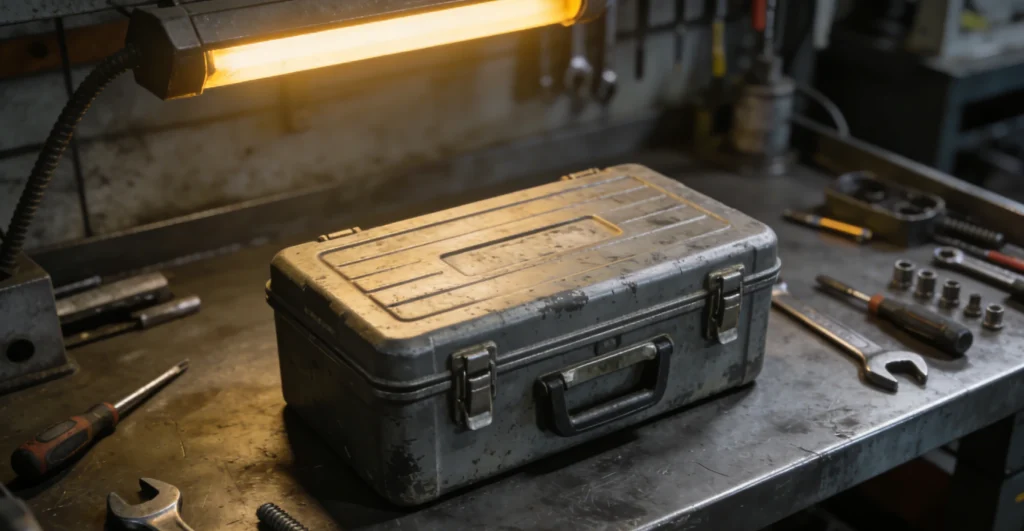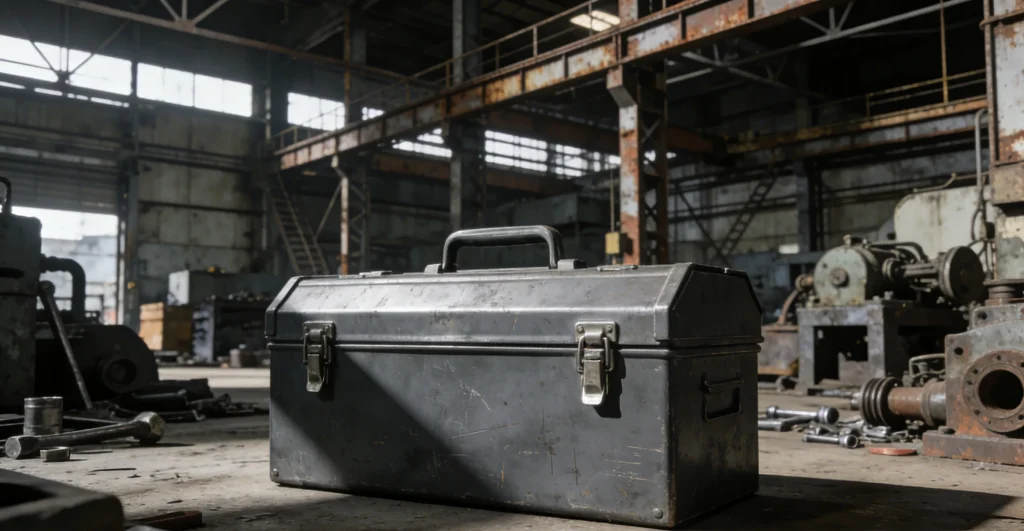
Whether a mechanical tool box needs foam inserts depends on the type of tools, working environment, transportation frequency, and storage requirements. For a mechanical tool box used in an ordinary household, if it mainly stores common tools such as screwdrivers, adjustable wrenches, pliers, and hammers, and the tool box is kept in a workshop or storage cabinet for a long time, foam inserts are not necessarily required. However, if the tool box is used for precision mechanical repair, automotive repair, equipment installation, or frequent transportation, adding foam inserts is usually more practical. Foam can form a cushioning layer between the tools and the box, reducing the noise caused by tool collisions and also reducing scratches and dents caused by metal tools directly hitting the box.
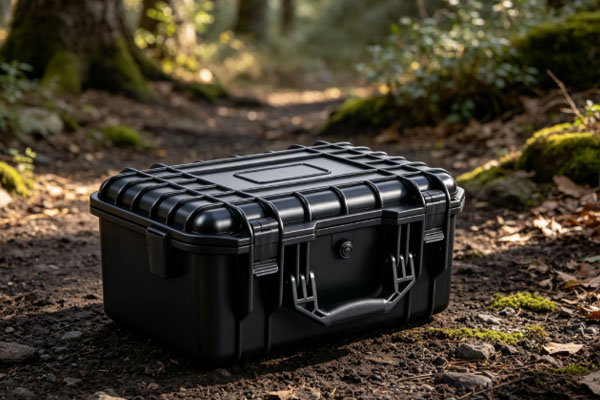
Mechanical tools themselves are usually relatively heavy. When wrenches, sockets, hex tools, hammers, and other tools are placed inside the box, they may move continuously and collide with each other when the vehicle encounters bumps during transportation. Over time, this may not only cause wear on the surface of the tools but may also create scratches inside the tool box. If the tool box stores precision measuring tools, specialized repair tools, or valuable tools with treated surfaces, these collisions deserve even more attention. Foam inserts can be designed with different grooves according to the shapes of the tools, giving each tool a relatively fixed position and making tools easier to identify and access.
Under What Circumstances Are Foam Inserts Recommended?
Precision Tools Require More Protection
During mechanical maintenance, some tools have relatively high requirements for accuracy and surface condition. For example, precision torque tools, measuring tools, specialized fixtures, and some finely machined components may be prone to collisions when stored together with other metal tools for long periods. Foam inserts can add cushioning space between tools, preventing them from coming into direct and extensive contact with the bottom plate of the box. For mechanical tool boxes that are frequently opened, moved, and transported, this protective effect is even more noticeable.
Frequently Moved Tool Boxes Are More Suitable for Installation
If a mechanical tool box is simply placed under a fixed workbench, it experiences relatively little movement or impact, so the need for foam is comparatively low. However, if the tool box needs to accompany maintenance personnel into workshops, warehouses, construction sites, or be transported by vehicle, it will encounter more bumps and vibration. In particular, in mobile environments such as lorries and service vehicles, tools inside the box can be subjected to continuous vibration. Foam inserts can reduce the amount of free movement inside the box and keep the tools in a more stable position.
What Functions Can Foam Inserts Provide for a Mechanical Tool Box?
Properly designed foam inserts can improve storage, protection, and tool access at the same time, reducing collisions, sliding, or mutual compression between tools during transportation and handling. For mechanical tools such as wrenches, sockets, and screwdrivers that come in many different specifications, foam can also use individual grooves for classification, giving each tool a fixed position and making it easier to quickly check whether any tool is missing after use. At the same time, foam can reduce scratches and noise caused by direct contact between metal tools and the box, making the inside of the tool box more stable, organized, and easier to manage.
Reduce Collisions Between Tools
Most mechanical tools are made of metal and have relatively high hardness. If different tools are placed directly on top of one another, they can easily collide during transportation. Minor collisions may only leave scratches, while long-term impacts may affect the surface condition of the tools. As a flexible cushioning material, foam can reduce the impact caused by direct collisions between tools.
Keep Tools in Fixed Positions
Foam inserts can be machined with corresponding grooves according to the shape of each tool. For example, one wrench can have one dedicated slot, a set of sockets can be arranged in sequence according to their sizes, and screwdrivers can also have individual positions. During actual use, tools can simply be returned according to the shape of the grooves, making it easy to quickly identify whether a tool is missing. This is particularly practical for maintenance personnel because they can quickly check their tools after completing a job without having to search through the entire tool box.
Considerations When Purchasing or Customizing Foam Inserts:
Tool Weight: Heavy-duty wrenches, sockets, and hammers require foam with sufficient supporting capacity to prevent the grooves from deforming after long-term use.
Tool Shape: Different tools have different dimensions and profiles. It is better to machine grooves according to the actual tools rather than simply using foam with a standard specification.
Transportation Environment: If the tool box needs to be transported by vehicle, the cushioning and fixing capabilities of the foam should be improved to reduce tool movement inside the box.
Frequency of Use: When tools are frequently removed and returned every day, the groove dimensions should match the tools properly to avoid making removal and placement difficult because the grooves are too tight.
Does a Mechanical Tool Box Always Need Custom Foam Inserts?
Not necessarily. Foam inserts can be purchased as universal inserts or customized according to the actual shape of the tools. The specific choice should be based on the type, quantity, dimensions, and frequency of use of the tools. Universal foam is relatively inexpensive and is suitable when tool specifications are common and tools may frequently be replaced or rearranged in the future. Custom foam can be grooved according to the profile of each individual tool, providing more organized storage as well as better fixing and protection. The two options differ in purchase cost, processing time, flexibility, and long-term maintenance.
Universal Foam Is Suitable for General Storage
If there are not many tools and their dimensions are relatively standard, universal foam can be purchased and then cut or simply adjusted. This approach is relatively low-cost and also makes it easier to replace tools later. For example, ordinary household repair tools and basic installation tools do not require highly precise positioning. Adding a layer of cushioning material can reduce direct contact between the tools and the bottom of the box.
Custom Foam Is Suitable for Professional Tools
If the mechanical tool box needs to store a complete set of tools with fixed specifications, custom foam is more suitable. Grooves can be made according to the length, width, thickness, and profile of each tool, giving every tool its corresponding position. Custom foam is particularly suitable for repair tool sets, automotive-specific tools, equipment maintenance tools, and precision tools. Although tool dimensions or physical samples need to be provided in advance, the finished result can provide a more organized storage solution.
Frequently Asked Questions
Q: Will a mechanical tool box be affected if it does not have foam?
A: Not necessarily. Ordinary tools can generally be used normally when properly stored in a sturdy tool box. Foam is mainly used to add cushioning, reduce collisions, and improve tool positioning. It is not an essential structural component of a mechanical tool box.
Q: Is foam suitable for heavy-duty mechanical tools?
A: Yes, but foam with suitable density, thickness, and supporting capacity needs to be selected. For heavier tools, softness should not be the only consideration, because the foam may become compressed and deformed after bearing weight for a long time.
Q: Will foam inserts take up space inside the tool box?
A: They will occupy a small amount of internal space, but the impact is usually limited when properly designed. For a customized tool box, the thickness of the foam can be calculated in advance when designing the box dimensions to avoid insufficient internal space.
Q: Is foam easy to clean when it becomes dirty?
A: This depends on the foam material. Mechanical maintenance environments can easily produce oil stains, metal dust, and ordinary dust, so choosing a material with a relatively easy-to-clean surface is more convenient. For tool boxes that are exposed to oil contamination for long periods, the condition of the foam should also be checked regularly.
A mechanical tool box does not necessarily need foam inserts, but foam provides considerable practical value in applications where tools need to be protected, collisions need to be reduced, and storage efficiency needs to be improved. For ordinary tools and repair supplies that remain in a fixed location, the need for cushioning is relatively low, so whether to add foam can be determined according to the budget. If tools are frequently transported by vehicle, or if the box stores precision mechanical tools, specialized repair tools, or high-value tools, foam inserts are more suitable. When selecting foam, it is also important not to focus only on price and thickness. Heavy-duty tools require sufficient supporting capacity, precision tools require good cushioning performance, and frequently accessed tools require appropriately sized slots. If the tool specifications are relatively fixed, custom foam can be selected so that each tool has an individual position. If the types of tools change frequently, universal foam can be considered for easier adjustment later.