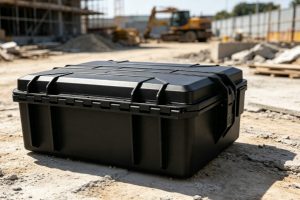
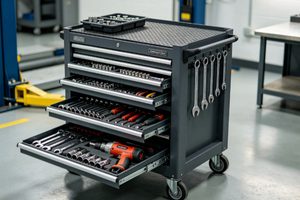
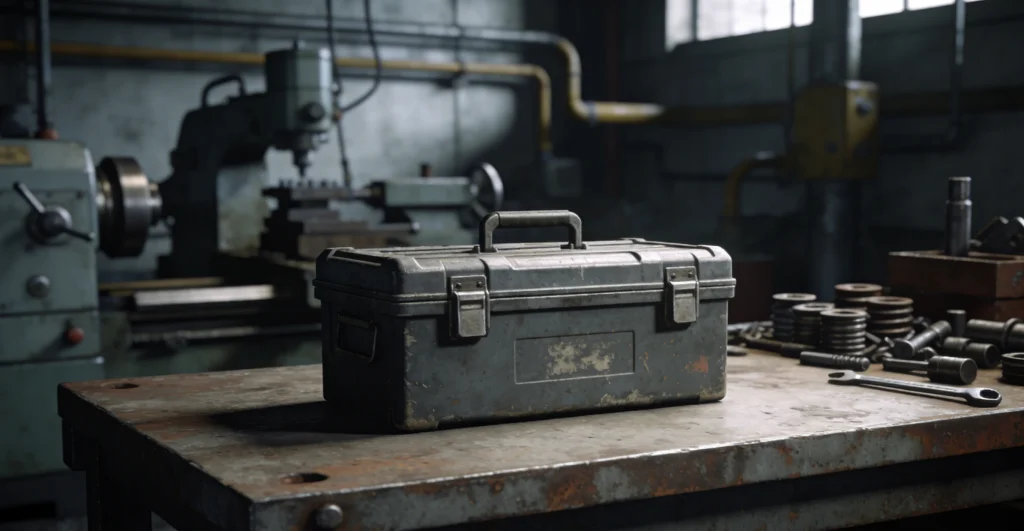
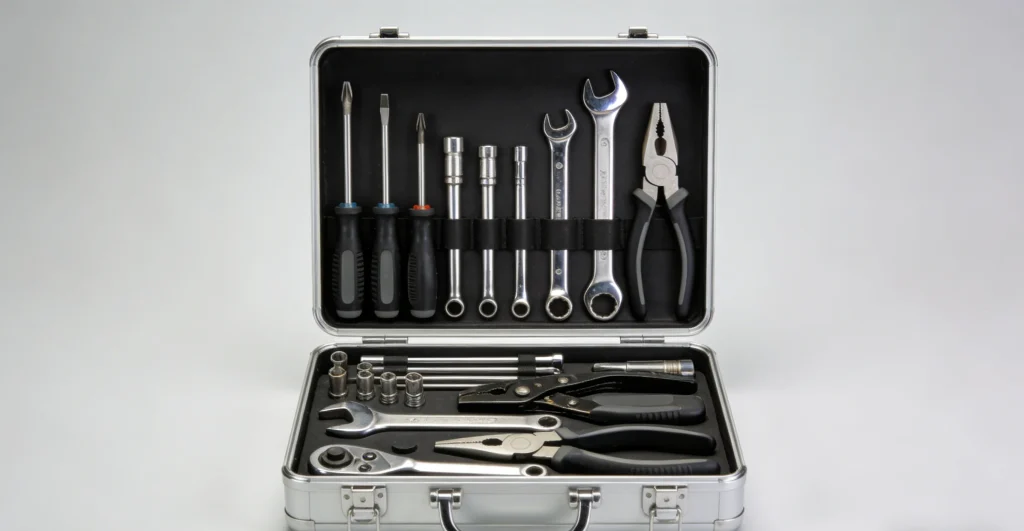
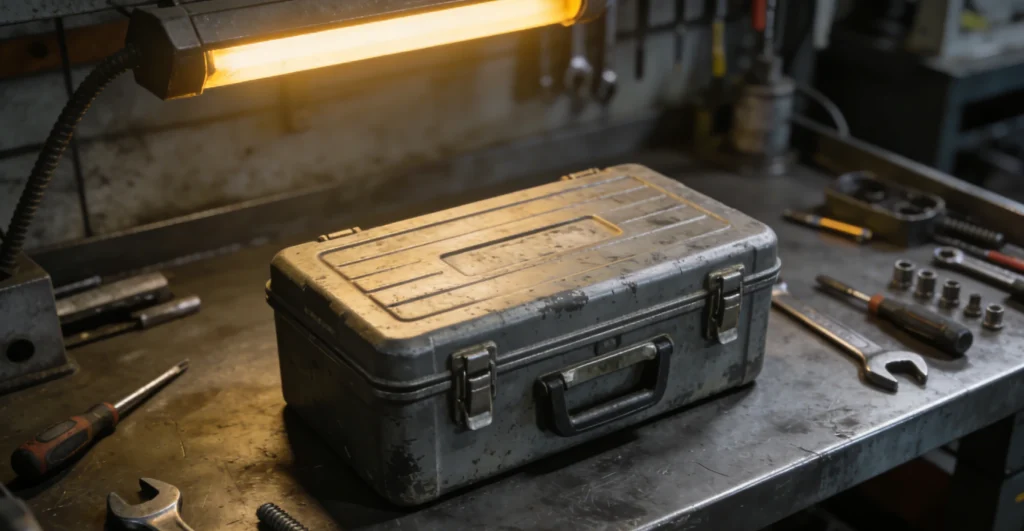
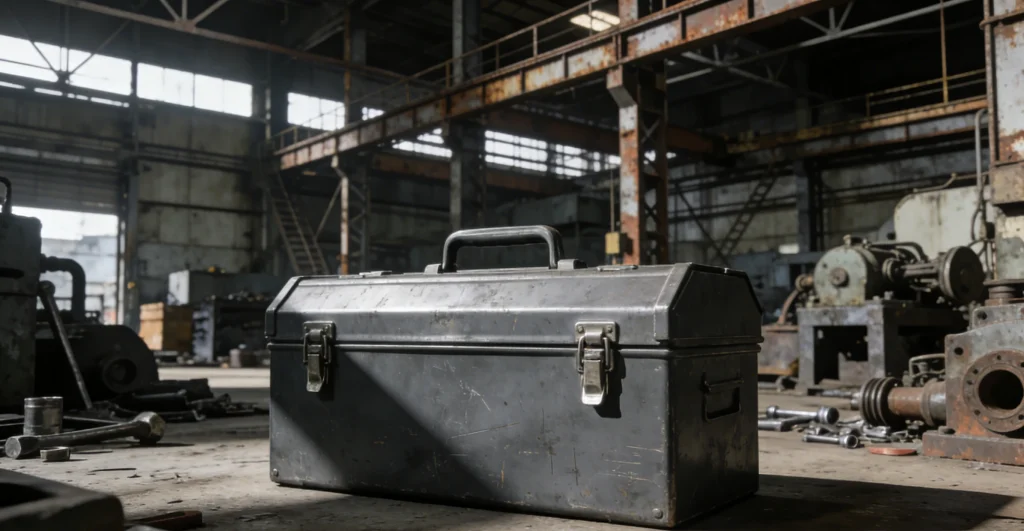
Lorry tool boxes are mainly installed behind the cab, on the side of the chassis, at the bottom of the cargo body, or in other convenient-to-access locations on the vehicle. They are used to store wrenches, sockets, jacks, screwdrivers, towing tools, repair accessories, and other items. Compared with ordinary household tool boxes, lorry tool boxes need to withstand vibration, bumps, and impacts generated during vehicle operation for long periods, while also supporting the weight of the tools inside. Many lorry tool boxes are made of aluminum alloy, which is lightweight, corrosion-resistant, and easy to install, making it suitable for long-term vehicle use. However, even aluminum alloy tool boxes can have different load-bearing performance depending on the product. In addition to the box itself, mounting brackets and fixing bolts also directly affect the actual load-bearing performance. If the bracket strength is insufficient, the box may still shake after installation even if the box itself has good load-bearing capacity. Therefore, when evaluating the load-bearing capacity of a lorry tool box, the product structure and actual operating conditions need to be considered together.
Box Material and Thickness Determine Basic Load-Bearing Capacity
The Impact of Aluminum Alloy Panels
Aluminum alloy provides a good balance between strength and weight, so it is widely used in lorry tool boxes. The more suitable the aluminum alloy panel specifications used in the box, the less likely the bottom plate, side panels, and frame are to show obvious deformation when carrying tool weight. However, a thicker panel is not necessarily better. Increasing the thickness also increases the weight of the tool box itself, so the choice should also consider the installation position and vehicle load capacity. The bottom plate of a lorry tool box is an important area for supporting the weight of internal tools. If heavy items such as jacks, sockets, and towing tools are stored inside for long periods, the bottom will be continuously subjected to pressure. When the panel thickness is insufficient, slight sagging may occur. After long-term loading, it may also affect door closing and the overall shape of the box. Therefore, when purchasing a tool box, in addition to checking its appearance, the box material and panel specifications should also be understood.
Steel Tool Boxes Provide Strong Structural Support
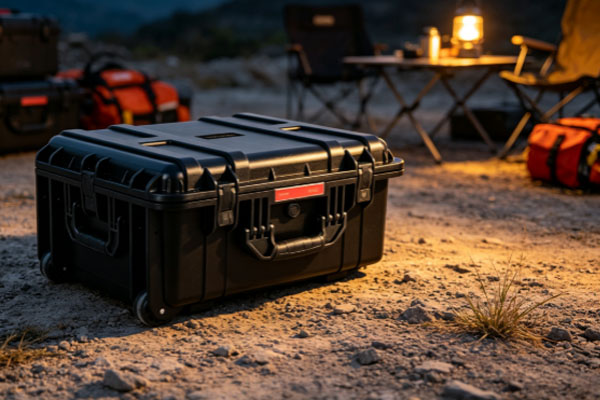
Some lorry tool boxes are made of steel. Steel itself has good structural strength and is suitable for carrying heavier tools and equipment, but steel boxes are usually heavier than aluminum alloy products. At the same time, steel boxes need proper surface protection to prevent corrosion caused by long-term exposure to rainwater, mud, and sand. Whether aluminum alloy or steel is used, the actual load-bearing capacity cannot be judged only by the material name. Panel thickness, manufacturing method, frame structure, and bottom reinforcement design are also important.
Which Structures Affect the Load-Bearing Capacity of a Lorry Tool Box?
The load-bearing capacity of a lorry tool box does not come only from the box material. The bottom plate, frame, reinforcing ribs, and box connection points all contribute to load distribution. A reasonable structural design can allow the internal weight to be transferred more evenly to the box and mounting brackets, reducing long-term pressure on localized areas.
Bottom Plate Structure: The bottom plate directly supports the weight of the tools and is an important area to inspect when evaluating load-bearing capacity. If a large bottom plate does not have suitable reinforcement, it is more likely to deform after carrying heavy tools for long periods.
Reinforcing Rib Design: Adding reinforcing structures to the bottom or sides can improve box rigidity and reduce bending of the panels under concentrated loads.
Frame Structure: The edges of the box provide connection and support. If the frame strength is insufficient, the fit between the door and box may also be affected.
Connection Structure: Hinges, bolts, mounting brackets, and other connection points need to remain secure. After the box carries heavy items, the weight is ultimately transferred to the vehicle through these connection structures, so the mounting points cannot be overlooked.
Installation Method Also Affects the Actual Load-Bearing Capacity of the Tool Box
After a lorry tool box is installed, the components actually supporting the weight include not only the box itself but also the brackets, bolts, and vehicle mounting positions. Even if the tool box has good structural strength, an uneven mounting surface, mismatched bracket dimensions, or insufficient fastener strength may reduce its actual performance.
How Should the Brackets Be Installed?
After heavy tools are placed inside the tool box, the overall weight of the box increases significantly. The mounting brackets need to provide stable support and transfer the weight properly to the chassis or other fixed positions. If the brackets are too thin, the span is too large, or there are too few mounting points, vibration generated while the vehicle is moving may gradually deform the brackets.
Fixing Bolts
Bolts are important connection components between the tool box and the vehicle. During long-term operation, continuous vibration may cause fasteners to loosen. If heavy items are stored inside the tool box for long periods, the pressure on the connection points will increase further. Therefore, after installation, the bolt tightness should be checked, followed by regular inspections based on vehicle usage.
Installation Position
If the tool box mounting surface has obvious inclination or localized stress, the weight of the box may become concentrated on a small number of mounting points. Proper installation can distribute the load more evenly while reducing shaking, abnormal noises, and localized deformation during vehicle operation.
Frequently Asked Questions
Q: Is a higher load-bearing capacity always better for a lorry tool box?
A: Not necessarily. The tool box should be selected according to the actual items being stored. If it is mainly used for screwdrivers, wrenches, and small accessories, a standard load-bearing structure can meet the requirements. If it needs to store jacks, heavy-duty sockets, and towing tools for long periods, a product with stronger bottom plates, frames, and mounting brackets should be selected.
Q: Can an aluminum alloy lorry tool box hold heavy tools?
A: Yes, but the aluminum alloy panel thickness, bottom structure, reinforcement design, and rated load-bearing capacity of the product need to be considered together. It cannot be assumed that every specification is suitable for carrying heavy tools for long periods simply because the tool box is made of aluminum alloy.
Q: What causes slight sagging at the bottom of a tool box?
A: Common causes include long-term overloading, insufficient bottom plate thickness, concentrated placement of heavy tools, and insufficient bottom reinforcement. If the sagging is minor and does not affect the door or mounting structure, the loading weight can be checked. If the deformation continues to increase, additional loading should be stopped and the box structure should be inspected.
Q: Is the load-bearing capacity of a tool box related to its size?
A: Yes. The larger the box, the more tools it can store, but the load-bearing area of the bottom plate also increases. If a large tool box does not have corresponding reinforcement, the bottom may experience greater pressure when fully loaded. Therefore, large-capacity tool boxes need to be evaluated together with their panel and internal support structures.
The load-bearing capacity of a lorry tool box is determined by the material, panel thickness, bottom structure, reinforcing ribs, frame, mounting brackets, and fasteners. The box material determines the basic strength, panel thickness affects deformation resistance, the bottom plate and reinforcing ribs improve load distribution, while mounting brackets and bolts provide the connection between the box and the vehicle. Any significant weakness in one of these areas may affect the stability of the tool box during actual use. When choosing a lorry tool box, it should not be evaluated only by whether it has a “large capacity” or a “thick box.” The appropriate specification needs to be selected according to the weight of the stored tools, vehicle operating environment, and installation position.
For aluminum alloy tool boxes, the specific alloy material, panel specifications, and structural design should also be understood rather than looking only at the material name of aluminum alloy. During use, the loading weight should also be controlled, and all heavy tools should not be concentrated in one area of the bottom plate. Regularly checking whether the bottom plate is deformed, whether the brackets are loose, whether the bolts are secure, and whether the door closes properly can help identify problems with the load-bearing structure in a timely manner. Selecting the right specification, installing it correctly, distributing tools evenly, and conducting regular inspections can help a lorry tool box maintain good load-bearing stability during long-term use while reducing box deformation and damage to the mounting structure.