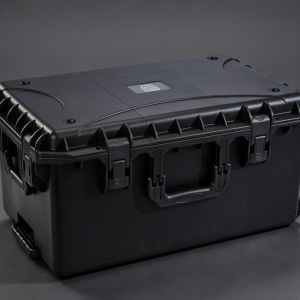
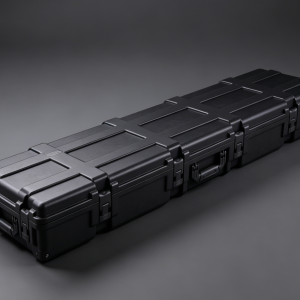
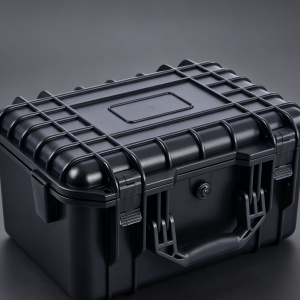
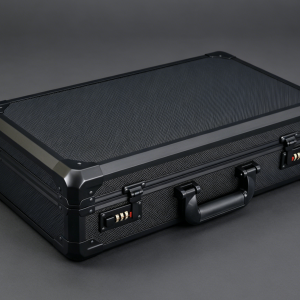
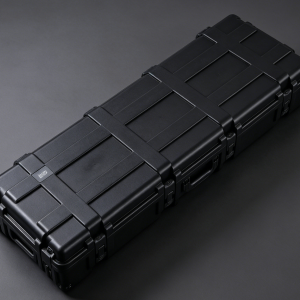
A tool box may look similar when you first buy it, but the difference becomes clear after months of daily use. Automotive repair technicians deal with oil and grease, construction workers need equipment that can handle frequent movement and impact, while outdoor maintenance teams have to deal with rain and moisture. Stainless steel tool boxes are widely used in industrial maintenance, automotive repair, construction, marine maintenance, and outdoor work because they offer durability, corrosion resistance, and easy cleaning. If you are looking for a durable stainless steel tool box, understanding the working environment it will be used in is often more useful than simply comparing prices.
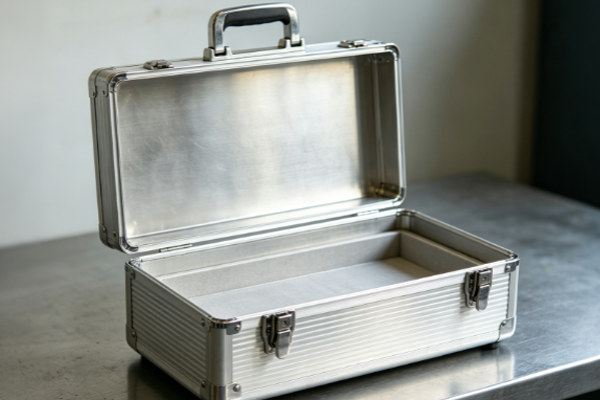
What Industries Use Stainless Steel Tool Boxes?
Stainless steel tool boxes are commonly used in workplaces where tools are used frequently and working conditions can be demanding. Maintenance workers need to access and organize their tools every day, while the tool box itself may face frequent transportation, impact, and cleaning. This makes both the material and the overall structure important.
- Industrial equipment maintenance: Machinery, production lines, and electrical equipment require regular maintenance. Wrenches, screwdrivers, pliers, sockets, and other tools can be stored together for easy transportation.
- Automotive repair and maintenance: Automotive workshops often deal with engine oil, lubricants, and metal debris. A tool box needs to be durable and easy to wipe clean.
- Construction and engineering: Tools are frequently moved around construction sites, where tool boxes may experience impacts and friction. A strong metal tool box is suitable for demanding daily use.
- Marine maintenance: Marine working environments often involve high humidity and salt spray. Stainless steel tool boxes can be a practical choice for these conditions.
- Outdoor equipment maintenance: Technicians working on power equipment, communication systems, or construction machinery often need to carry complete tool sets to job sites. A stainless steel box is suitable for frequent transportation and use.
For these users, the appearance of a tool box is rarely the only concern. They want to know how many tools it can hold, whether it can resist corrosion, whether it is easy to carry, and whether the latches can withstand frequent use. These practical details have a direct impact on long-term usability.
Are Stainless Steel Tool Boxes Suitable for Wet and Outdoor Environments?
Moisture is a common concern for many tool boxes, particularly in outdoor maintenance, marine repair, automotive service, and some industrial workplaces. Ordinary metal boxes may develop rust after prolonged exposure to moisture, making cleaning and maintenance more difficult. Stainless steel tool boxes offer good corrosion resistance and are relatively easy to clean when exposed to water, oil, or dust, making them suitable for outdoor tool storage and industrial maintenance. However, choosing a stainless steel tool box should involve more than simply checking the material name. The stainless steel grade, sheet thickness, welding quality, and surface finish can all affect actual performance. For areas with high humidity, salt spray, or frequent chemical exposure, the material should be selected according to the specific working conditions.
What Should You Look for in an Automotive Repair Tool Box?
Automotive repair professionals often use their tool boxes many times throughout the day. They may open the box repeatedly and move it from one vehicle to another. A tool box may look attractive at first, but poor organization, weak latches, or difficult transportation can quickly become frustrating. When choosing a stainless steel tool box for automotive repair, pay attention to these details:
- Check the internal space: Sockets, wrenches, power tools, and small components come in different sizes. Separate storage areas can help prevent tools from becoming mixed together.
- Look at trays and compartments: Tool trays, drawers, and compartments make frequently used tools easier to access during repairs.
- Check the latches and hinges: These parts are used frequently and need to withstand repeated opening and closing.
- Consider handles and wheels: Convenient handles or wheels can make a noticeable difference when the tool box needs to be moved around a workshop.
An automotive repair tool box does not need to have an overly complicated design. What matters most is whether tools are easy to find, easy to organize, and easy to move. For technicians who work on vehicles every day, efficient tool storage can be more useful than simply choosing a larger box.
How to Choose the Right Stainless Steel Tool Box?
Once you know where the tool box will be used, choosing the right product becomes much easier. Industrial maintenance and automotive repair usually require more storage space, while outdoor technicians may place greater importance on portability and durability. For a tool box that stays in a garage or workshop, storage capacity and internal organization may matter more than mobility. Before making a purchase, consider these key points:
- Check the tool box size: Count the tools you normally use and consider their dimensions before selecting the capacity. A box that is too small can quickly become overcrowded.
- Check the box construction: Look at whether the body is resistant to deformation, whether the corners are reinforced, and whether the lid opens and closes smoothly.
- Check the internal organization: Trays, dividers, drawers, and adjustable compartments can keep different tools organized and easier to find.
- Check the hardware: Latches, hinges, and handles are frequently used components, so their quality should not be overlooked.
- Consider the working environment: Indoor maintenance, outdoor construction, humid locations, and vehicle-based work all have different requirements.
For professional users, a tool box is more than a container for storing equipment. It is part of the daily working setup. The right size, convenient access, durable construction, and practical organization can make everyday maintenance work much easier.
Stainless steel tool boxes can be used in industrial equipment maintenance, automotive repair, construction, marine maintenance, and outdoor equipment servicing. When choosing one, consider the working environment, number of tools, frequency of use, and transportation requirements rather than focusing only on the material. For users who need durable, corrosion-resistant, and easy-to-clean tool storage, a well-designed stainless steel tool box can keep tools organized and reduce many of the small inconveniences that come with daily maintenance work.